Last Updated: October 10, 2026
Last Updated: October 10, 2026





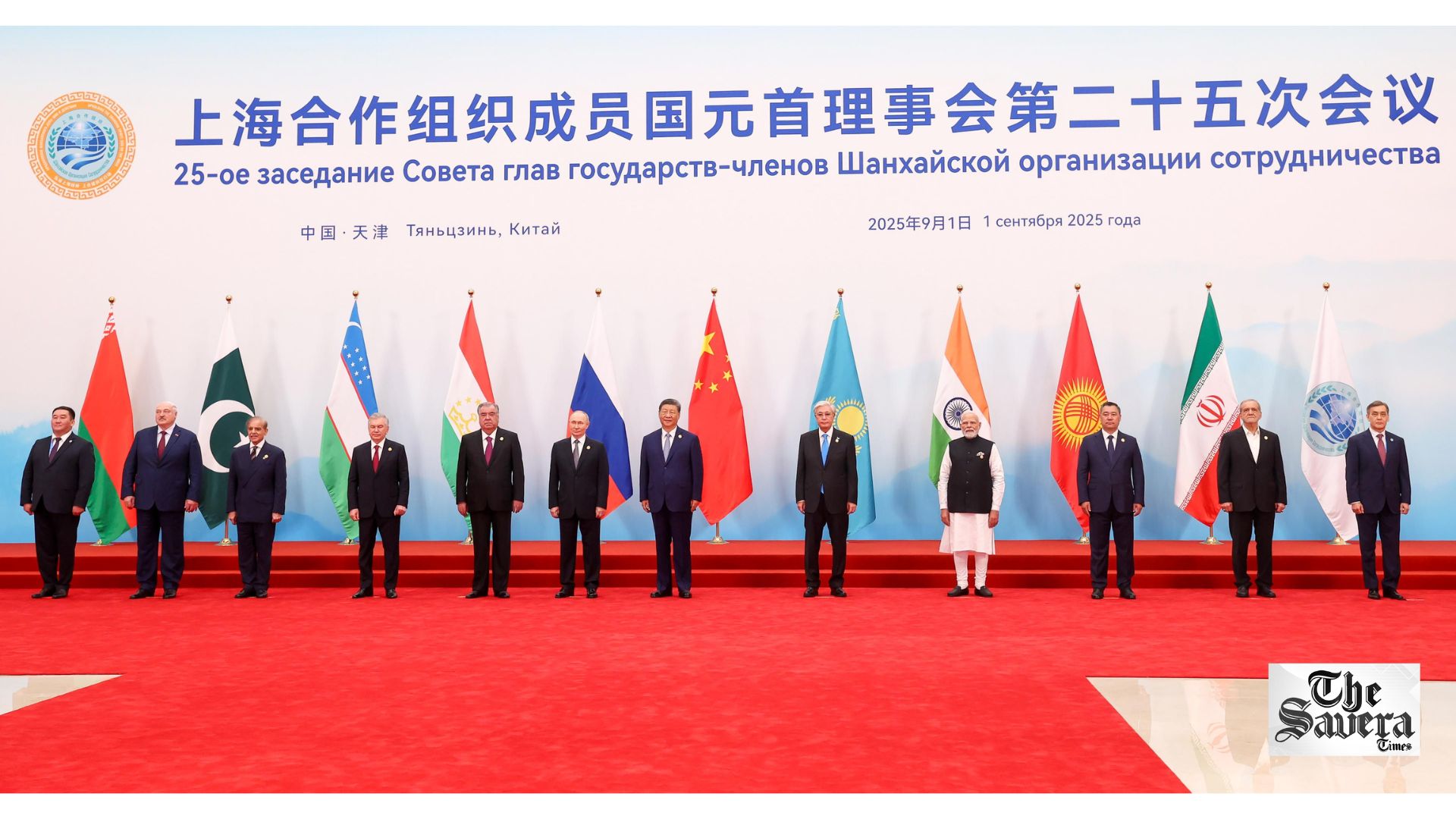
India today increasingly engages with the world with confidence, not insecurity. India does not need to decide between its heritage and modernity, or choose between economic development and strategic autonomy, or pick between global partnerships and independent decision-making. India’s rise is one of the most important developments in the 21st century. India’s story of rise is remarkable as it is driven by demographic strength, democracy, strategic geography, technological capability, cultural influence and an increasingly confident foreign policy. India has been growing economically and strategically without leaving its own identity. India registered a growth rate of 7.8 per cent in the April-June 2026 quarter. This performance comes at a time when there is geopolitical uncertainty and several major economies were witnessing slower growth. India’s economic growth showcases the creation of an ecosystem in which digital technology, infrastructure, entrepreneurship, domestic consumption and innovation are reinforcing one another. The digital revolution is one of the most important aspects of India’s transformation, as technology has been used to increase people’s access to payments, financial services, and public services. India’s greatest diplomatic strength today is its policy of maintaining ties with competing centres of global power simultaneously instead of choosing sides. India maintains ties with the US and other Indo-Pacific partners while continuing its historical ties with Russia. India has also established itself as the voice for the Global South by advocating for development, technology access, climate justice, food and energy security and greater representation in global institutions, according to an opinion piece in Global Kashmir. I believe India’s most important transformation is psychological. The India of today increasingly approaches the world not with insecurity, but with confidence. It does not have to choose between its heritage and modernity. It does not have to choose between economic development and strategic autonomy. It does not have to choose between global partnerships and independent decision-making. India can engage with the world on its own terms. That confidence is important because nations become influential not only when others recognise their strength, but when they themselves begin to believe in their capacity to shape events.
Jaipur: The Anti-Narcotics Task Force (ANTF) of Rajasthan Police has arrested wanted drug smuggler Sohanlal, alias Sonu, carrying...

Imagine a foreign national standing among Indian citizens at a political protest, raising questions about the government or...

Aizawl: The Assam Rifles, in coordination with other law enforcement agencies, seized methamphetamine tablets and foreign-made cigarettes worth...

Kolkata: A Returning Officer (RO), acting on behalf of the Election Commission of India (ECI), has lodged a...
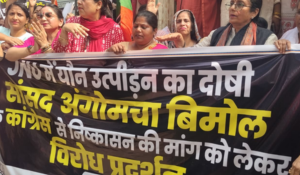
New Delhi: The Delhi BJP Mahila Morcha staged a protest on Saturday to demand the expulsion from Congress...
Sanaa: Saudi warplanes launched fresh airstrikes on Houthi-held areas in northwestern Yemen on Saturday as fighting intensified between...