Last Updated: October 12, 2026
Last Updated: October 12, 2026





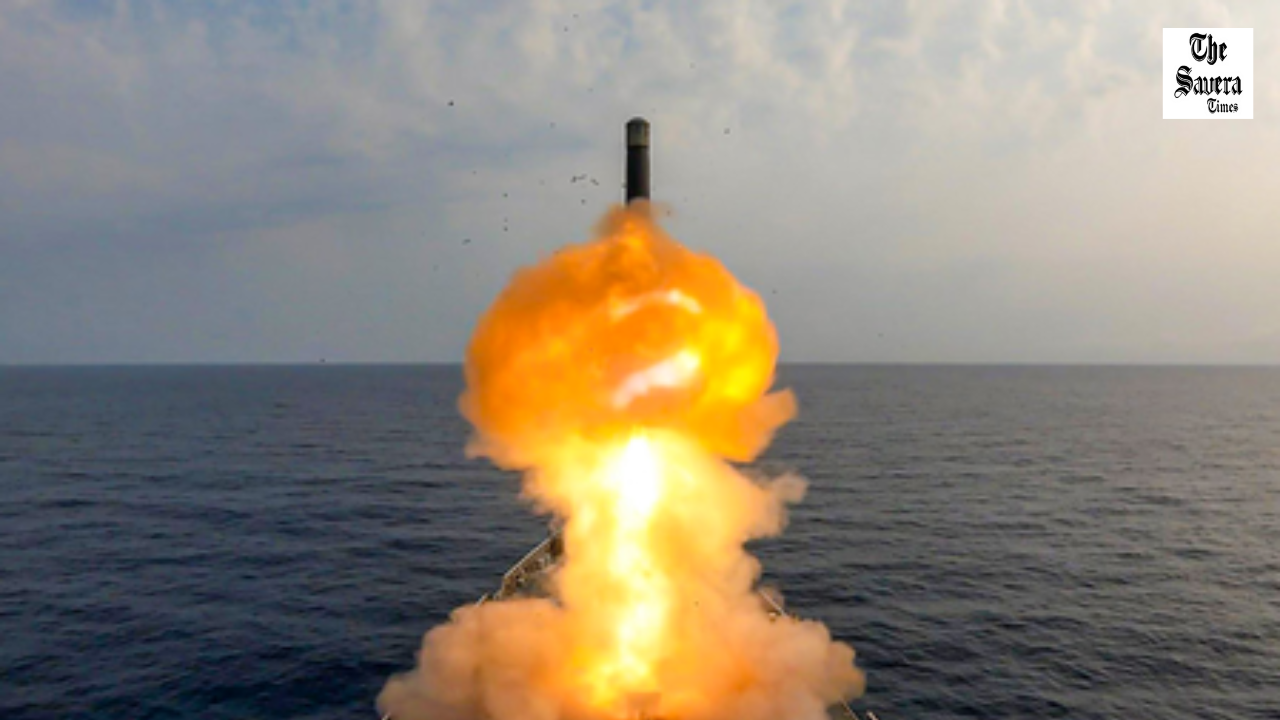
India’s military successfully ensured that none of the approximately 1,000 missiles and drones reportedly launched by Pakistan during Operation Sindoor in May 2025 struck any Indian city or civilian area, Prime Minister Narendra Modi told Parliament last year. The claim underscores the strength and effectiveness of India’s air defence and counter-air systems during one of the most intense military escalations with Pakistan in recent times.
Operation Sindoor was India’s calibrated military response to the April 22 terror attack in Pahalgam, Jammu & Kashmir, which resulted in the deaths of 26 civilians. Between May 7 and May 10, 2025, Indian forces carried out precision air strikes on nine terrorist launch sites and related infrastructure in Pakistan and Pakistan-occupied Kashmir (PoK). These strikes predominantly targeted militant camps linked to Jaish-e-Mohammed (JeM), Lashkar-e-Taiba (LeT) and Hizbul Mujahideen.
According to the Prime Minister’s account, Pakistan mounted a large-scale counterattack on May 9, 2025, deploying roughly 1,000 drones and missiles aiming at Indian territory. Had even some reached their intended targets, they could have caused significant damage to cities or infrastructure.
The prevention of strikes on Indian cities was attributed to India’s multi-layered air defence network and integrated counter-UAS systems. These include:
Long-range S-400 air defence systems, capable of detecting and intercepting threats at great distances.
A layered grid of surface-to-air missiles (SAMs) and anti-aircraft defences such as Akash and shorter-range interceptors.
Integrated Counter Unmanned Aerial System (UAS) grids and other high-tech systems designed to detect, track and destroy drones and cruise missiles before they reach critical targets.
These systems operated in an integrated air defence network overseen by India’s Air Command and Control System, ensuring coordination between early-warning radars and interceptor platforms to neutralize the aerial threat long before it could reach densely populated areas.
Despite intercepting the counterattack, India maintained a measured operational posture. Retaliatory strikes were precise and focused on military or terrorist infrastructure, and Indian authorities emphasized avoiding civilian harm. The operation was paused after May 10, 2025, and a ceasefire understanding has remained in place since then.
Analysts highlight that Operation Sindoor demonstrated India’s ability to combine robust air defence, early warning systems and coordinated multi-domain operations, effectively protecting the homeland against a high volume of incoming threats. This capability has become a key aspect of India’s broader defence posture and deterrence strategy in the region.
Gold exchange-traded funds (ETFs) witnessed a sharp rise in investor interest in September, with net inflows surging 71.4...

Rahul Gandhi accused the Modi government of protecting Chief Election Commissioner Gyanesh Kumar, criticised security restrictions in Delhi...

Chief Justice Surya Kant said every citizen can approach the Supreme Court through a petition after declining a...

A major fire broke out at a scrap warehouse opposite the Maruti Temple in Sangameshwar, Maharashtra, around midnight....

A 48-year-old man, Pawan Sharma, died after an alleged altercation over a senior citizen seat at Delhi’s Supreme...

Shiv Sena (UBT), in its mouthpiece Saamana, has criticised the Centre over security measures and detentions during anti-government...

Aries: The day will be auspicious...