Last Updated: October 26, 2026
Last Updated: October 26, 2026






India and Israel’s defence relationship has evolved far beyond routine buyer-seller transactions, growing into a strategic partnership that blends procurement, technology transfer and future co-production of cutting-edge military systems. In recent months, New Delhi has approved one of its largest precision-strike procurement packages valued at around $8.6–8.7 billion from Israel, highlighting how both nations are aligning defence priorities amid regional security challenges.
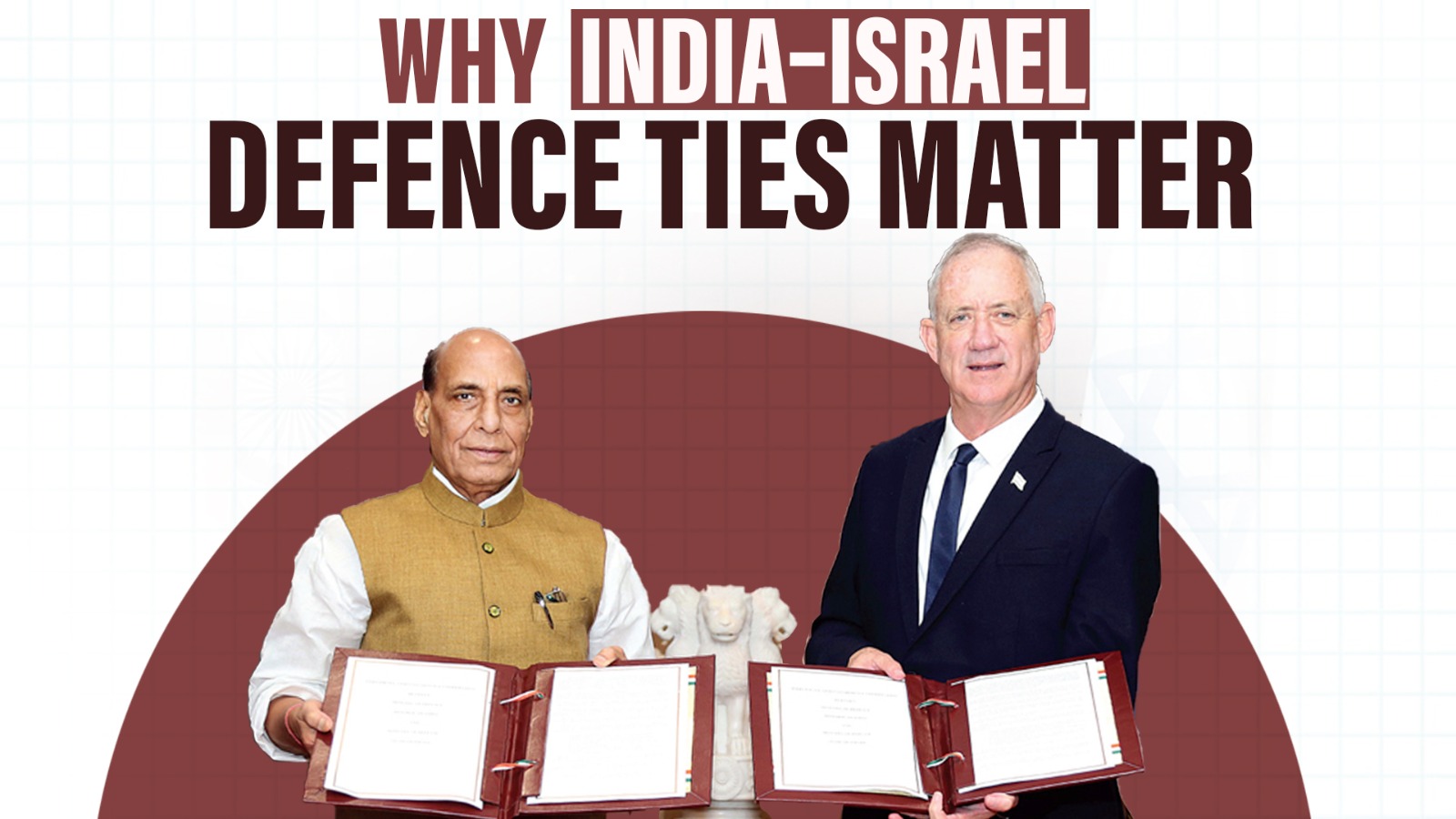
India and Israel first forged defence cooperation in the early 1990s. Over time, Israel has become one of India’s key sources of advanced weaponry, especially precision guided munitions, drones, missile systems and integrated air defence technologies. Israel’s ability to deliver all-weather, high-accuracy systems that enhance India’s air strike and precision targeting capacity has made Jerusalem a strategic defence partner only second to France among foreign suppliers in recent deals.
A recent report estimated that Israel accounted for around 34% of the value of its defence exports going to India from 2020 to 2024, underscoring how important the Indian market has become for Israeli firms.
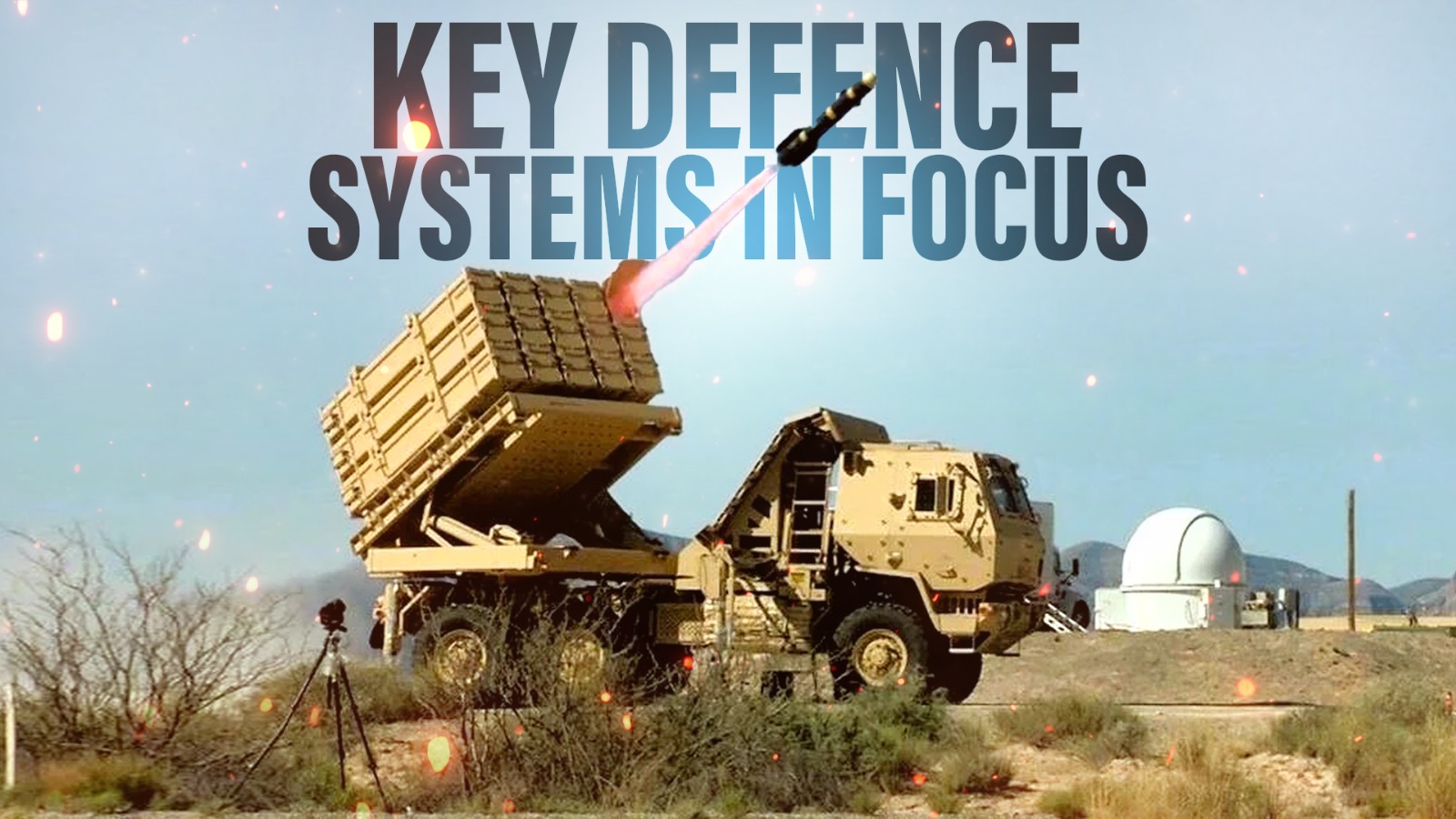
One of the centerpieces of the defence package is the SPICE-1000 family of precision-guided bombs manufactured by Rafael Advanced Defense Systems. These kits convert conventional “dumb” bombs into highly accurate munitions using an electro-optical guidance system that compares the real-time image of the target to onboard data, enabling strike accuracy within a few meters even in GPS-denied environments.
India has already approved procurement of around 1,000 SPICE-1000 munitions, which significantly boost the Indian Air Force’s ability to strike high-value enemy targets at long distances while reducing collateral damage a capability particularly critical in complex regional scenarios.
The Rampage missile, developed by Elbit Systems in partnership with Israeli aerospace firms, is a long-range, air-launched precision strike weapon. Designed to be compatible with fighter platforms such as the Su-30MKI and potentially others, Rampage provides Indian forces the ability to engage deep targets beyond adversary air defence envelopes, enabling standoff strikes that reduce risk to pilots and aircraft.
The Rampage has also gained operational credibility as India seeks to broaden its offensive deterrence, with discussions underway to expand stocks and integrate these missiles with more platforms under the Make in India initiative.
At the cutting edge of this cooperation are Air LORA air-launched ballistic missiles produced by Israel Aerospace Industries (IAI). These missiles boast a range of around 400 kilometres, making them valuable for deep-strike missions within the region. Air LORA is a “fire-and-forget” supersonic weapon designed to penetrate complex air defences and strike high-value strategic targets, offering India a quantum enhancement in its long-range strike capability.
The IAF’s interest in Air LORA reflects its shift toward a more flexible and standoff-capable force posture that can project power beyond immediate borders — a capability that was spotlighted during operational planning and exercises.
Alongside SPICE and Rampage, the deal also includes the Ice Breaker missile system, developed by Rafael, which provides extended range and multi-domain targeting flexibility. This adds another layer to India’s suite of precision weapons that can operate against land and seaborne targets.
Together, these advanced systems greatly enhance India’s standoff strike capabilities, precision targeting technology, and all-weather operational readiness — key factors in regional deterrence and strategic depth.

A notable shift in the India-Israel defence partnership is the move toward joint development, technology transfer, and co-production. Rather than simply buying finished weapons, India is increasingly seeking to manufacture locally and integrate Israeli systems into its indigenous defence industry.
In late 2025, the two countries signed an expanded Memorandum of Understanding (MoU) aimed at strengthening defence, industrial and technological cooperation. This framework covers joint R&D, co-production, training, artificial intelligence applications in defence, cybersecurity, and industrial collaboration.
Such deals help India advance its Aatmanirbhar Bharat goals by bringing high-end technology into domestic production lines, enhancing self-reliance and potentially building export capabilities for Indian defence exports in the future.
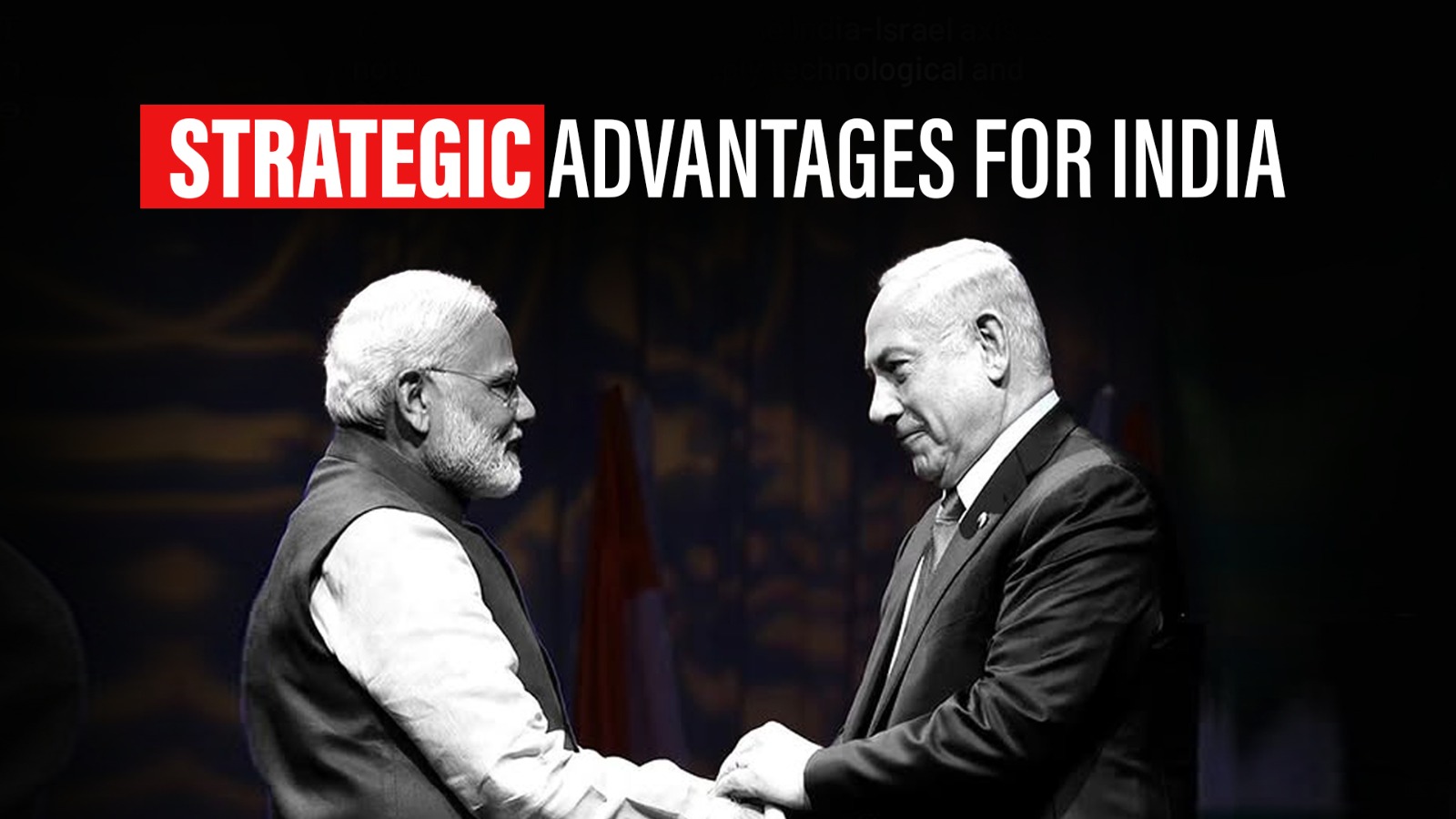
India’s acquisition of these systems is not merely a weapons purchase it is a strategic response to evolving regional security dynamics. With complex threat perceptions along its western and northern borders, New Delhi aims to expand its long-range precision strike, integrated air defence, and deterrence capabilities.
The defence package also complements India’s work on its indigenous Sudarshan Chakra multi-layered air defence architecture and ongoing collaborations with other partners on missiles, interceptors and radar systems.
By integrating Israeli systems such as SPICE, Rampage and Air LORA into a broader operational framework that includes indigenous platforms, India enhances its technology ecosystem while maintaining strategic autonomy. This balanced approach affirms India’s intent to modernise its military without becoming overly dependent on any single supplier.
As India and Israel deepen their defence cooperation, future collaboration is expected to encompass artificial intelligence integration in weapon systems, joint missile defence ventures, anti-drone technologies and advanced sensor networks. Partners are also exploring how to co-develop next-generation air defence solutions, possibly leveraging Iron Dome-style interceptors and AI-enhanced systems tailored to India’s requirements.
While formal contracts may evolve over time, the strategic momentum of the India-Israel defence partnership highlights shared security interests, mutual trust and a long-term vision for defence innovation.
Hereditary Prince Alois of Liechtenstein and his wife Princess Sofia arrived in Gujarat on Monday as part of...
Australia has introduced expanded biometric requirements for visa applications lodged in India from October 26. Applicants may be...

Prime Minister Narendra Modi participated in the 12th BRICS Parliamentary Forum in New Delhi and interacted with foreign...

Hindu Sena has sought an FIR against Mallikarjun Kharge over his remark about PM Modi’s late father at...

A bus travelling from Raipur to Ambikapur crashed into a stationary truck near Darchura village early Monday. Three...

Four people were declared dead at Dhar district hospital after a car caught fire near Sadalpur in Madhya...

Aries: The day will be auspicious...