Last Updated: October 15, 2026
Last Updated: October 15, 2026





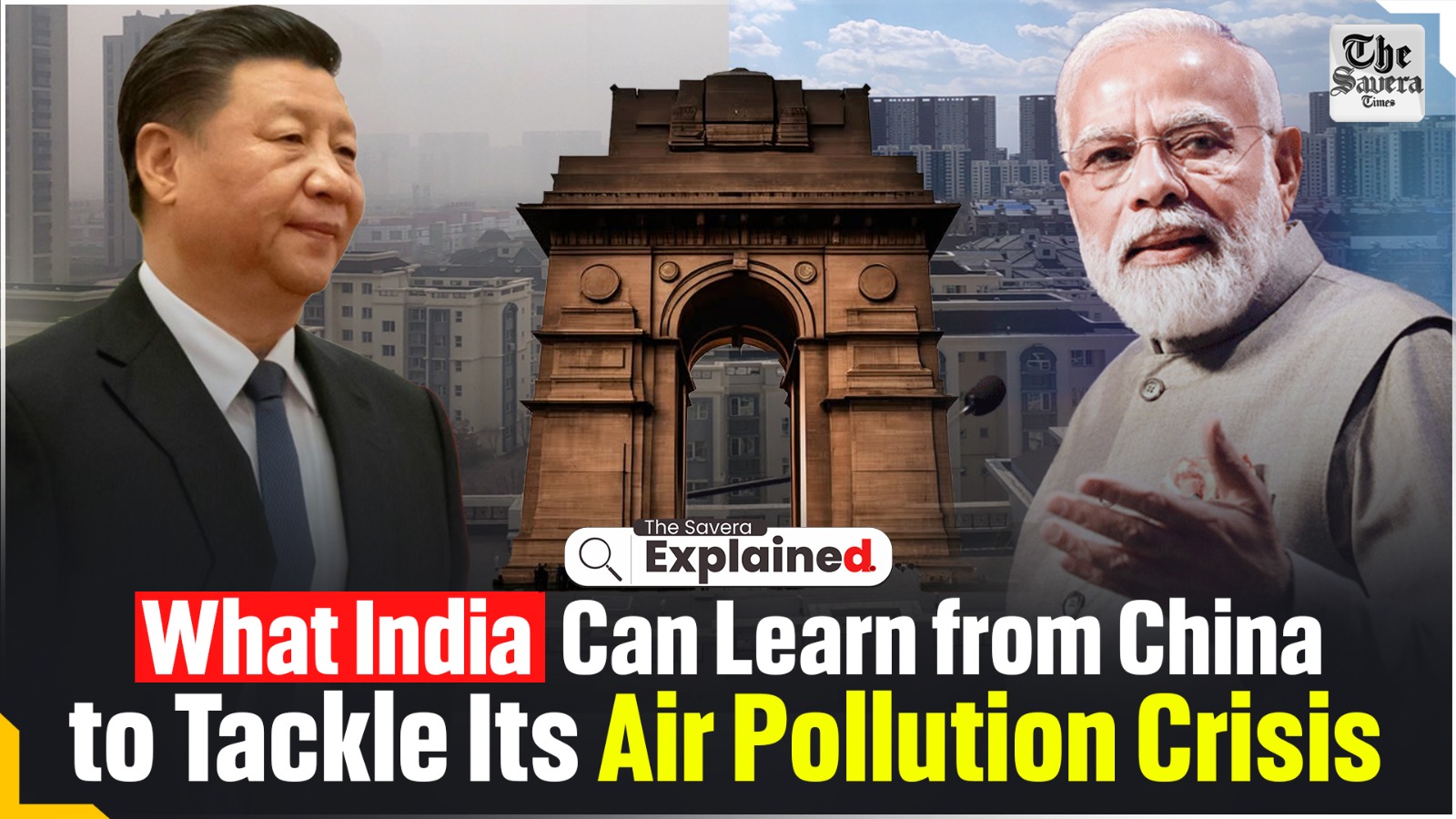
Delhi’s air has turned toxic again. The Air Quality Index crossed 400 this week. Schools asked children to stay indoors. Flights were delayed. Hospitals reported more breathing problems. This has become a routine every winter.
At the same time, Beijing—once known for even worse smog—now has cleaner skies. Most days, its AQI stays below 100. A decade ago, that seemed impossible. The question is: How did China turn things around? And what lessons can India apply?
China’s Pollution Crisis
In 2013, China faced a severe smog emergency. Many cities ran on coal, factories ran nonstop, and traffic clogged the roads. In Beijing, PM2.5 levels touched dangerous highs. People wore masks daily. Studies linked the pollution to more than a million early deaths each year.
The Chinese government called it a “war on pollution” and committed large funds to clean the air.
China’s Actions
China launched strict and clear plans to cut pollution.
Industries and Power Plants
Coal was the main cause of dirty air. China shut down highly polluting steel and cement factories. Others were forced to install clean filters. In many areas, new coal plants were banned. The country pushed for cleaner energy, which reduced coal use.
Vehicles and Transport
Vehicles added a lot of toxic fumes. China limited the number of new petrol and diesel cars. Beijing introduced a lottery system for license plates, making it harder to buy a fuel car. Electric vehicles were promoted heavily. Today, more than half of China’s new cars are electric. Heavy trucks were kept out of city centres, and bike-share services returned to reduce short car trips.
Real-Time Monitoring
China set up thousands of air-monitoring stations. The data was made public so everyone could see which areas were improving and which were not. This transparency pushed local authorities to act quickly whenever pollution spiked.
Visible Results in China
Beijing’s air today is far cleaner than it was ten years ago. PM2.5 levels fell by more than half. Across China, pollution levels dropped significantly as well. The number of good-air days increased, and life expectancy is expected to rise because of cleaner air.
China still faces new challenges, including rising ozone levels and occasional increases in coal use. But the overall improvement remains dramatic.
India’s Situation
Delhi’s air remains among the worst in the world. Last month, the AQI in some parts of the city touched 900. Farm fires, old diesel vehicles, brick kilns, dust, and weak enforcement all contribute to the crisis.
India launched the National Clean Air Programme with a target to cut pollution by 40 percent. However, many cities have used only a small portion of the funds allotted to them. State governments often argue over responsibility, slowing down progress.
While Beijing moved from an AQI above 300 to below 100, Delhi continues to struggle.
What India Can Learn from China
China made officials personally responsible for air-quality targets. India can adopt a similar model where states and city leaders are answerable for results.
Clean Energy Push
China invested heavily in solar, wind, and electric vehicles. India also has huge potential for renewable energy. Faster installation of charging stations and retirement of old vehicles will help.
Better Air Tracking
More monitoring stations, especially in rural and industrial areas, can improve transparency. Real-time data helps governments act quickly—closing kilns, halting construction, or limiting traffic on high-pollution days.
Upgrading Factories
Industries need cleaner technology. The most polluting factories must be shut, while others should be supported to switch to cleaner fuels.
Health First
Pollution is linked to millions of deaths in India. Treating it as a public-health emergency can speed up action.
Expert View
Environmental experts say India needs strong enforcement like China’s—but adapted to a democracy. They stress clear national goals, steady funding for states, and careful tracking of outcomes.
China proved that dirty air can be cleaned within a decade through strict rules, modern technology, and coordinated action. India can follow a similar path. The issue is not just about clearer skies—it is about protecting health and securing a safer future for children.
Pakistan is heading into its wheat-growing season with a serious water problem. The country is facing a projected...
Imagine a foreign national standing among Indian citizens at a political protest, raising questions about the government or...

For thousands of Indian tech workers in the United States, a job offer is only the beginning of...

Three years ago, on October 7, 2023, Israel woke up to one of the deadliest attacks in its...

Imagine being seriously injured inside a flying aircraft, with blood on your clothes, passengers in panic and the...

Imagine the world’s biggest diesel exporter turning off its export taps. That is the concern after US President...
Aries: The day will be auspicious...