Last Updated: September 24, 2026
Last Updated: September 24, 2026





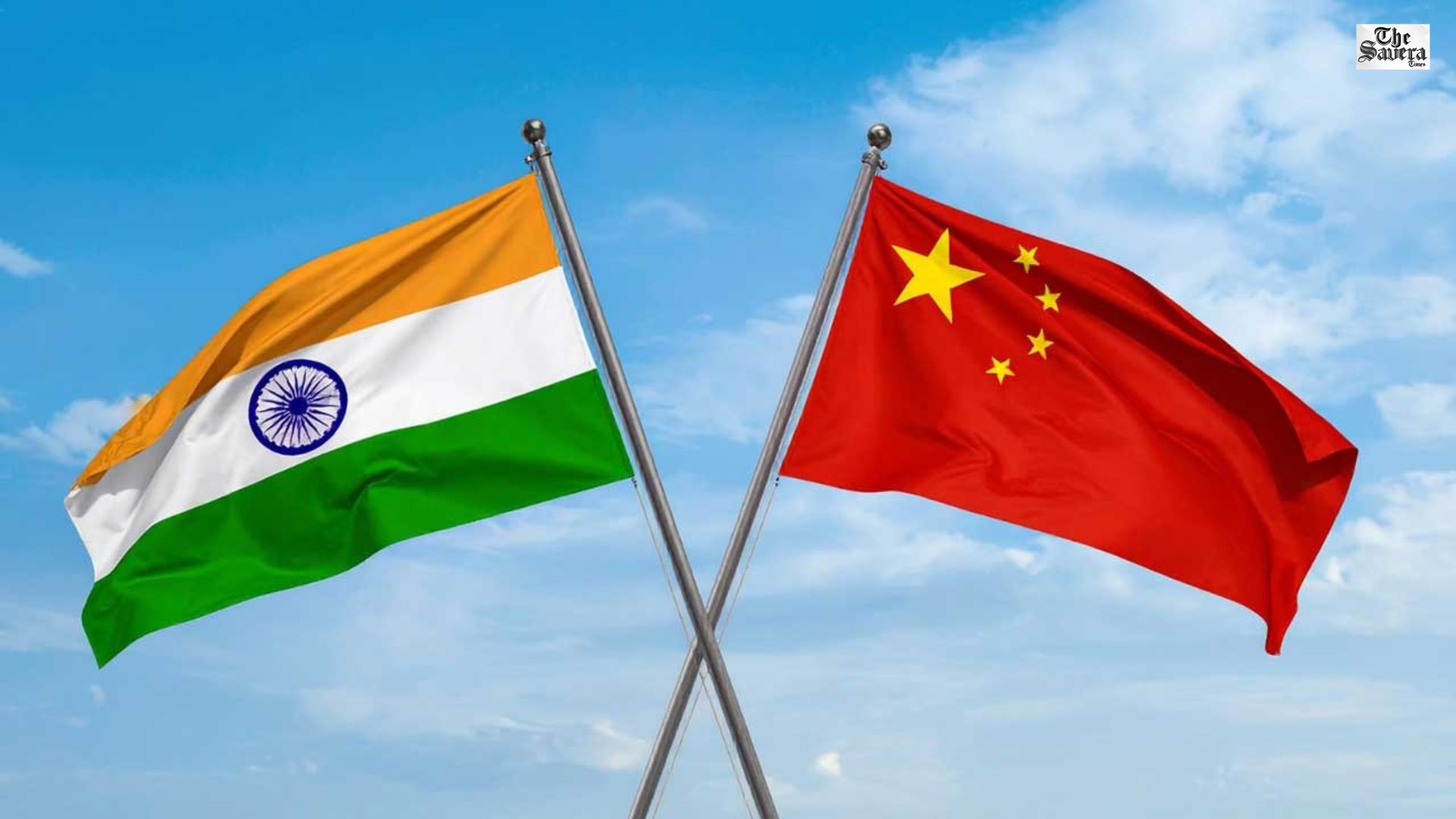
India’s participation enhances the G7’s relevance and legitimacy in an increasingly multipolar world order. This is particularly significant as the grouping’s influence today is largely “political and normative” rather than institutional. For India, engagement offers “prestige, access, networking opportunities, and a chance to influence discussions,” but it does not yield immediate economic gains or structural advantages. While participation in the G7 does not amount to membership, there are compelling reasons for India to remain actively engaged with the forum. The G7 provides India a valuable platform to engage Europe collectively.
Four Western European powers—France, Germany, Italy, and the United Kingdom—along with the EU, participate in the grouping. Historically, India’s foreign policy prioritized its immediate neighborhood, major powers, and the Indo-Pacific. Europe held a secondary place. Over the past decade, New Delhi has invested more systematically in strengthening relations with its European partners. At the 2026 G7 Summit in France’s Evian, India participated as a guest nation for the 13th time, while Prime Minister Narendra Modi made his seventh appearance at the forum since 2019. These repeated invitations highlight a central reality: India is too important to be excluded from major global conversations, even though it remains outside the world’s most exclusive club of advanced industrial democracies. India’s invitation to the 2026 summit was underpinned by the strong India-France partnership and deepening ties between India and Europe. However
Saudi Arabia issued civil defence alerts for Mecca, Jeddah, Yanbu, Tabuk and Taif, warning of potential danger and...

Pakistan carried out fresh airstrikes in Afghanistan's Kandahar, Paktia and Khost provinces, with the Taliban claiming four civilians...
Nepal has begun deporting 88 Chinese nationals over alleged visa violations and is investigating 329 more who entered...

Washington: Two Republican lawmakers urged President Donald Trump to press China for reliable access to its soybean and...
A deep depression formed in the Bay of Bengal hit the coast of North Andhra Pradesh and South...

US President Donald Trump gave Chinese President Xi Jinping a rare airport welcome, as Washington announced a two-month...
Aries: The day will be auspicious...