Last Updated: October 3, 2026
Last Updated: October 3, 2026





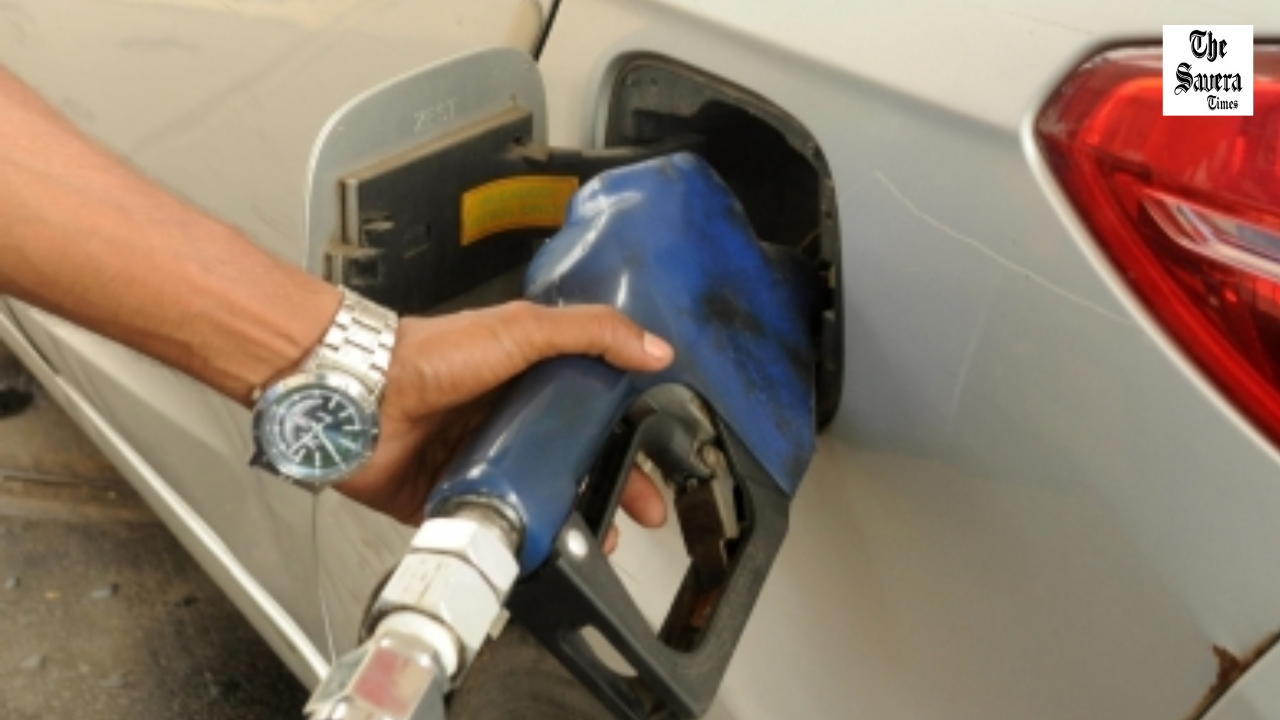
Amid escalating geopolitical tensions in West Asia following the ongoing conflict involving Iran, the Indian government has assured citizens that the country currently has adequate reserves of crude oil and petroleum products. Officials stated that India has enough fuel stocks to manage any short-term disruption in global oil supplies and that authorities are closely monitoring the situation to ensure energy security.
The reassurance comes as concerns grow worldwide about the impact of the Iran-related conflict on global energy markets and key shipping routes such as the Strait of Hormuz a crucial corridor through which a significant portion of the world’s oil supply passes.
According to government sources, India currently maintains sufficient reserves of crude oil and refined petroleum products to meet domestic demand in the near term. Reports indicate that the country has approximately 25 days of crude oil stock and another 25 days of petroleum product reserves, ensuring stability in fuel supply.
Officials have emphasized that the nation remains in a “comfortable position” to manage immediate challenges. Strategic petroleum reserves, along with stocks maintained by refiners and oil marketing companies, provide an additional buffer against global supply disruptions.
Energy authorities have also assured that petrol, diesel, and LPG supplies across the country remain normal and there is no immediate risk of shortages.
The ongoing conflict in West Asia has already caused volatility in global oil prices and raised fears about disruptions to energy supply chains. The Strait of Hormuz, through which a large share of global oil shipments pass, has been affected by rising tensions and security concerns.
Energy analysts note that India imports a significant portion of its crude oil from the Middle East, making it sensitive to prolonged disruptions in the region. However, current reserves and alternative supply arrangements are expected to help cushion short-term shocks.
India’s petroleum ministry has been actively reviewing the supply situation and coordinating with public sector oil companies to ensure uninterrupted fuel availability.
Officials from the Ministry of Petroleum and Natural Gas have stated that the government is continuously monitoring geopolitical developments and global energy markets. Authorities are prepared to take additional steps if required to maintain stable supplies and control price fluctuations.
Measures under consideration include increasing domestic production where possible, diversifying crude oil import sources, and using strategic reserves to manage supply gaps.
The government has also directed refineries to remain prepared for sudden market fluctuations and maintain adequate operational stocks.
With uncertainties surrounding Middle Eastern oil routes, Indian refiners are exploring alternative crude supplies from other regions to reduce dependence on any single source. Import diversification has been a key strategy in recent years to strengthen India’s energy security.
Industry experts say that maintaining diversified supply chains and adequate reserves will help India manage volatility in the global energy market more effectively.
Despite the global uncertainty triggered by the conflict involving Iran, government officials have reiterated that India’s energy supply remains secure for now. Strategic reserves, operational inventories, and proactive policy measures are expected to ensure that consumers do not face fuel shortages in the near future.
However, authorities continue to watch the evolving geopolitical situation closely, as prolonged disruptions in the Middle East could eventually impact global oil prices and supply chains.
Jalandhar, Punjab: Congress has appointed Jalandhar Cantonment MLA and former Olympian hockey player Pargat Singh as the new...
Guwahati: Assam Police on Saturday said they have launched a probe into the horrifying incident where a woman...

New Delhi: Prime Minister Narendra Modi on Saturday extended birthday greetings to Union Culture and Tourism Minister, Gajendra...
Mumbai: Bollywood actress Kriti Sanon and her younger sister Nupur Sanon shared a glimpse of their functioning side...

Washington: The United States has listed 50 countries whose nationals are subject to visa bonds of up to...
Washington: US President Donald Trump ruled out a ban on American diesel exports after European countries agreed to...
Aries: The day will be auspicious...