Last Updated: October 24, 2026
Last Updated: October 24, 2026





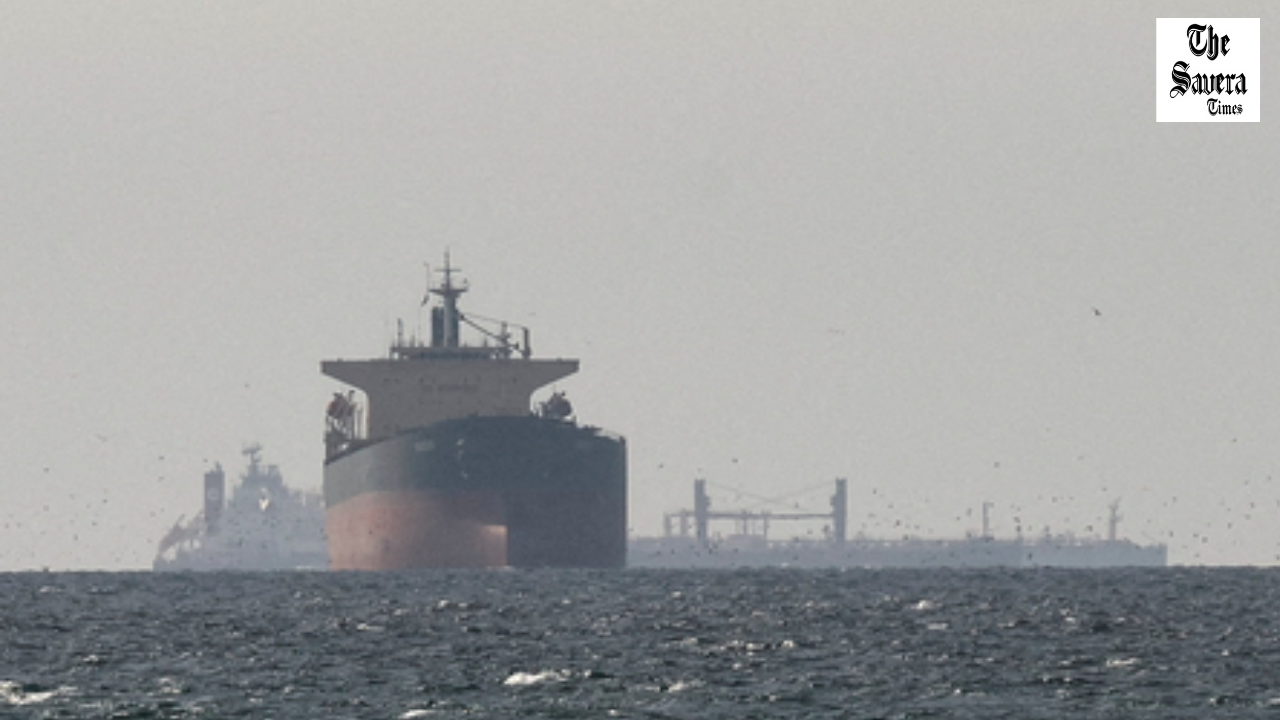
Amid rising geopolitical tensions and disruptions in global energy supply chains, India has emerged as one of the top countries relying on the Strait of Hormuz to transport oil and gas shipments. Despite the challenging conditions, Indian oil tankers continue to navigate this critical maritime route to ensure uninterrupted energy supplies.
The Strait of Hormuz, located between the Persian Gulf and the Gulf of Oman, is one of the world’s most crucial oil transit chokepoints, with nearly 20% of global energy supplies passing through it.
The region has been under severe strain following escalating conflict in West Asia, particularly involving Iran. At one point, the Strait of Hormuz witnessed restrictions and partial closures, severely impacting shipping activity and raising global concerns over oil supply disruptions.
Despite these risks, India has continued to move oil and liquefied petroleum gas (LPG) shipments through the route. Reports indicate that several India-bound tankers have successfully crossed the strait in recent days, even as tensions remain high.
This highlights India’s strategic dependence on the route and its efforts to maintain energy flow during uncertain times.
India is one of the world’s largest importers of crude oil and LPG, with a significant portion of its energy requirements sourced from the Middle East. A large share of these imports traditionally passes through the Strait of Hormuz, making it a lifeline for the country’s energy security.
Even during the ongoing crisis, India has managed to ensure steady supplies by coordinating closely with regional players and deploying diplomatic as well as logistical measures. Indian authorities have also facilitated the movement of ships carrying essential fuel to avoid shortages.
To tackle the crisis, India has adopted a multi-pronged strategy. This includes:
These efforts have enabled several Indian tankers to cross the strait safely, even when many global shipping companies reduced or suspended operations in the region.
In some cases, Indian vessels have received naval support and guidance to navigate through high-risk zones, ensuring both crew safety and cargo security.
During the peak of the crisis, Iran allowed ships from only a limited number of countries to pass through the strait. India was among this select group, along with nations such as China and Russia, underscoring its strategic importance and diplomatic ties in the region.
This selective access helped India continue its oil imports while many other countries faced severe disruptions.
While India continues to use the Hormuz route, it is also taking steps to reduce overdependence. The government has diversified its energy imports, sourcing oil and gas from over 40 countries to mitigate risks associated with regional instability.
At the same time, maintaining access to the Strait of Hormuz remains crucial, as alternative routes are often longer, more expensive, and less efficient.
The arrest of a couple in Ferozepur over an alleged honey-trapping operation has brought renewed attention to suspected...

Catch up on the biggest developments across India and around the world with The Savera Afternoon Bulletin, covering...

Jamia Millia Islamia has moved all classes online until further notice as students continue their hunger strike and...

An 18-year-old Class 12 student died after being found burnt at a school in Delhi’s Krishna Nagar. Police...

SEBI has directed Avadhut Sathe Trading Academy and its founder to refund ₹546.17 crore over unregistered investment advisory...

Dr Sajjan Singh Yadav will take over as Jammu and Kashmir Chief Secretary on November 1. He will...

Aries: The day will be auspicious...