Last Updated: October 21, 2026
Last Updated: October 21, 2026





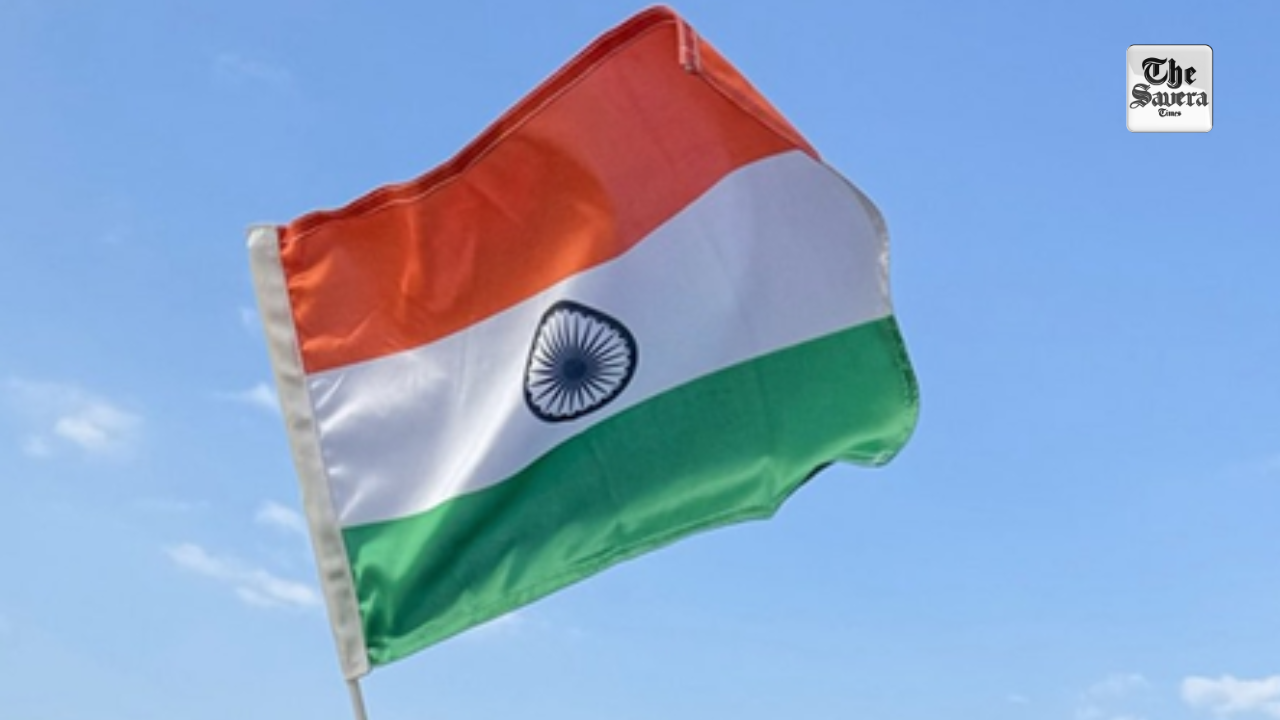
Prime Minister Narendra Modi wrapped up a significant threenation tour this week, visiting Jordan, Ethiopia, and Oman, with the trip underscoring India’s growing diplomatic and economic outreach across West Asia and Africa.
The visit came at a time when New Delhi is recalibrating its foreign policy amid shifting global trade dynamics and rising regional tensions. A key highlight of the tour was Modi’s visit to Muscat, where India and Oman signed a Comprehensive Economic Partnership Agreement (CEPA).
The agreement, effectively a free trade pact, marks India’s second major trade deal in recent months after the agreement concluded with the United Kingdom in May. The India-Oman CEPA aims to boost bilateral trade, enhance market access, and strengthen investment flows between the two countries.
The deal assumes added importance as Indian exporters face increasing tariff pressures in major markets such as the United States.
With global trade becoming more fragmented, New Delhi is seeking to diversify its economic partnerships to reduce dependence on any single country. Oman, strategically located at the crossroads of the Gulf, Africa, and South Asia, is seen as a key gateway for Indian goods and services into the wider West Asian and African markets.
The agreement is expected to benefit sectors such as textiles, engineering goods, chemicals, food products, and services, while also deepening energy cooperation. Even as India pushes forward on the trade and diplomacy front, relations with neighbouring Bangladesh remain strained.
Ties between the two countries have deteriorated since the ouster of former Bangladeshi Prime Minister Sheikh Hasina in August last year. In recent weeks, antiIndia rhetoric has gained traction in Dhaka, triggering diplomatic unease in New Delhi.
This week, India summoned the Bangladesh High Commissioner to lodge a formal protest over threats to the security of the Indian High Commission in Dhaka. The move followed protests being organised outside the Indian mission, raising concerns about the safety of diplomatic personnel and property.
The situation escalated after controversial remarks by Hasnat Abdullah, a leader of Bangladesh’s National Citizen Party, who reportedly threatened to isolate India’s Northeastern states, often referred to as the “Seven Sisters”, and offer refuge to separatist groups if Bangladesh were to face destabilisation.
Indian officials view such statements as deeply provocative, particularly given the sensitive security situation in the Northeast and the region’s long history of insurgency. This is not the first instance of Bangladeshi political figures making contentious comments about India’s Northeast, but the current political climate in Dhaka has added to New Delhi’s concerns.
India has stressed the importance of maintaining diplomatic norms and ensuring the security of foreign missions, even amid political transitions. Meanwhile, North India continues to grapple with a severe pollution crisis, with Delhi once again at the centre of attention.
The capital’s Air Quality Index (AQI) has remained in the “hazardous” category for much of the week, as a thick blanket of smog enveloped the city. Poor visibility, respiratory distress, and public health warnings have become routine as winter sets in.
The situation has grown so alarming that foreign embassies have begun issuing advisories and offering suggestions to India on tackling air pollution. While such interventions are unusual, they reflect the global concern over Delhi’s deteriorating air quality, which frequently ranks among the worst in the world during winter months.
Factors such as vehicular emissions, industrial pollution, construction dust, crop residue burning in neighbouring states, and unfavourable weather conditions have combined to create a toxic mix.
As India balances its expanding global role with domestic and regional challenges, the week’s developments highlight the complexity of its current moment. On one hand, trade agreements like the India-Oman CEPA signal economic ambition and strategic diversification.
On the other, diplomatic friction with Bangladesh and persistent environmental crises at home underline the hurdles New Delhi continues to face on multiple fronts.
Stay updated with the latest national, international, Punjab, political, business, crime, weather, sports and entertainment news with The...

The family of 5-year-old Fabiana Cabello in New York City, USA, is in deep shock after her death....

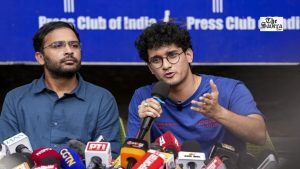
The Delhi High Court on Wednesday posed several questions to Cockroach Janata Party (CJP) leaders Sourav Das and...
Cockroach Janata Party (CJP) leaders Sourav Das and Ashutosh Ranka withdrew their petition from the Delhi High Court...
A suspicious explosion occurred on Tuesday at a building under construction on Jermiah Road in the Pulikesi Nagar...

The Ayushman Bharat Pradhan Mantri Jan Arogya Yojana (PMJAY) is proving to be a significant relief for poor...
Aries: The day will be auspicious...