Last Updated: October 20, 2026
Last Updated: October 20, 2026





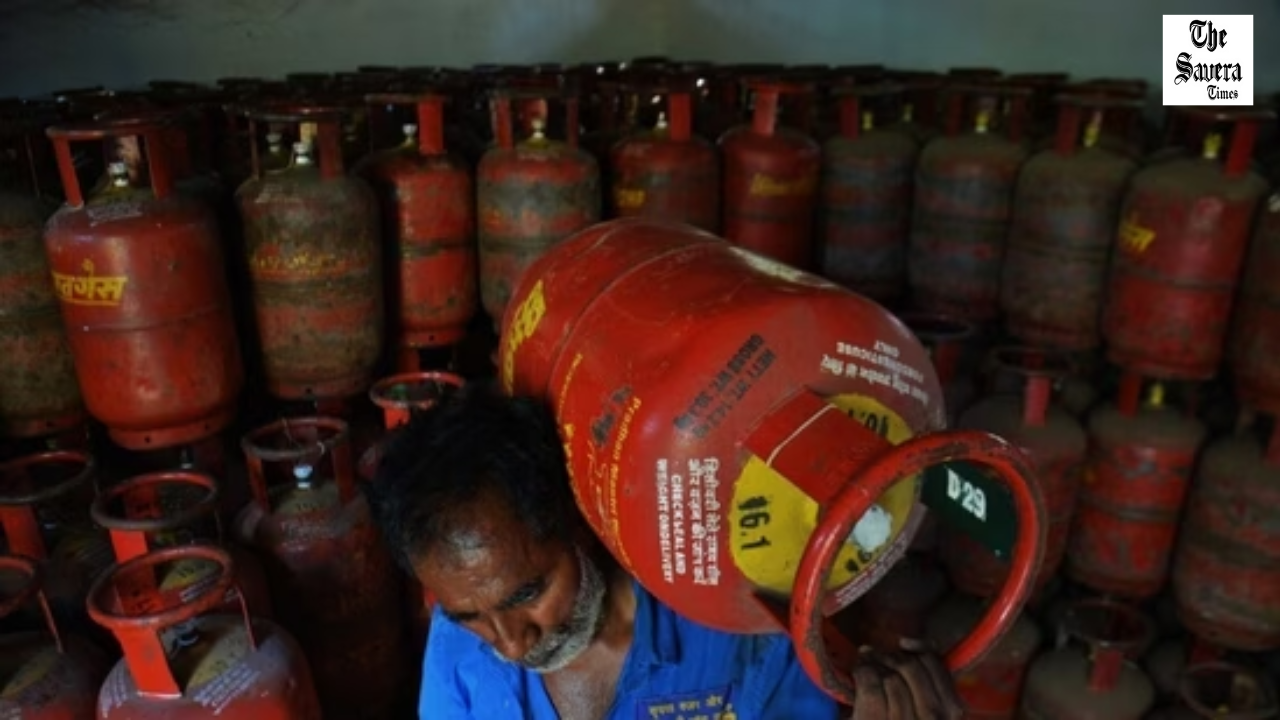
Amid escalating tensions in West Asia and concerns over global fuel supply disruptions, the Indian government has begun reviewing the use of liquefied petroleum gas (LPG) for non-essential and commercial purposes. The move aims to ensure uninterrupted availability of cooking gas for households across the country.
Officials from the Ministry of Petroleum and Natural Gas have directed oil refineries to increase LPG production and channel the additional output primarily for domestic consumers. The step comes as geopolitical tensions threaten energy supply routes and push global crude oil prices higher.
India has more than 33 crore LPG consumers, making cooking gas availability a critical public welfare concern. Ensuring stable supply to households has therefore been placed at the top of the government’s energy security priorities.
Under the new directive, all oil refining companies operating in India have been asked to maximise production of LPG. Refineries must ensure that propane and butane streams generated during the refining process are primarily used for producing LPG rather than being diverted to petrochemical manufacturing or other industrial uses.
The order has been issued under provisions of the Essential Commodities Act and the Petroleum Products Maintenance of Production, Storage and Supply Order, which allow the government to regulate essential fuel supplies during emergencies.
Public sector oil marketing companies—Indian Oil, Bharat Petroleum and Hindustan Petroleum—have been instructed to distribute the LPG produced mainly to domestic consumers.
While households remain the priority, the government is reviewing LPG allocations for commercial sectors, including restaurants, hotels and some industries that depend on commercial cylinders.
A committee of senior officials from oil marketing companies has been set up to evaluate requests from non-domestic sectors and determine whether supplies can be provided based on urgency and necessity.
Essential services such as hospitals and educational institutions are likely to continue receiving LPG supplies, while non-essential commercial usage could face restrictions if supply conditions worsen.
Industry bodies, including hospitality associations, have already flagged concerns about potential shortages of commercial cylinders and have urged the government to ensure balanced supply to avoid disruption of services.
India is among the world’s largest LPG consumers and depends heavily on imports to meet domestic demand. In recent years, the country has consumed more than 30 million tonnes of LPG annually, with over half of the supply coming from imports.
A significant portion of these imports’ travels through the Strait of Hormuz, a crucial maritime chokepoint near the conflict-hit West Asian region. Any disruption to shipping routes or supply chains could affect fuel availability in India.
To mitigate risks, the government and Indian energy companies are also exploring alternative international suppliers and strengthening strategic fuel reserves.
To maintain orderly supply and prevent panic buying, the government has also introduced a 25-day gap between LPG cylinder bookings. This measure aims to discourage hoarding and ensure fair distribution among households.
Officials have assured citizens that India currently has adequate energy reserves and that the government is closely monitoring global developments. However, authorities remain prepared to take additional steps if the West Asia crisis escalates and affects global energy markets further.
Good Evening Viewers! Catch up on the day's biggest stories with The Savera Times Evening Bulletin. Get the...

Congress leaders continued their protest outside the Jaipur Police Commissionerate on Tuesday, demanding the registration of a zero...
On the auspicious occasion of Vijayadashami, Prime Minister Narendra Modi on Tuesday called on the countrymen to unite...
A historic milestone was achieved on Tuesday in the expansion of Chhattisgarh's rail networkA historic milestone was achieved...
Model Shraddha Dubey, one of the main accused in the death of Lucknow businessman Shiv Sharma, has been...

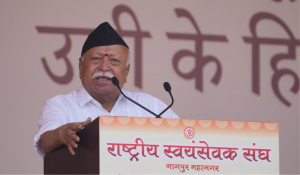
Rashtriya Swayamsevak Sangh (RSS) chief Mohan Bhagwat on Tuesday called for strengthening national unity, social harmony, indigenous practices...
Aries: The day will be auspicious...