New Delhi: India has reportedly proposed a three-part truce plan aimed at reducing hostilities between Russia and Ukraine, covering attacks on energy infrastructure, the movement of essential commodities through the Black Sea and the safety of commercial shipping. The proposal is being viewed as a broader approach to a ceasefire than separate initiatives put forward by other countries, according to a report by Geopolitical Monitor.
While US President Donald Trump’s efforts have focused on persuading Moscow and Kyiv to stop targeting each other’s oil refineries, India’s reported proposal seeks to address several connected issues at once.
The plan was conveyed to Ukrainian officials during External Affairs Minister S. Jaishankar’s visit to Kyiv in September, the report by Nikola Mikovic said.
It has three main elements: stopping attacks on energy facilities and other infrastructure, keeping grain and energy shipments moving through Black Sea ports, and ending attacks on commercial vessels.
The approach seeks to link energy security with maritime safety and the continued movement of essential supplies, rather than treating each issue as a separate ceasefire arrangement.
Ukraine Calls India’s Proposal the Broadest
Ukrainian Foreign Minister Andrii Sybiha reportedly described India’s initiative as the broadest among the proposals under discussion.
“We have four proposals. The broadest is India’s proposal. We are ready for an energy and Black Sea ceasefire, but only in this combination,” Sybiha was quoted as saying in the report.
He indicated that an energy ceasefire would require a complete halt to strikes on energy facilities, including port infrastructure.
The remarks suggest that Kyiv is open to discussing India’s wider proposal, although they do not establish that Russia and Ukraine have reached an agreement on its terms.
Moscow has also acknowledged India’s diplomatic efforts, but the Kremlin has taken a more limited view of the initiative. According to the report, Russia described the proposal as addressing only one specific aspect of a possible settlement.
Kremlin spokesperson Dmitry Peskov also echoed US Secretary of State Marco Rubio’s assessment that there were currently no prospects for a diplomatic resolution to the war. Moscow maintains that the conditions needed for negotiations are not yet in place.
Russia and Ukraine Remain Divided Over a Ceasefire
The two sides continue to differ over what a truce would achieve.
Russia has repeatedly argued that it wants a lasting and just peace rather than a temporary ceasefire. Moscow’s position is that stopping the fighting without a broader settlement could give Ukraine time to regroup, obtain weapons and prepare for renewed hostilities.
Ukraine, meanwhile, has concerns about accepting an energy-only ceasefire without arrangements covering other parts of the conflict. The report suggests that Kyiv sees a broader agreement as more useful than a limited pause in attacks on energy infrastructure.
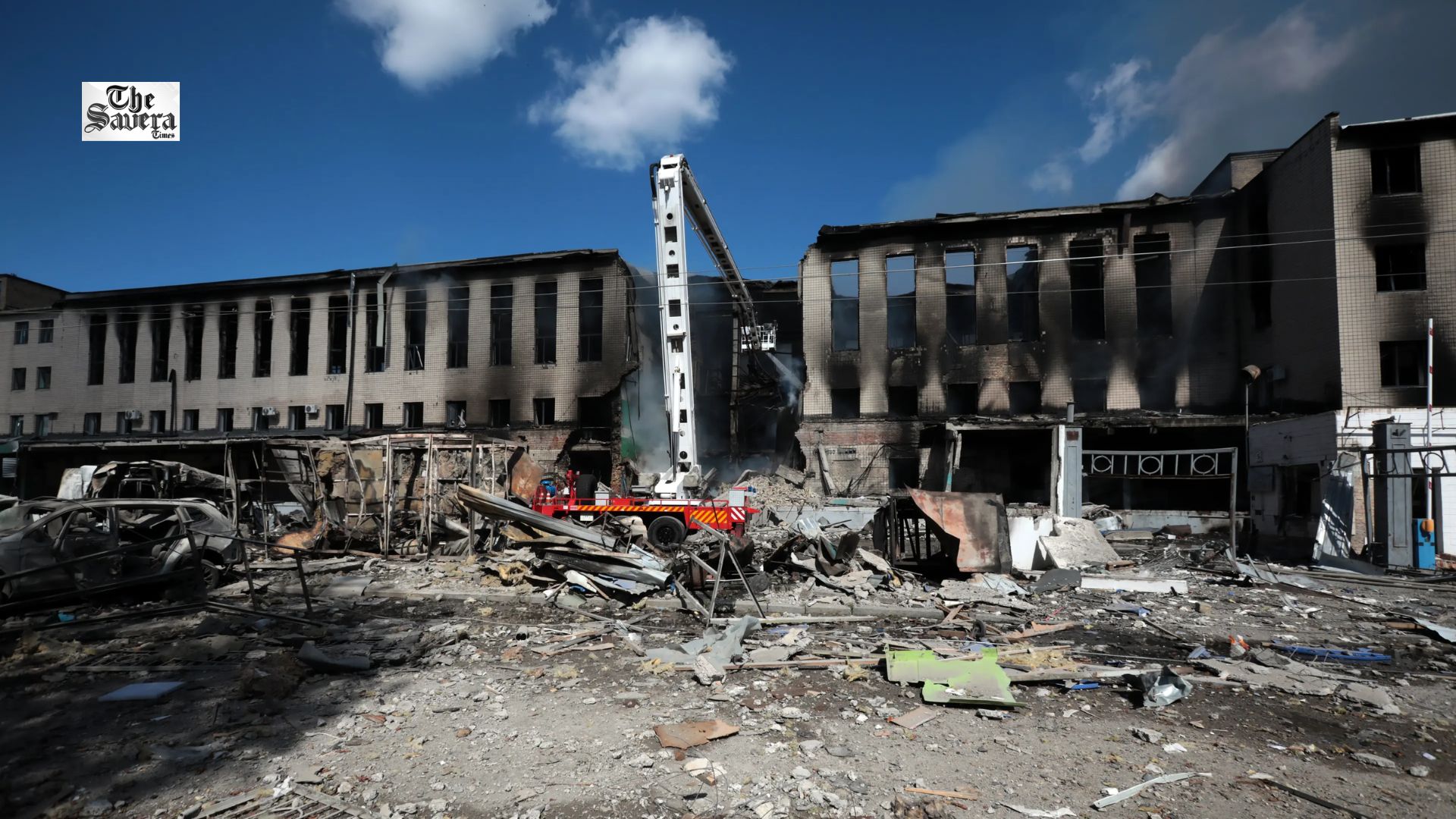
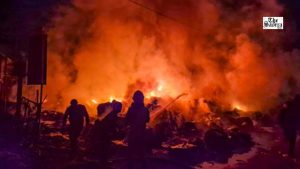
The continuing strikes on energy facilities have added to the pressure. Russia has repeatedly targeted Ukrainian power infrastructure, while Ukrainian attacks on Russian oil refineries have also affected Moscow’s energy sector.
According to the report, damage to Russian refineries has contributed to fuel shortages and queues at petrol stations, prompting Russia to suspend fuel exports. It also said Russia has been importing fuel from neighbouring Kazakhstan and Belarus, as well as India.
These developments highlight how attacks on energy infrastructure can affect supplies and prices beyond the immediate battlefield.
Energy Trade Gives India an Economic Stake in Peace
India’s economic relationship with both countries is another factor shaping its approach.
Russia continues to supply crude oil to India, while India also exports refined petroleum products to the Russian market. This two-way trade illustrates how energy ties between the countries have developed beyond a one-directional flow of supplies.
For New Delhi, the consequences of a prolonged war extend beyond its diplomatic relations with Moscow and Kyiv. Disruptions to energy markets, maritime transport and food supplies can affect economies far from Europe, including countries that depend on imported fuel and internationally traded commodities.
The Geopolitical Monitor report also pointed to India’s growth outlook as a reason for seeking to limit the economic impact of the conflict. It cited the International Monetary Fund’s projection of 7 per cent GDP growth for India, arguing that continued instability could threaten wider economic interests.
Keeping energy and grain shipments moving through the Black Sea and reducing attacks on commercial vessels could help limit some of these risks.
India’s three-part proposal therefore seeks to address both the immediate effects of the fighting and the wider economic consequences of disruptions to trade. However, with Moscow and Kyiv still divided over the terms of a settlement, the initiative remains a diplomatic proposal rather than an agreed ceasefire.