Last Updated: October 10, 2026
Last Updated: October 10, 2026





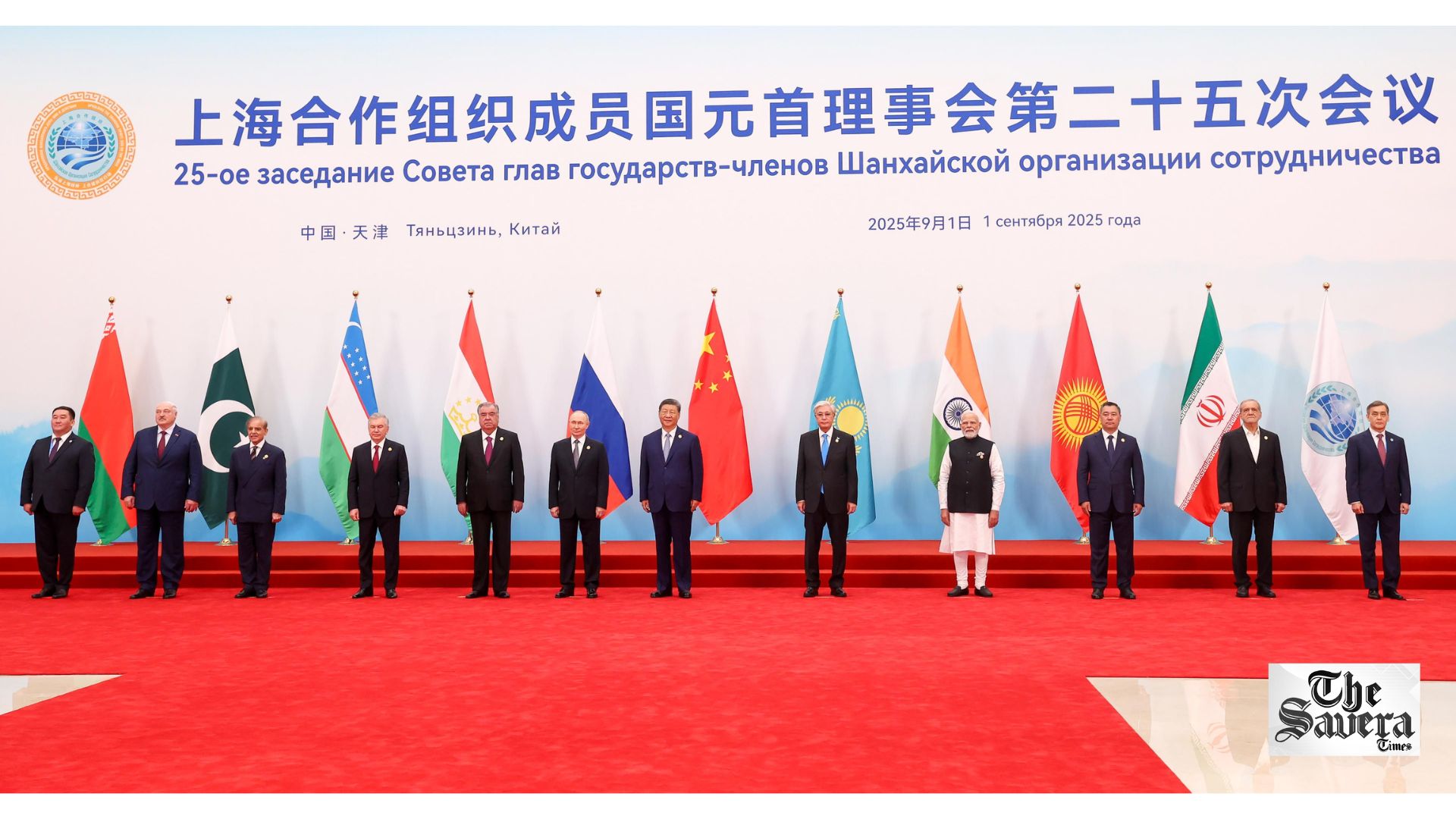
India views the Shanghai Cooperation Organisation (SCO) less through the prism of ideological alignment and more as a platform of strategic utility. In the changed geopolitical landscape, its relevance lies in New Delhi’s ability to leverage the forum for connectivity, counterterrorism and cultural diplomacy while balancing China’s dominance.
If the SCO evolves into a forum capable of delivering tangible outcomes, India could gain greater visibility and strategic leverage across Eurasia. Bishkek, the capital of Kyrgyzstan, is hosting the SCO Summit under its 2026 Chairmanship, with the Heads of State meetings scheduled for August 31- September 1. Prime Minister Narendra Modi is expected to attend the summit. The SCO was established on June 15, 2001, with its founding members being China, Russia, Kazakhstan, Kyrgyzstan, Tajikistan, and Uzbekistan.
In 2017, India and Pakistan joined it. In 2023, Iran became a member, followed by Belarus in 2024, bringing the total number of SCO member states to 10. The SCO has two observer states — Afghanistan and Mongolia — and 14 dialogue partners — Azerbaijan, Armenia, Cambodia, Nepal, Turkey, Sri Lanka, Saudi Arabia, Egypt, Qatar, Bahrain, the Maldives, Myanmar, the United Arab Emirates, and Kuwait.
Collectively, the SCO grouping accounts for 25 per cent of the world’s territory and nearly 45 per cent of its population. Their combined share stands at approximately 23 per cent of global nominal GDP and 36 per cent in PPP terms. Since becoming an official member of the SCO in 2017, India has played a role in advancing and facilitating several concrete initiatives
Ukrainian President Volodymyr Zelensky has criticised Donald Trump’s reported agreement to allow Russian diesel supplies to global markets,...
A 7.2-magnitude earthquake struck Panama on Friday, shaking buildings in Panama City and prompting tsunami alerts. Panama Canal...

Russian President Vladimir Putin says proposed Russian oil supplies to the US could benefit the global economy following...
Sharjah, UAE: All 22 Indian seafarers aboard the Panama-flagged crude oil tanker MT GEM NO. 2 are safe...
China is facing a human resources problem as the country’s younger generation sees technical education as lower in...

~Abhishek Vij Crude oil and natural gas exported from Gulf nations to half the world form the energy...