Last Updated: October 24, 2026
Last Updated: October 24, 2026





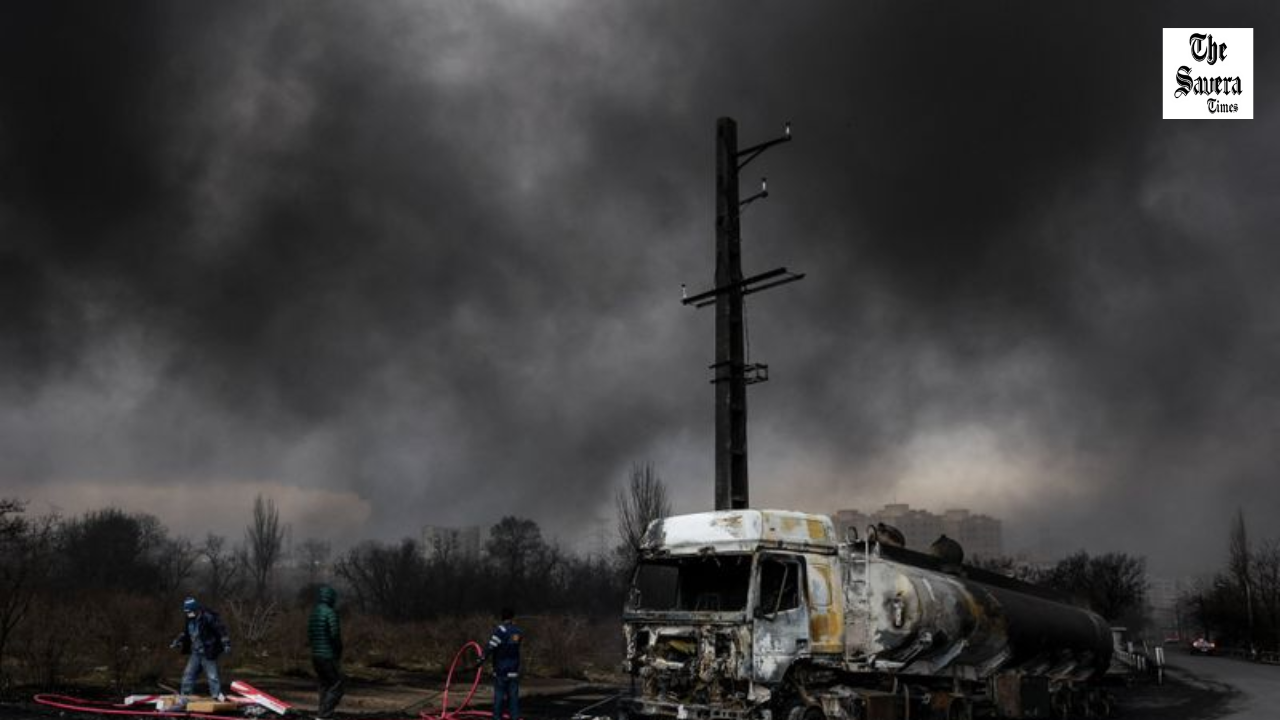
India has started exploring alternative crude oil sources as the conflict in West Asia continues to escalate, raising concerns about potential disruptions to global energy supplies. The move comes as geopolitical tensions threaten shipping routes and oil infrastructure in the region, which is a major source of India’s energy imports.
As one of the world’s largest oil importers, India depends heavily on crude supplies from the Middle East. With uncertainty surrounding key maritime routes such as the Strait of Hormuz, Indian refiners and the government have begun diversifying supply sources to ensure energy security and maintain stable fuel availability in the country.
Indian oil refiners are actively negotiating additional crude cargoes from countries outside the conflict zone. Suppliers in regions such as the United States, West Africa and Latin America are emerging as key alternatives to traditional Middle Eastern sources.
By expanding its crude oil “basket”, India aims to reduce dependency on any single region and protect the domestic market from sudden supply shocks. Refiners have also been reviewing logistics and supply routes to avoid areas affected by the conflict and related security risks.
Industry experts say such diversification is a common strategy used during geopolitical crises to maintain steady fuel supplies and prevent sudden price spikes in the domestic market.
The ongoing tensions in West Asia have raised concerns over the safety of the Strait of Hormuz, one of the world’s most important oil transit chokepoints. Nearly one-fifth of global oil shipments pass through the strait, making it critical for international energy trade.
For India, the risk is particularly significant because a large portion of its crude imports travels through this narrow waterway. Disruptions in the region could slow shipments, increase shipping costs and push global oil prices higher.
The conflict has already created volatility in global energy markets, with analysts warning that prolonged disruptions could affect supply chains across Asia and beyond.
India imports nearly 88 percent of its crude oil requirements, making it highly sensitive to global supply shocks and price fluctuations.
Historically, West Asia has been the largest source of India’s crude imports, accounting for roughly half of the country’s oil supplies. This heavy reliance has prompted policymakers to focus on diversifying suppliers and strengthening strategic reserves.
In recent years, India has also increased purchases from countries such as Russia and the United States to balance its energy mix and reduce vulnerability to regional crises.
Despite the rising tensions, the government has assured that India’s fuel supplies remain stable. Petroleum Minister Hardeep Singh Puri said oil imports are continuing through alternative routes and that the country’s energy requirements are being fully met.
Officials also highlighted that India maintains strategic petroleum reserves that can support domestic demand during supply disruptions. These reserves act as a buffer in times of geopolitical uncertainty or market volatility.
As the West Asia conflict continues, India is likely to further expand its energy sourcing strategy and strengthen diplomatic and trade ties with multiple oil-producing nations. Diversification, strategic reserves and flexible supply chains are expected to remain key pillars of the country’s energy security policy.
While the current situation has not disrupted domestic fuel supplies, experts believe continued monitoring of global energy markets will be crucial to ensure price stability and uninterrupted supply for India’s rapidly growing economy.
Iran's parliamentary delegation will attend the BRICS Parliamentary Forum in New Delhi on October 26–27 after Speaker Mohammad...

Elon Musk has become the largest individual political donor ahead of the 2026 US midterms, with more than...

The arrest of a couple in Ferozepur over an alleged honey-trapping operation has brought renewed attention to suspected...

Four pilots died after two Philippines Air Force aircraft collided midair during a training exercise in Batangas. The...

Multiple earthquakes of preliminary magnitudes 7.2, 6.9 and 6.3 were reported near the Vanuatu Islands on Saturday. India's...
Washington: US President Donald Trump has acknowledged that the war with Iran has driven up oil prices and...

Aries: The day will be auspicious...