Last Updated: October 21, 2026
Last Updated: October 21, 2026





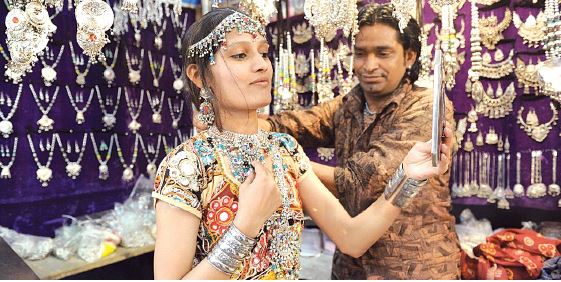
They say all that glitters is gold, but this festive season in India, silver is stealing the spotlight. Prices of the white metal have surged to record highs, physical supplies have thinned, and panic buying has prompted several mutual fund houses to temporarily halt fresh investments in Silver ETF Fund of Funds. The shortage is not just local; it is global, with ripple effects felt from London vaults to Indian mandis.
Global silver demand has outpaced supply for four consecutive years, exhausting the surplus accumulated over the previous five. On Tuesday, benchmark spot silver climbed 3.1 percent to nearly $52 an ounce in London. In India, prices hovered close to Rs 1.8 lakh per kilogram, reaching new peaks. Anant Jatia, chief investment officer at Greenland Investment Management, told Bloomberg, “There is no liquidity available currently,” highlighting concerns in London, where a small number of vaults and banks set global benchmark prices.
London’s inventories, a key source of tradable silver, have dropped sharply since mid-2021. Remaining freely tradable silver is significantly lower than 2019 levels. Meanwhile, mine production has not kept pace with demand, leaving the market dependent on shrinking stockpiles and international shipments.
The demand surge is being driven by multiple factors. Investors increasingly see silver as a safe haven amid rising inflation expectations and weakening confidence in fiat currencies. Geopolitical uncertainty and global monetary easing have added to safe-haven buying. The United States recently placed silver on a draft critical minerals list, prompting countries and companies to secure inventories, further tightening supply.
India, the world’s largest consumer of silver, imports roughly 80 percent of its needs. Reuters reports that in the first eight months of 2025, silver imports fell 42 percent to 3,302 tonnes, while investment demand surged to record levels. This demand absorbed much of the 2024 surplus, creating a shortfall that requires fresh shipments. Higher lease rates for borrowing physical silver, up by 30 percent, have also slowed international movements, adding to scarcity.
Institutional interest is intensifying the squeeze. Central banks are increasingly buying silver alongside gold, both in physical form and through ETFs. Analysts note that geopolitical uncertainty, monetary easing, and bottlenecks in London have amplified the impact on prices. The limited size and liquidity of the silver market compared with gold—roughly nine times smaller—mean price moves are magnified.
The shortage is felt acutely in India’s festive markets. Silver is a popular purchase for Diwali, often bought as coins or bars. Jewellers are struggling to meet demand, quoting long delivery times, sometimes 10 to 20 days or more. Mutual fund houses, including Kotak, SBI, Tata, and UTI, have temporarily stopped accepting fresh investments in Silver ETF Fund of Funds to protect investors from steep premiums and volatility.
For manufacturers, the scarcity has complicated production of silverware and other goods. Fund managers and market experts say the situation will persist until new supply arrives, lease rates normalize, and speculative demand stabilizes.
This festive season, silver is no longer an accessory to gold. From investors to jewellers and festival buyers, the white metal has become a focal point of market stress, highlighting global supply chains and the delicate balance between demand, production, and investment trends.
Good Evening Viewers! Catch up on the day's biggest stories with The Savera Times Evening Bulletin. Get the...

Congress leaders continued their protest outside the Jaipur Police Commissionerate on Tuesday, demanding the registration of a zero...

On the auspicious occasion of Vijayadashami, Prime Minister Narendra Modi on Tuesday called on the countrymen to unite...
A historic milestone was achieved on Tuesday in the expansion of Chhattisgarh's rail networkA historic milestone was achieved...

Model Shraddha Dubey, one of the main accused in the death of Lucknow businessman Shiv Sharma, has been...

Rashtriya Swayamsevak Sangh (RSS) chief Mohan Bhagwat on Tuesday called for strengthening national unity, social harmony, indigenous practices...
Aries: The day will be auspicious...