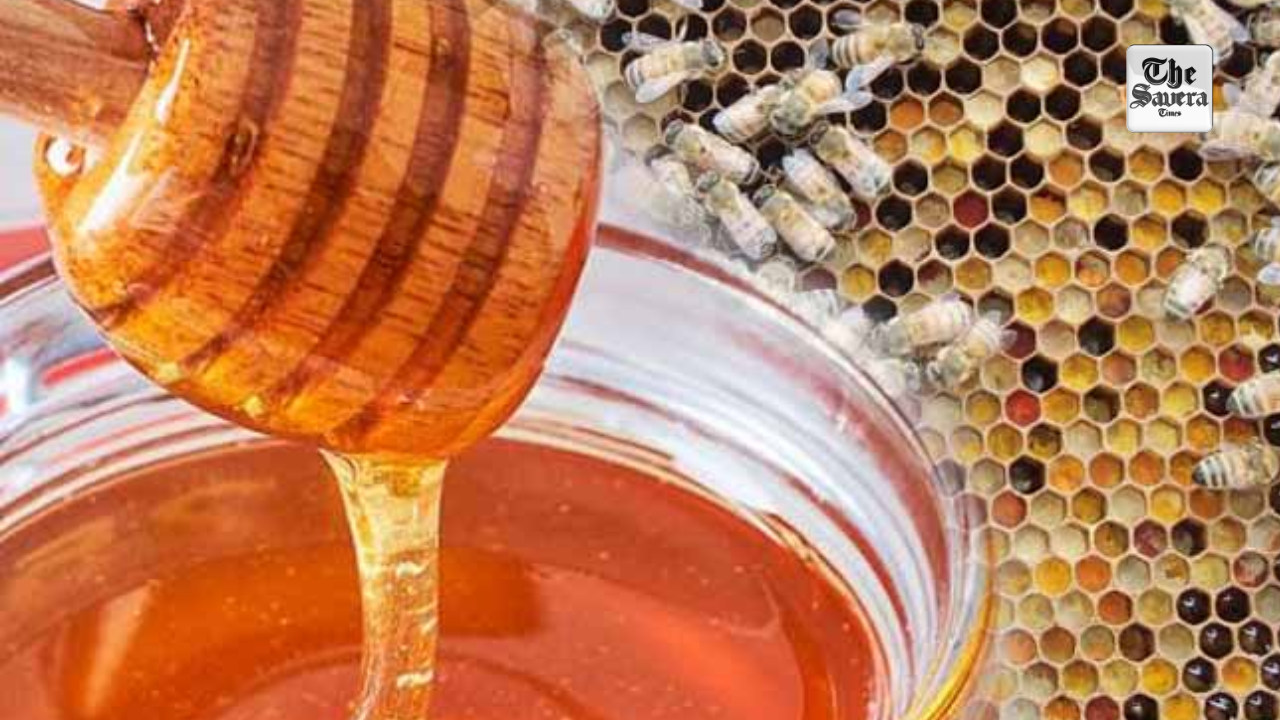
New Delhi: India has emerged as the second-largest exporter of honey globally, with exports reaching 1.07 lakh metric tonnes (MT) worth $177.55 million in FY 2023–24, according to an official statement released on Sunday.
This marks a remarkable rise from 9th position in 2020, reflecting India’s growing prominence in the global honey trade.
National Beekeeping and Honey Mission Driving Growth
The achievement is credited largely to the National Beekeeping and Honey Mission (NBHM) — a Central Sector Scheme launched to promote scientific beekeeping and enhance the production and quality of honey and other bee-based products.
Implemented through the National Bee Board (NBB), the scheme was introduced under the Atmanirbhar Bharat initiative with a budget of ₹500 crore for FY 2020–21 to 2022–23, and later extended to FY 2025–26 with ₹370 crore remaining from the original allocation.
A key feature of the programme is the Madhukranti Portal, which enables online registration and traceability of honey and related products to ensure quality and authenticity in both domestic and export markets.
Sweet Revolution: Boosting Rural Livelihoods
The NBHM forms part of the “Sweet Revolution”, a nationwide initiative aimed at enhancing honey production and doubling farmers’ incomes through the adoption of modern apiculture practices.
Beekeeping, an agro-based rural enterprise, plays a vital role in crop pollination, which improves agricultural productivity and rural incomes. It also provides access to high-value by-products such as:
-
Beeswax (used in cosmetics and pharmaceuticals)
-
Bee pollen and propolis (nutritional and medicinal uses)
-
Royal jelly and bee venom (used in alternative medicine and wellness products)
Three Mini Missions for Comprehensive Development
The NBHM operates through three Mini Missions to ensure holistic development of the beekeeping sector:
-
Mini Mission I: Focuses on enhancing crop productivity through pollination and scientific beekeeping practices.
-
Mini Mission II: Deals with post-harvest management, including collection, processing, storage, marketing, and value addition of bee products, supported by the development of infrastructure.
-
Mini Mission III: Concentrates on research and technology development tailored to regional needs, ensuring sustainability and innovation in apiculture.
Beekeeping as a Pillar of Sustainable Agriculture
India’s diverse agro-climatic zones make it ideal for large-scale honey production.
The government views beekeeping as a key driver of rural development, biodiversity conservation, and agricultural sustainability — aligning with national goals for self-reliance and sustainable livelihoods.
With global demand for natural honey and organic products on the rise, India’s ascent to the No. 2 position highlights the success of coordinated policy efforts, technological support, and the growing participation of rural communities in the “Sweet Revolution.”