Last Updated: October 8, 2026
Last Updated: October 8, 2026





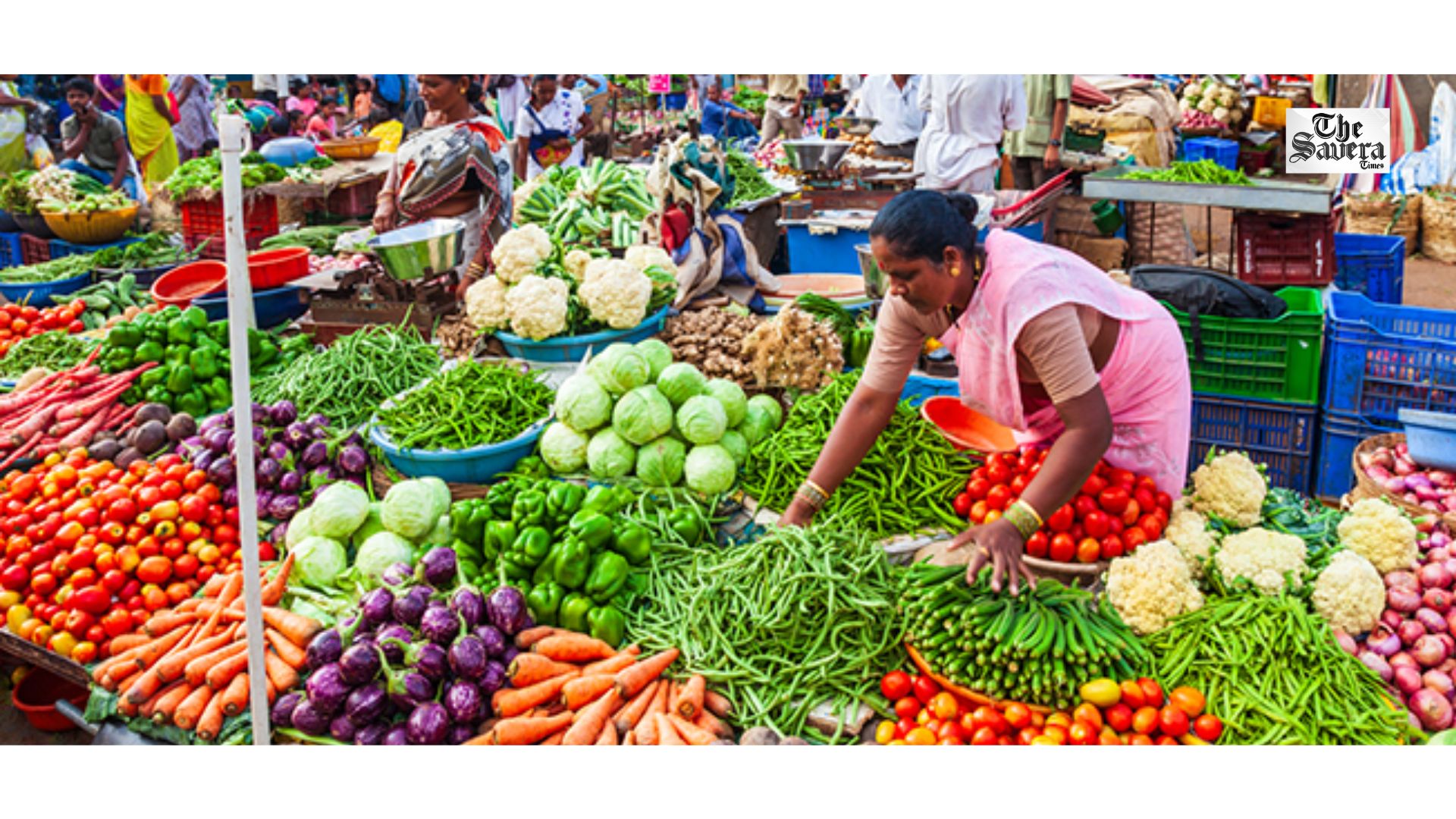
New Delhi: India’s wholesale price index (WPI)-based inflation rose to 9.92 per cent in August 2026, up from 9.78 per cent in July, according to data released by the Commerce Ministry on Monday.
The increase indicates continued pressure on wholesale prices across several major segments of the economy, particularly fuel and power, primary articles and manufactured products.
The All Commodities WPI index increased to 110.8 in August from 110.0 in July 2026.
Fuel And Power Inflation Jumps To 22.93%
Among the major WPI groups, Fuel and Power recorded the highest inflation at 22.93 per cent in August, compared with 20.05 per cent in July.
The index for the Fuel and Power group rose to 108.3 in August from 105.4 in July.
The sharp increase in fuel and power prices is particularly important because energy costs affect transportation, manufacturing, logistics and several other sectors of the economy.
Higher wholesale fuel costs can increase the operating expenses of businesses, particularly industries that depend heavily on petroleum products, electricity and transportation. Over time, some of these higher costs can be passed on through the supply chain.
Primary Articles, Manufactured Products Also See Inflation
Inflation in Primary Articles stood at 7.76 per cent in August, compared with 8.52 per cent in July.
The Primary Articles index rose to 118.1 in August from 117.2 in July.
Meanwhile, inflation in Manufactured Products increased to 8.37 per cent in August, from 8.29 per cent in July. The index for manufactured products stood at 108.8, compared with 108.4 in July.
The movement in manufactured-product prices is significant because it covers a wide range of goods used by businesses and consumers.
Food Inflation Also Rises
The WPI Food Index recorded year-on-year inflation of 7.05 per cent in August, compared with 6.65 per cent in July.
Several items were identified as major drivers of wholesale inflation during August. These included mineral oils containing petroleum products, food articles, manufactured food products, basic metals, non-food articles, and chemicals and chemical products.
Rising wholesale prices for food-related products can eventually affect retail prices if higher input and procurement costs are passed through to wholesalers, retailers and consumers.
However, WPI food inflation should not be interpreted as a direct indication that grocery prices for consumers have increased by exactly 7.05 per cent. Retail prices are influenced by several additional factors, including transportation costs, taxes, margins, supply conditions and local demand.
What Does 9.92% WPI Inflation Mean For Consumers?
The 9.92 per cent WPI inflation figure does not mean that household expenses have increased by 9.92 per cent.
WPI measures changes in prices at the wholesale level, while consumers generally experience price changes through the Consumer Price Index (CPI), which tracks the retail prices of goods and services purchased by households.
Nevertheless, persistent wholesale price increases can eventually affect daily life when businesses pass higher input costs on to consumers.
For example, higher fuel and petroleum-product prices can increase transportation and logistics costs. This can raise the cost of moving vegetables, food products, manufactured goods and other commodities from producers to markets.
Higher prices for food articles and manufactured food products can also put pressure on grocery and food-related expenses if the increase continues through the supply chain.
Similarly, higher prices for chemicals, metals and other industrial inputs can increase production costs for sectors ranging from construction and manufacturing to consumer goods.
Impact On Businesses And Prices
Businesses facing higher wholesale input costs may have to choose between absorbing the additional expense and increasing selling prices.
If companies absorb the increase, their profit margins can come under pressure. If they pass the increase on to customers, retail prices for some products and services could rise.
The impact will vary significantly from one sector to another. Industries that use large quantities of fuel, metals, chemicals or other commodities are generally more exposed to wholesale price increases.
At the same time, not every increase in WPI automatically translates into higher consumer prices. Companies may absorb part of the cost, commodity prices may subsequently fall, or competition may prevent businesses from fully passing on higher costs.
June WPI Inflation Revised Higher
The government also revised the final WPI index for June 2026.
The June All Commodities index was revised from 110.2 in the provisional estimate to 110.3 in the final estimate.
As a result, WPI inflation for June was revised from 9.87 per cent in the provisional estimate to 9.97 per cent in the final estimate.
The Final Estimate of WPI for June 2026, based on the 2022-23 base year, was compiled with a weighted response rate of 99.3 per cent.
For August, the Provisional Estimate of WPI was compiled with a weighted response rate of 84.4 per cent.
PPI Data Also Revised
The government also released updates on the Producer Price Index (PPI).
The final Output PPI index for June was revised from 109.9 in the provisional estimate to 110.0.
Meanwhile, the trial Input PPI for the Manufacturing Sector stood at 104.2 in August, according to the data.
The trial Input PPI for Manufacturing for June was also revised from 107.1 in the provisional estimate to 105.9 in the final index.
What To Watch Going Forward
The August WPI figures show that wholesale price pressures remain elevated, particularly in fuel and power.
For households, the key issue will be whether higher wholesale costs remain temporary or continue to feed through into retail prices. Food, fuel and transportation costs will be particularly important because they can influence household budgets as well as the operating costs of businesses.
A sustained rise in wholesale prices could therefore create pressure across the broader economy, although the eventual impact on consumers will depend on how much of the increase is passed through to retail prices.
The next set of inflation data will be closely watched to determine whether the August rise in wholesale inflation represents a temporary movement or the beginning of a more persistent price trend.
New Delhi: Prime Minister Narendra Modi welcomed policymakers, maritime leaders, and experts from around the world to the...

New Delhi: The outlook for onion availability has strengthened considerably with robust market arrivals and the commencement of...

New Delhi: The Delhi High Court on Wednesday permitted a senior director of Vivo Mobile India to travel...

New Delhi: INDIA bloc leaders, including Leader of Opposition in the Lok Sabha Rahul Gandhi and Congress MP...

Varanasi: Uttar Pradesh Chief Minister Yogi Adityanath on Wednesday said that the state has undergone a major transformation...

Chandigarh: The Punjab Vigilance Bureau (VB) during its ongoing drive against corruption in the state, the Punjab Vigilance...

Aries: The day will be auspicious...