Last Updated: October 6, 2026
Last Updated: October 6, 2026





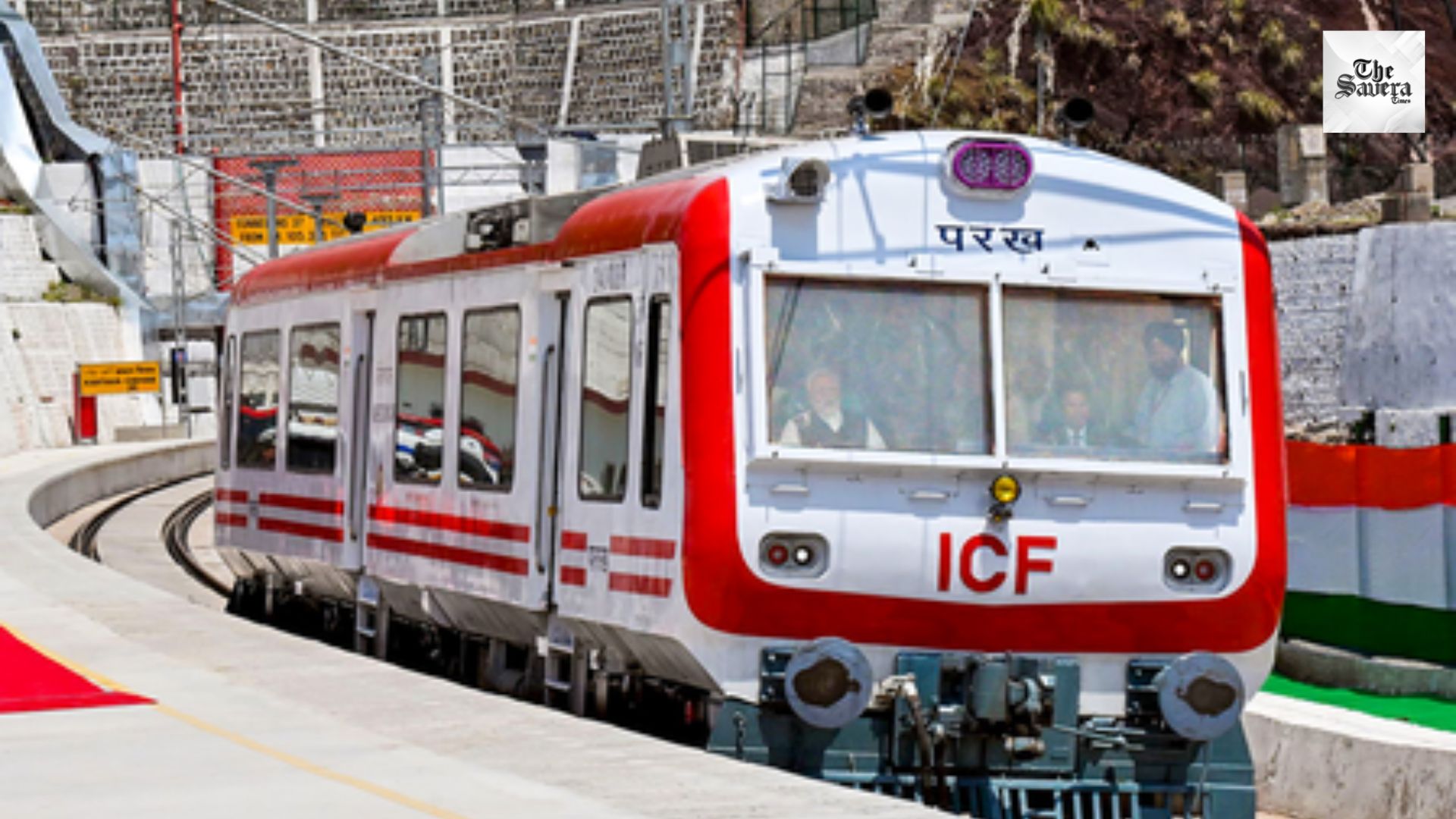
In a major push toward inclusive and affordable transportation, Indian Railways is strengthening its focus on non-air-conditioned (non-AC) travel while continuing to provide significant subsidies on passenger fares. The move is aimed at benefiting millions of daily commuters, especially those from economically weaker sections, by ensuring access to low-cost travel options across the country.
Indian Railways remains one of the largest and most affordable public transport systems in the world. Officials have reiterated that passenger affordability continues to be a top priority, with an average subsidy of nearly 45% on ticket fares. This means passengers pay significantly less than the actual cost of travel.According to government data, if the cost of providing railway services is ₹100, passengers are charged only about ₹55–₹57 on average. This substantial subsidy ensures that rail travel remains accessible to all sections of society, particularly in rural and semi-urban areas.
To further support affordable travel, Indian Railways is increasing the production and deployment of non-AC coaches, including general and sleeper class compartments. In the 2025–26 financial year alone, production plans include over 4,800 general and non-AC coaches, reflecting a clear shift toward catering to high-demand segments.
While Indian Railways continues to introduce premium and high-speed trains, authorities emphasize that affordability remains central to its operations. Even with minor fare rationalisations introduced recently, the overall cost burden on passengers has been kept minimal.Fare revisions in recent years have been modest, with increases as low as a fraction of a paisa to a few paise per kilometre, ensuring that general class passengers are largely unaffected.At the same time, modernization efforts are being integrated into non-AC segments as well. New trains and coaches are being equipped with improved safety features, better ventilation systems, and enhanced passenger amenities.
The demand for non-AC travel continues to remain strong, particularly among daily wage workers, students, and long-distance passengers seeking economical options. Government initiatives are also focusing on introducing modern non-AC train services, such as the Amrit Bharat Express, which offer improved facilities while maintaining affordability. These trains represent a new generation of budget-friendly rail travel in India.
The emphasis on non-AC coaches and subsidised fares reflects Indian Railways’ broader commitment to social equity. By keeping fares low and expanding capacity, Special concessions and quotas for senior citizens, students, and differently-abled passengers further enhance inclusivity, ensuring that rail travel remains a lifeline for diverse sections of society.
As India continues to modernize its rail infrastructure, the dual focus on affordability and expansion of non-AC capacity is expected to remain a cornerstone of policy. With increasing passenger volumes and evolving travel needs, Indian Railways is working to strike a balance between technological advancement and public service.
By prioritising Indian Railways affordable travel, the national transporter is reinforcing its role as the backbone of India’s mobility—ensuring that safe, reliable, and economical travel remains within reach for every citizen.
New Delhi: India on Tuesday condemned the attack on a Panama-flagged commercial vessel MT On Peace off the...
Mumbai: Domestic equity benchmarks ended sharply higher on Tuesday as investors accumulated pharma, private banking and oil &...

Srinagar: The Jammu and Kashmir government has enhanced the retirement age of judicial officers from 60 to 62...
New Delhi: Chief Justice of India (CJI) Surya Kant on Tuesday administered the oath of office to three...
New Delhi: The Food Safety and Standards Authority of India (FSSAI) has asked food safety authorities across states...
New Delhi: The Delhi High Court has declared the Nehru Place District Centre, except for a designated portion,...