Last Updated: October 17, 2026
Last Updated: October 17, 2026






The returns on stock markets and mutual funds have become very sensitive lately. Changes in political and economic conditions have an immediate impact. When the US announced a reduction in tariffs for India, the stock market, which had plummeted after the budget announcement, came back to life.
A deal had already been struck with Europe, and now with the US announcing reduced tariffs and a trade deal, investor confidence in the Indian market returned. When the Union Budget was presented, the stock market had fallen by 1.88 percent to 80,722 points. The expectation of a trade agreement with the US immediately revived the market.The stock market index rebounded sharply. On Tuesday, it even showed a gain of 2300 points, reaching the 84,000 mark.
However, the stock market trend was mostly downward last year, and investors did not see the spectacular returns they had hoped for. The average returns were comparable to those of banks, which had dampened the stock market’s appeal, but now the trade agreements with Europe and the US have given it a new lease on life. On the other hand, the prices of gold and silver fluctuated significantly.
While silver fell by Rs. 52,000 and gold by Rs. 12,800 on Monday, on Tuesday, the price of silver increased by approximately Rs. 17,000 per kilogram and gold by approximately Rs. 5,000 per ten grams.However, the situation for these precious metals remains one of “neither buy nor sell.” The market will take its direction based on future developments. But it should be remembered that as business stability increases in countries and cutthroat competition decreases, the prices of gold and silver tend to stabilize.
In short, the stock market and the prices of gold and silver have stabilized after the trade agreements. It will be interesting to see what the final outcomes will be. It would also be interesting to know whether the US will allow India to buy all its agricultural products at zero tariff, or will this concession be only partial? And will India stop buying oil from Russia, or will it find another way to maintain its diversified sources of oil supply?
Read The Savera Times Evening Bulletin for the top India and world news, latest breaking headlines, major developments...

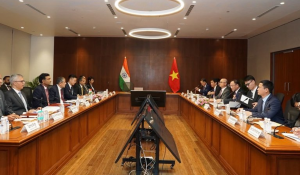
New Delhi: India and Vietnam on Friday reviewed their cooperation across key areas, including economic security, maritime engagements,...
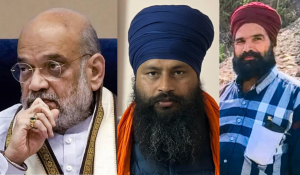
New Delhi: The Union Ministry of Home Affairs (MHA) has sought detailed reports from the Punjab government on...
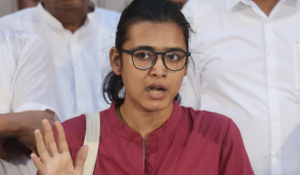
New Delhi: All India Students’ Association (AISA) National President Neha Bora was detained by the Delhi Police on...
New Delhi: The Directorate of Enforcement (ED) has provisionally attached assets and proceeds of crime worth Rs 136.44...
Mumbai: Jindal Saw on Friday reported a steep decline in its earnings for the second quarter of FY27,...
Aries: The day will be auspicious...