Last Updated: October 14, 2026
Last Updated: October 14, 2026





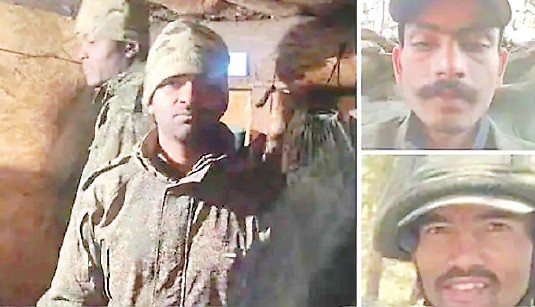
The Indian government has confirmed a worrying and tragic development tied to the prolonged Russia-Ukraine war: at least 202 Indian citizens are believed to have been recruited into the Russian armed forces since Russia’s full-scale invasion began in early 2022. This was disclosed in a written reply by Minister of State for External Affairs Kirti Vardhan Singh in the Rajya Sabha, the upper house of India’s Parliament. In that parliamentary reply, the Ministry of External Affairs (MEA) outlined the toll this situation has taken on Indian nationals. Of those 202 people, 26 have reportedly lost their lives in the conflict and seven are listed as missing, according to information shared by Russian authorities. The numbers reflect a striking escalation compared with earlier years of the war, when only a handful of Indian nationals were confirmed to have died in similar circumstances.
How This Happened: Recruitment and Its Controversies
The details behind how Indians ended up in Russia’s military ranks are complex and troubling. Reports from diplomatic and investigative sources indicate that many were lured with promises of legitimate jobs, education opportunities, or other work abroad, especially via informal networks and recruitment agents. Once in Russia, some allegedly found themselves coerced into signing military contracts, sometimes without fully understanding what they were agreeing to. Earlier investigations and diplomatic statements suggest that human trafficking networks used social media and informal channels to entice young Indians with promises of high wages or educational progression, only for recruits to have passports confiscated and be deployed to conflict zones with little training or choice. While the Russian government has publicly denied officially recruiting Indian nationals, Indian authorities and affected families have described situations where people entered Russia on student or visitor visas and were later pushed into military roles.
Government Response: Diplomacy and Repatriation
In its parliamentary response, the MEA stressed that the Indian government is continuously engaging with Russian authorities to address this issue, focusing on the safety, well-being, and early discharge of its citizens serving in the Russian military. Through sustained diplomatic efforts, 119 of the 202 recruited nationals have already been discharged early and returned home. The government continues to pursue the release of the remaining roughly 50 individuals who are still believed to be in service. The ministry has also provided consular support to families of the deceased and missing: mortal remains of 10 Indian nationals have been repatriated to India, while two others were cremated locally in Russia with official assistance. For those whose identities have not yet been confirmed, DNA samples from family members (18 cases) have been shared with Russian authorities to help match remains once recovered. The Indian Embassy in Russia has been actively involved in arranging travel documents, flights, and logistical assistance for those discharged, helping stranded individuals return home.
Broader Diplomatic and Human Rights Concerns
This disclosure has reignited concerns about the exploitation of foreign nationals in the Russia-Ukraine conflict, particularly citizens from South Asia, who have been targeted by recruitment schemes or caught in misleading job offers that end in military service.
Human rights advocates and policymakers point out that recruitment tactics often blur the lines between voluntary enlistment and coercion, especially when individuals are isolated abroad and lack full awareness of the contracts they are signing.
In India, family members of those affected have voiced deep distress over how their loved ones were drawn into a war thousands of kilometres from home, often under promises that turned out to be false or misleading. These cases have added pressure on New Delhi to intensify protections for citizens seeking work abroad and to more aggressively counter misinformation and fraudulent recruitment schemes.
The Human Cost
Behind the numbers lie individual tragedies: young Indians who left home with hopes of work or study, only to find themselves in one of the deadliest armed conflicts of the 21st century. The official count of 26 deaths and seven missing highlights the human toll of this extraordinary situation.
The government’s ongoing diplomatic engagement seeks not just to bring people home but to ensure that families receive answers and closure where possible, including through identification and repatriation of remains.
What Delhi’s Jantar Mantar signifies today was once the domain of Boat Club: to symbolise managed dissent, but...

At least 3 out of 5 people who try a cigarette become daily smokers. The findings of a...

According to a recent study, a group of researchers have found that keeping fit can help fight dementia....

The war in the Middle East and the closure of the Strait of Hormuz will push the Middle...

The recent detention of a California resident accused of surveilling the family of Taiwan President Lai Ching-te highlights...
The Supreme Court of India, while conducting a special hearing on the petitions presented before it on Sunday,...

Aries: The day will be auspicious...