Last Updated: November 23, 2026
Last Updated: November 23, 2026




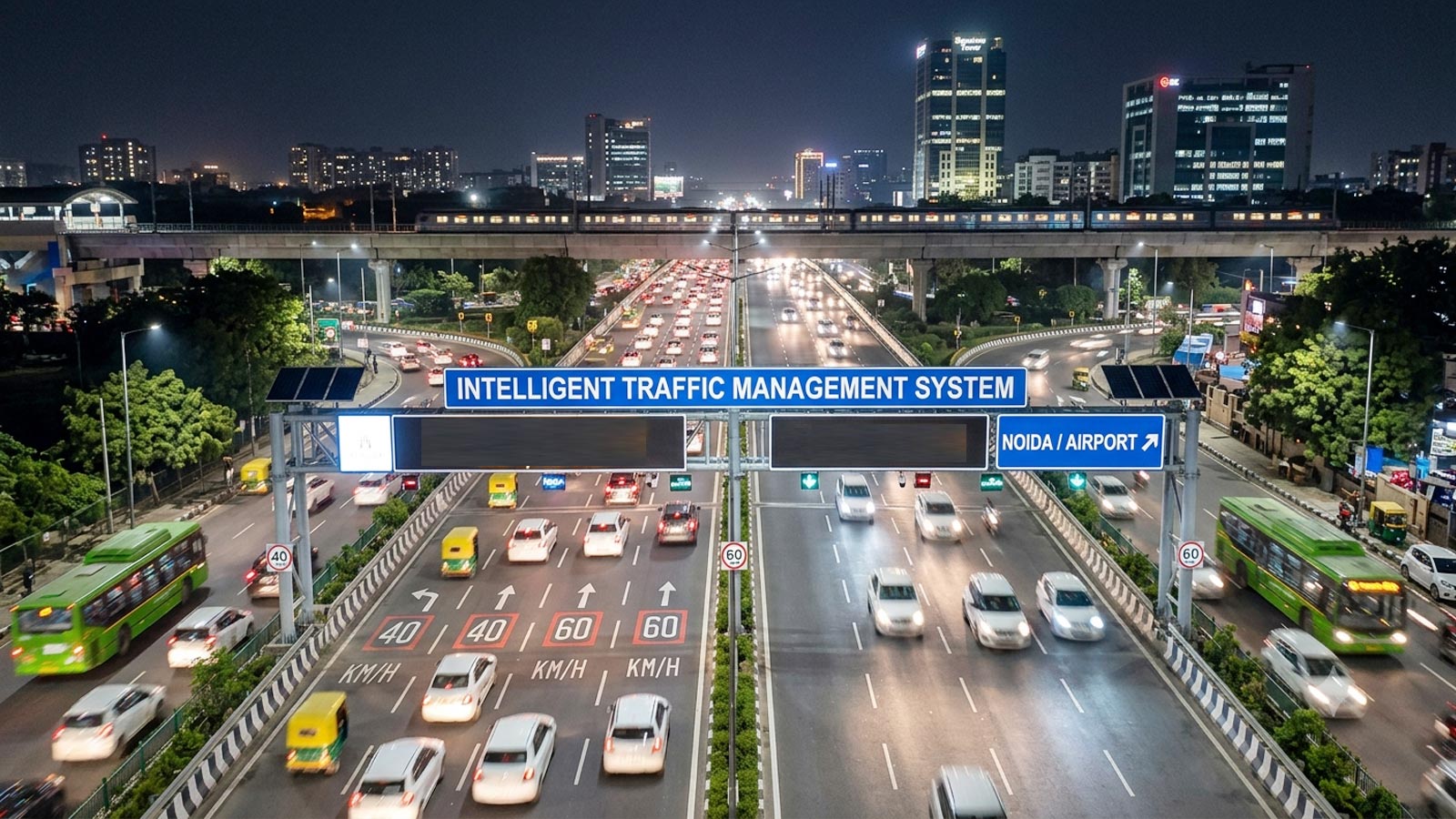
India’s rapidly growing cities are witnessing a transformation in the way people travel, with expanding public transport networks, modern infrastructure and technology-driven traffic management offering new hope for millions of daily commuters. While traffic congestion remains a major challenge in urban centres, several initiatives are helping cities move towards safer, more efficient and sustainable transportation systems. From metro rail networks and elevated corridors to intelligent traffic signals and improved road planning, India’s urban mobility landscape is evolving. These developments reflect a growing recognition that better transportation is essential not only for economic growth but also for improving the quality of life in cities. One of the most encouraging developments in India’s urban transportation sector is the expansion of metro rail services. Cities such as Delhi, Bengaluru, Mumbai, Hyderabad, Chennai and Pune have invested in metro networks to provide commuters with faster and more reliable alternatives to road travel. Delhi Metro, one of the country’s largest urban rail systems, has significantly improved connectivity across the National Capital Region. Its expanding network has made it easier for residents to travel between residential areas, commercial centres and major transport hubs. Other cities are also strengthening their public transportation infrastructure. The expansion of metro services, suburban railways and electric bus fleets is helping reduce dependence on private vehicles. As more commuters shift towards public transport, cities can make better use of existing road infrastructure while reducing pressure on busy intersections. Technology is becoming an important part of India’s efforts to improve traffic movement. Several cities are adopting intelligent traffic management systems that use cameras, sensors and digital monitoring tools to understand traffic conditions and manage congestion. Adaptive traffic signals can adjust their timing according to vehicle movement, helping improve traffic flow at busy intersections. Integrated command centres are also enabling traffic authorities to monitor road conditions and respond more quickly to accidents, breakdowns and other disruptions. Digital navigation applications have made it easier for commuters to identify congested routes and explore alternative travel options. The growing use of electronic toll collection systems, including FASTag, has also helped improve traffic movement at toll plazas by reducing the need for cash transactions. These technological developments demonstrate how better information and planning can make urban transportation more efficient. Road infrastructure continues to play an important role in India’s urban mobility plans. Flyovers, underpasses, elevated corridors and improved junctions are being developed to address congestion at important traffic bottlenecks. In Delhi, projects such as the Barapullah elevated corridor have been designed to improve connectivity between different parts of the city. Similar infrastructure initiatives across India are helping improve access to commercial districts, industrial areas and major highways. The development of ring roads and bypasses is also providing opportunities to divert throughtraffic away from crowded city centres. Better pedestrian infrastructure, cycling tracks and improved road crossings can further support safer and more balanced urban mobility. Indian cities are increasingly recognising that reducing congestion requires more than expanding road capacity. The promotion of electric buses, cycling, walking and shared transportation is becoming an important part of urban planning. Electric mobility can help reduce vehicular emissions, while reliable bus services and integrated public transport systems can provide commuters with affordable alternatives to private vehicles. Cities are also exploring improved parking management and better coordination between different modes of transportation. These measures can help create urban environments where people can travel conveniently without relying entirely on personal vehicles. Despite ongoing progress, India’s cities will need continued investment in transportation infrastructure, road safety and efficient traffic management. Better coordination between transport agencies, improved enforcement of traffic rules and greater public participation can help strengthen existing initiatives. Employers and institutions can also contribute by encouraging flexible working hours, carpooling and public transport use. India’s growing cities have an opportunity to turn their traffic challenges into an important part of their urban transformation. With smarter planning, modern infrastructure and greater emphasis on sustainable mobility, commuting can become more predictable, comfortable and environmentally responsible. The future of urban transportation will depend on creating cities where roads, public transport and technology work together. As India continues to modernise its transportation systems, these efforts can help build more connected cities and improve everyday life for millions of people.
Eight brick kiln workers died and two others were seriously injured after their minivan crashed into a roadside...

The Saryu-Kamala Express will connect Ayodhya Cantt. and Janakpur Dham through a 604-km route, improving cross-border travel for...

-Abhishek Vij On Friday, Prime Minister Narendra Modi inaugurated the Shanghai Cooperation Organization’s (SCO) first Civilizational Dialogue Forum...
India’s healthcare sector is undergoing a significant transformation, driven by expanding medical infrastructure, technological advancements, improved access to...

India’s environmental pollution has emerged as one of the country’s most pressing public health and development challenges, affecting...
India is witnessing a remarkable transformation in its technology sector, emerging as one of the world’s most dynamic...
Aries: The day will be auspicious...