Last Updated: October 10, 2026
Last Updated: October 10, 2026





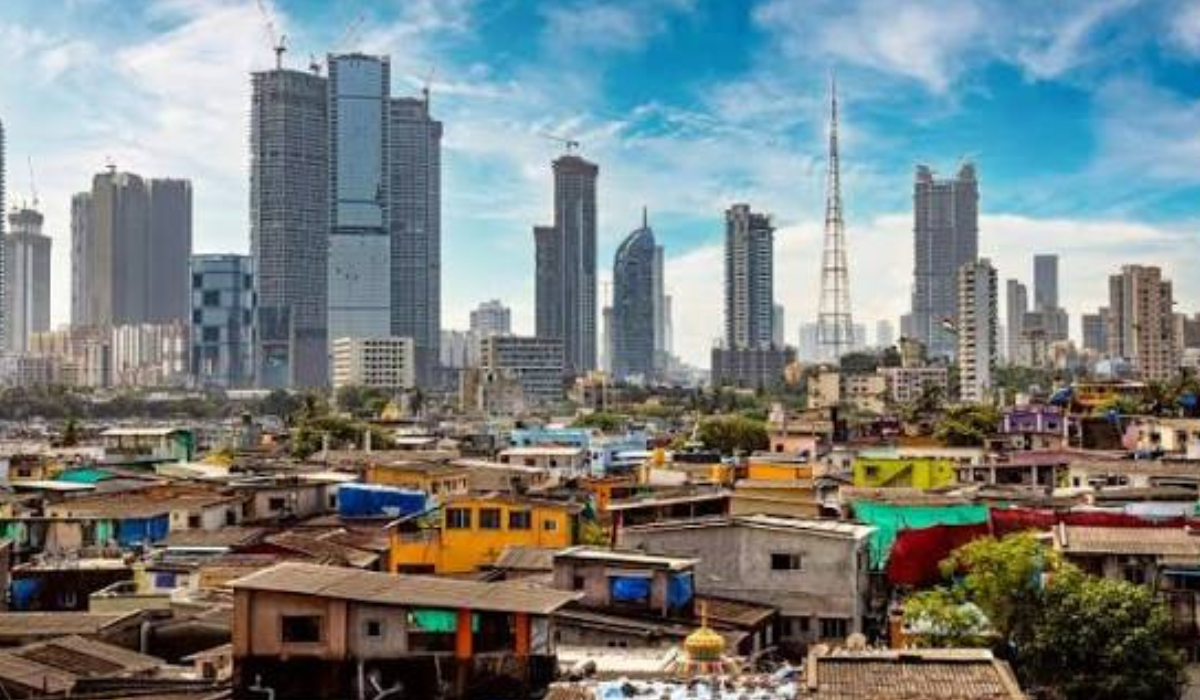
Even amidst recent global tensions and wartime conditions, India’s economic growth rate for the first quarter of 2026-27 has not faltered; instead, it has achieved an impressive 7.8 percent, positioning it as the best-performing economy globally. Economists assert that this growth rate is no fluke and predict that this stellar performance will continue through the subsequent three quarters. Prime Minister Narendra Modi has clearly stated that while the world faces crises—with supply chains disrupted by war and a lack of global stability since the COVID era—India is forging ahead rapidly. Regardless of critics spreading pessimism or repeating falsehoods, India’s future remains bright. By the time we mark 100 years of independence, we will hand over a ‘Viksit Bharat’ (Developed India) to our youth—a nation that is self-reliant and driven by the spirit of “Swadeshi.” To sustain this progress, Modi has emphasized the core mantra he has reiterated many times: “Swadeshi” and selfreliance. He urges people to avoid buying gold and traveling abroad whenever possible, and to host weddings within India rather than wasting the country’s valuable foreign exchange on overseas ceremonies. These principles form the essence of his “Vocal for Local” campaign. He believes that this mantra holds the key to achieving unprecedented success for the nation. For a long time, Modi has also been advocating for the strengthening of foundational industries to boost exports. He recognizes that different regions of the country possess unique expertise in crafting attractive products based on local specialties or traditional arts. Our goal is to transform the economy from an import-dependent one into an export-led powerhouse. By identifying specific markets for unique domestic handicrafts, we can secure sustainable demand for our exports. For instance, Jalandhar in Punjab is renowned for sports equipment, Chamba in Himachal Pradesh for traditional footwear, and Kashmir for its distinctive handicrafts. Cultivating a customer base for these products could also help curb the depreciation of India’s currency. India’s economy is currently showing positive signs. UPI transactions in the country have surged, reaching a volume of Rs 29.08 lakh crore in August. There is no reason for India to consider itself inferior to anyone; the Goods and Services Tax (GST)—implemented under the “One Nation, One Tax” scheme—is also proving successful. GST collections have risen by 14.8 percent, touching the Rs 2 lakh crore mark. This revenue can provide a vital boost to emerging startups. Alongside the growth of the private sector in India, private wealth has also increased. Currently, there are 19,000 individuals in India with a net worth exceeding Rs 25 crore, a figure projected to rise to 25,000 by 2031. The time has also arrived for the intergenerational transfer of wealth; assets worth Rs 70,000 crore are set to grow to Rs 1.05 lakh crore as they pass to the next generation. Thus, India is witnessing the emergence of the kind of “dynastic” wealthy class seen in the US—a group that serves as the foundation for sustained investment. We are not referring here to the millions of impoverished people whose economic survival has come to depend on welfare and handouts. The government advocates entering the information technology sector, where job demand has peaked over the last 18 months; however, we believe that timely changes to education and training are essential to keep pace with modern times.
Shiv Sena (UBT), through its mouthpiece Saamana, attacked the Centre over the CEC controversy and alleged unequal treatment...
Congress leader Pargat Singh has included himself among the contenders for Punjab Chief Minister, saying the state unit...
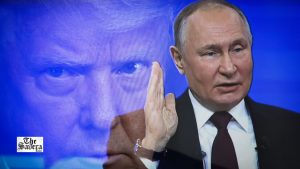
Ukrainian President Volodymyr Zelensky has criticised Donald Trump’s reported agreement to allow Russian diesel supplies to global markets,...

A 7.2-magnitude earthquake struck Panama on Friday, shaking buildings in Panama City and prompting tsunami alerts. Panama Canal...

Catch up on the top headlines with The Savera Morning Brief, bringing you the latest updates from India...

Russian President Vladimir Putin says proposed Russian oil supplies to the US could benefit the global economy following...