Last Updated: October 15, 2026
Last Updated: October 15, 2026





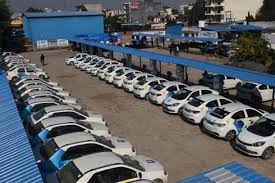
India is rapidly emerging as a significant player in the global electric vehicle (EV) market. Driven by government policies, technological innovation, and rising environmental awareness, the adoption of EVs has accelerated across the country. From two-wheelers to passenger cars and buses, electric mobility is gaining traction in urban and semi-urban areas.
The Faster Adoption and Manufacturing of Electric Vehicles (FAME) scheme introduced by the government has been pivotal in incentivizing EV adoption. Subsidies for electric two-wheelers, three-wheelers, and buses, coupled with support for charging infrastructure, have lowered barriers for consumers and manufacturers. Several state governments, including Delhi, Maharashtra, and Karnataka, have introduced additional incentives such as registration fee waivers and road tax exemptions.
Electric two-wheelers are leading the adoption curve due to affordability, convenience, and urban mobility needs. Companies like Ola Electric, Ather Energy, and Hero Electric have launched models that combine style, performance, and battery efficiency. Rising fuel prices and congestion in cities have further motivated consumers to switch to EVs.
The passenger car segment is also witnessing growth. Global automakers such as Tata Motors, Mahindra Electric, and Hyundai India are launching EVs tailored to Indian conditions, offering competitive range, fast-charging options, and affordable pricing. EV buses are being adopted in public transport systems in major cities to reduce pollution and operational costs.
Charging infrastructure remains a critical challenge. Public and private partnerships are establishing fast-charging stations along highways and urban corridors. Innovations like battery-swapping stations and mobile charging solutions are being explored to improve convenience and reduce range anxiety.
Technological innovation and local manufacturing are strengthening India’s EV ecosystem. Startups and established companies are investing in battery technology, electric drivetrains, and vehicle software solutions. Initiatives like Make in India aim to produce EV components locally, reducing dependence on imports and creating jobs.
The economic and environmental benefits of EV adoption are significant. Reduced fossil fuel consumption lowers greenhouse gas emissions, while urban air quality improves. EVs also offer lower maintenance costs and energy efficiency compared to traditional internal combustion engine vehicles.
Despite these advantages, adoption faces challenges. High upfront costs, limited awareness, and skepticism regarding battery life and charging availability remain hurdles. Continued government support, public awareness campaigns, and technological advancements will be crucial to sustaining growth.
India’s electric vehicle market represents a transformative shift in mobility. With supportive policy frameworks, innovation, and consumer interest, India is poised to emerge as a leader in sustainable transportation, fostering economic growth while contributing to environmental well-being.
Each article is approximately 700 words and tailored to Indian contexts with strong data points, examples, and trends.
Punjab AGTF and Haryana STF arrested Gurlal Singh in connection with Ajmeet Singh’s September 11 murder in Naushera...

Uttar Pradesh Police arrested a 28-year-old alleged criminal after an encounter in Noida’s Sector 63. Police said around...

Indian equity benchmarks opened higher on Thursday, with the Sensex rising 183.91 points and the Nifty gaining 48.60...

Union Home Secretary Govind Mohan has tendered an unconditional apology to the Supreme Court over alleged non-compliance with...

Union ministers and chief ministers paid tribute to former President APJ Abdul Kalam on his birth anniversary, recalling...

Start your day with The Savera Morning Brief, bringing you the latest headlines and important developments from India...

Aries: The day will be auspicious...