Last Updated: October 8, 2026
Last Updated: October 8, 2026





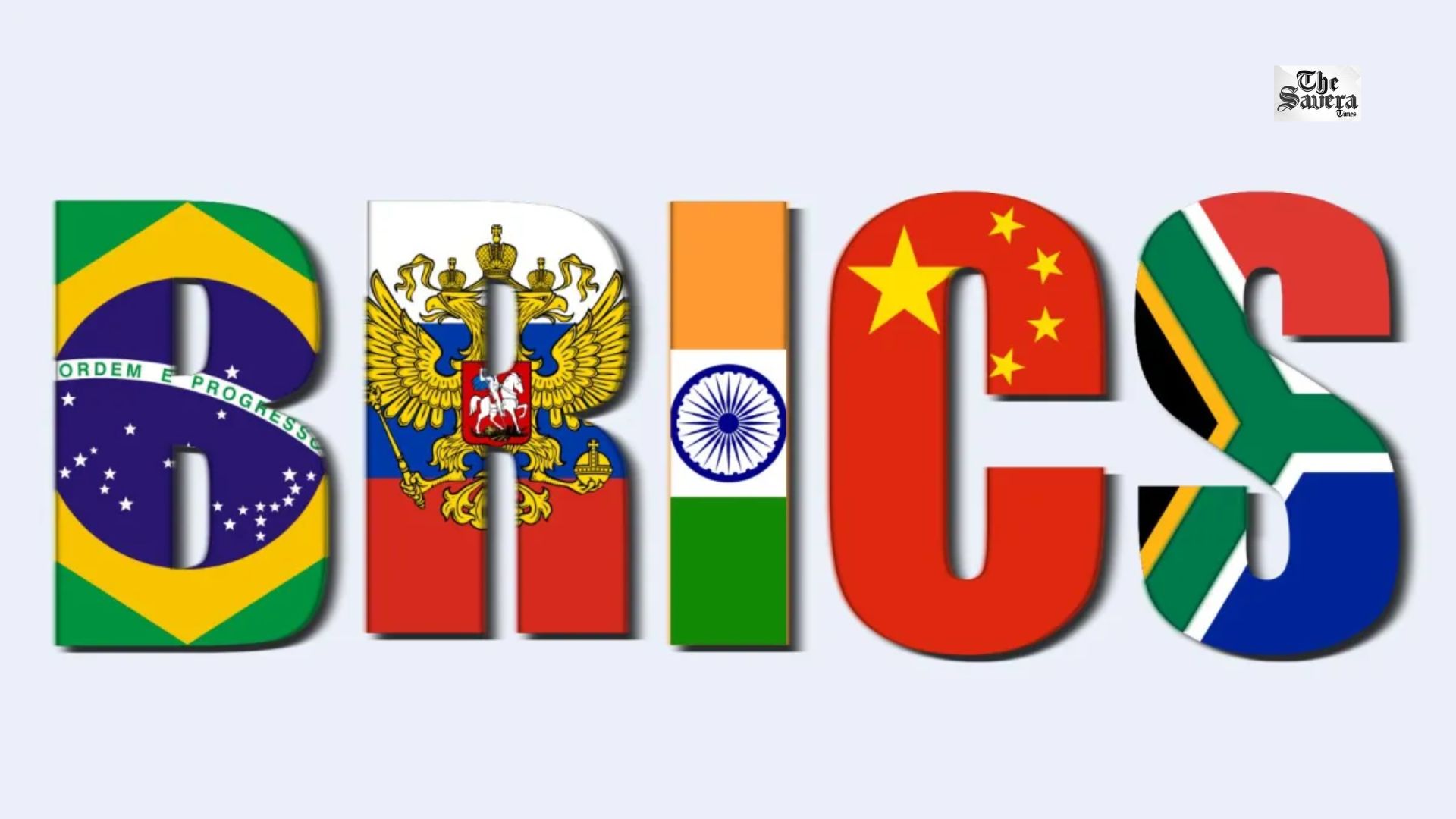
BRICS, which began as a boardroom acronym for four emerging markets, has grown into a geopolitical bloc spanning four continents as successive waves of membership pulled in oil states, African economies and Southeast Asian partners. At the centre of this expanding architecture sits India this year, chairing the grouping for a fourth time since its inception.
BRICS has emerged as a key platform for coordinating economic policy among major emerging economies. It serves as the principal forum where these nations shape a common position on global governance. Through sustained dialogue, it has become a channel for advancing the interests of the Global South within multilateral institutions.
Under its 2026 Presidency, India is set to host the 18th BRICS Summit in New Delhi on September 12–13, 2026. India’s Chairship is guided by the theme “Building for Resilience, Innovation, Cooperation and Sustainability.” The theme reflects India’s focus on strengthening existing achievements and institutional effectiveness.
Today, BRICS has expanded to 11 countries: Brazil, China, Egypt, Ethiopia, India, Indonesia, Iran, Russia, Saudi Arabia, South Africa and the UAE. Collectively, these members represent 49.5 per cent of the global population, 40 per cent of global GDP, and 26 per cent of global trade. The expansion of the bloc which took place in January 2024 was followed by the creation of a Partner Country category.
A major phase of expansion began in January 2024. Egypt, Ethiopia, Iran, Saudi Arabia and the UAE became full members. Indonesia joined as the eleventh full member in January 2025. These accessions significantly expanded BRICS’ geographical and economic reach. The expansion was accompanied by the creation of a Partner Country category. Ten countries joined this framework during 2025: Belarus, Bolivia, Cuba, Kazakhstan, Malaysia, Nigeria, Thailand, Uganda, Uzbekistan and Vietnam.
Across successive summits, BRICS cooperation has progressively expanded to encompass strategic global issues and areas of practical collaboration. Its agenda covers terrorism, climate change, food and energy security, trade and agriculture. It also addresses labour and employment, telecommunications, international finance and the global economic situation. BRICS advocates for greater representation and equity in international institutions, including the WTO and global financial architecture.
These efforts seek to make global governance more inclusive, effective and responsive to contemporary challenges.
New Delhi: Prime Minister Narendra Modi welcomed policymakers, maritime leaders, and experts from around the world to the...
New Delhi: The outlook for onion availability has strengthened considerably with robust market arrivals and the commencement of...
New Delhi: The Delhi High Court on Wednesday permitted a senior director of Vivo Mobile India to travel...
New Delhi: INDIA bloc leaders, including Leader of Opposition in the Lok Sabha Rahul Gandhi and Congress MP...

Varanasi: Uttar Pradesh Chief Minister Yogi Adityanath on Wednesday said that the state has undergone a major transformation...
Chandigarh: The Punjab Vigilance Bureau (VB) during its ongoing drive against corruption in the state, the Punjab Vigilance...
Aries: The day will be auspicious...