Last Updated: October 12, 2026
Last Updated: October 12, 2026





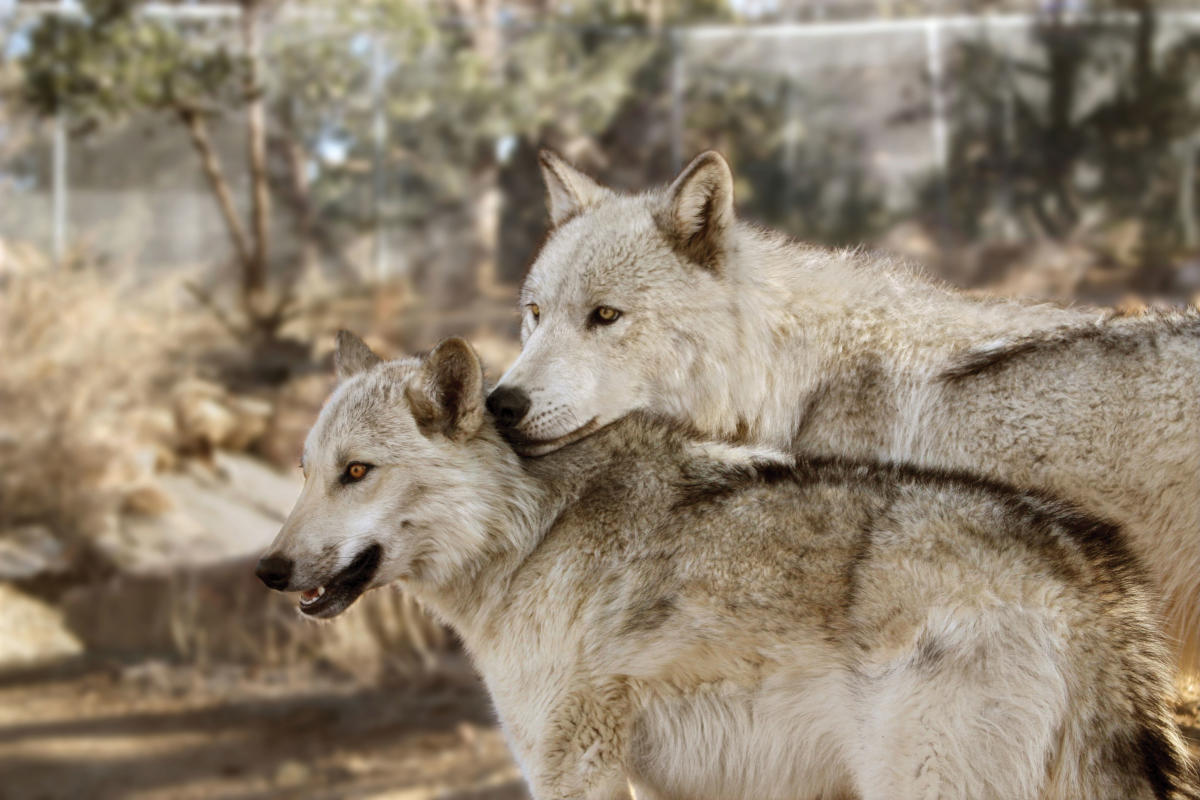
Nestled in the rugged landscapes of Jharkhand ’s Latehar district, the Mahuadanr Wolf Sanctuary is a testament to how conservation can succeed when respect for nature meets local culture. At roughly 63 square kilometers, it may not boast the grandeur of India’s tiger reserves, but it holds a singular significance: it is the nation’s first and only sanctuary dedicated entirely to the Indian grey wolf. For a country often preoccupied with charismatic megafauna, Mahuadanr is a quiet yet powerful reminder that every species, no matter how understated, deserves protection.
The story of Mahuadanr begins in 1976, when visionary forest officer S. P. Shahi saw potential in what others dismissed as wasteland. While most of the plateau was earmarked for plantations or conversion to farmland, Shahi recognized the value of the dry scrublands and open forests for wolves. He fought to preserve the area, ensuring it remained wild. Today, that foresight allows a small but growing population of Indian grey wolves to survive, a fragile yet inspiring success story in the face of widespread habitat loss.
The sanctuary’s terrain, part of the Chhota Nagpur plateau, is rugged and beautiful: rocky hills, winding streams, and dry deciduous forests that shimmer under the harsh sun. More than 80 percent of the surrounding population follows the Sarna faith, an indigenous belief system deeply connected to nature. Their traditional practices align with wildlife conservation in remarkable ways. Each winter, from November to February, Sarna communities avoid entering the forests as part of seasonal observances.
Coincidentally, this is the wolves’ denning and breeding season, allowing them to raise their pups undisturbed. Such harmony between human custom and ecological needs is rare and should serve as a model for community-led conservation. Indian grey wolves themselves are far removed from the cinematic image most associate with the species. They are small, elusive, and understated, living in tight family groups rather than large packs.
They rarely howl and hunt mainly small prey, taking shelter in caves rather than boldly roaming open plains. In the late 1970s, fewer than 50 wolves were recorded in the area; a 2024 survey estimates around 70 individuals across four packs. While modest in numbers, this increase demonstrates that with protection and community cooperation, even small populations can rebound. Yet Mahuadanr’s wolves face ongoing challenges. Habitat fragmentation from mining, shrinking grasslands, and occasional conflicts with livestock owners are constant pressures. Despite being a protected area, the sanctuary is not immune to the broader environmental threats affecting India’s wildlife. What stands out, however, is the local community’s role in mitigating these pressures.
eader of the Opposition in the Lok Sabha, Rahul Gandhi and 10 other INDIA bloc leaders have moved...

Amidst protests in central Delhi, the Delhi Metro Rail Corporation (DMRC) announced the reopening of entry and exit...

The Delhi Police has registered an FIR regarding the alleged disturbance at the Bangla Sahib Gurdwara in...

The Delhi Police on Monday removed Jantar Mantar from the list of officially designated protest sites. The police...

The Supreme Court on Monday clarified that it has not passed any judgment on the Election Commission's (ECI)...

The Kerala Assembly passed a resolution demanding the removal of Chief Election Commissioner (CEC) Gyanesh Kumar from his...

Aries: The day will be auspicious...