Last Updated: September 22, 2026
Last Updated: September 22, 2026





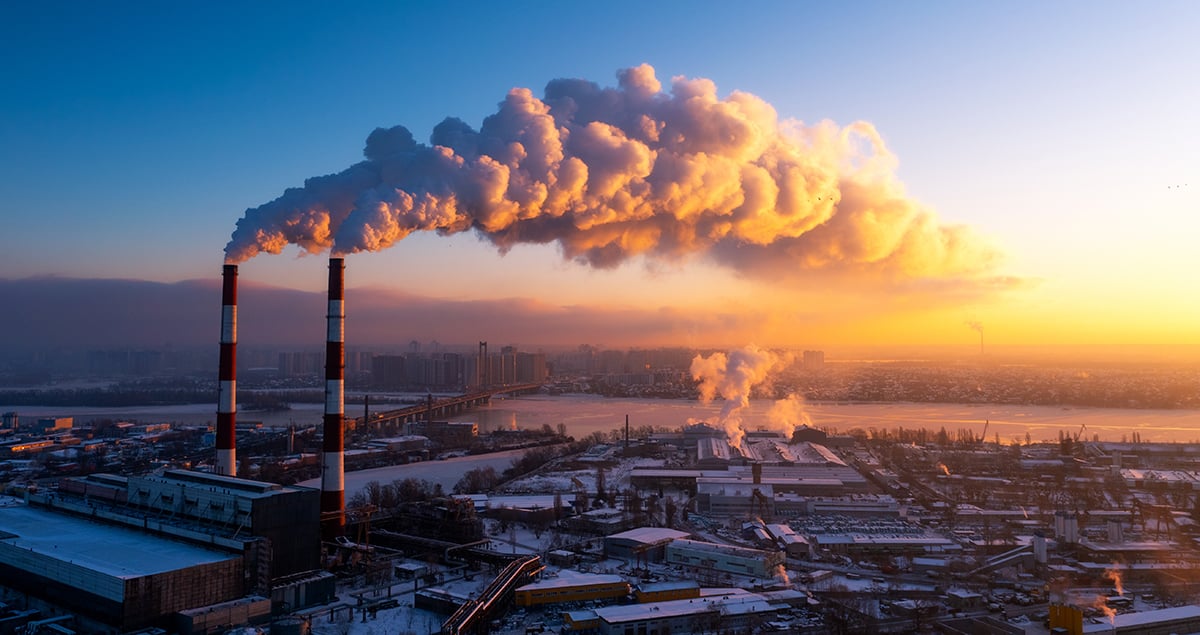
India’s power-sector emissions have fallen for only the second time in roughly 50 years, signalling a possible turning point in the country’s energy transition, a new analysis finds. The report, produced by the Centre for Research on Energy and Clean Air (CREA) for Carbon Brief, shows that power-sector carbon dioxide emissions fell by about 1 per cent year-on-year in the first half of 2025 and by 0.2 per cent over the preceding 12 months, even as overall electricity demand continued to grow.
Excluding the pandemic-related drop in 2020, this is the second recorded decline in half a century, the authors note. The decline coincided with an unprecedented surge in clean energy additions. In the first half of 2025 India added 25.1 gigawatts of new non-fossil capacity, a 69 per cent increase compared with the same period in 2024.
That new capacity is expected to generate almost 50 terawatt-hours a year, a volume that nearly matched the rise in power demand over the same period. “This is a striking signal that India’s rapid clean energy build out is beginning to bend the emissions curve,” one of the study’s authors said. Milder weather and prolonged rainfall also helped. Reduced peak demand for air conditioning and higher hydro generation left less room for coal and gas generation, so total electricity output rose while fossil-fired generation fell.
The combination of demand conditions and record renewable and nuclear build-outs kept emissions in check. The analysis cautions that gains in the power sector do not remove larger challenges. Emissions from industry, particularly steel and cement, climbed by 7–10 per cent year-on-year in the first half of 2025 as construction and infrastructure activity surged. Oil demand growth flattened after earlier strong gains. The report calls for faster industrial decarbonisation through electrification, green hydrogen and carbon capture to prevent overall emissions from continuing to rise. India also has a substantial pipeline of clean capacity.
CREA notes about 234 GW of non-fossil projects are in the pipeline, including 169 GW contracted, 145 GW under construction and 65 GW under tender, plus 5.2 GW of nuclear capacity under construction. If completed, these projects would bring India close to its 500 GW non-fossil target for 2030, leaving roughly 18 GW to reach the goal. But risks remain.
The report highlights plans for 80–100 GW of new coal capacity by 2030–32 driven by concerns over grid reliability and peak loads. Demandside uncertainty from weather and economic swings could also alter the balance between clean additions and consumption growth. Authors and analysts argue the current trend should accelerate policy support for clean power and industrial decarbonisation. The report concludes that India is on track to peak power-sector emissions before 2030 if current project completions and demand patterns hold, but sustaining and extending that achievement will require decisive action to lock in clean capacity and curb industrial emissions.
A case of alleged gang rape of a 17-year-old minor has come to light in a park near...

New Delhi: The High Commission of India in Kuala Lumpur has issued an advisory cautioning Indian nationals against...

Police in Jamui, Bihar, have initiated action against social media accounts for publicly disclosing the identity of a...

Amidst the ongoing controversy surrounding IIT Bombay Professor Suryanarayan Dula, several faculty members from IIT Bombay, IIT Delhi,...

A fire broke out in the neonatal care unit of the Rajiv Gandhi Institute of Medical Sciences (RIMS)...

Jaipur: The political tussle over the Tijara Municipal Council Chairperson election, which began on Monday morning, continued late...

Aries: The day will be auspicious...