Last Updated: October 21, 2026
Last Updated: October 21, 2026





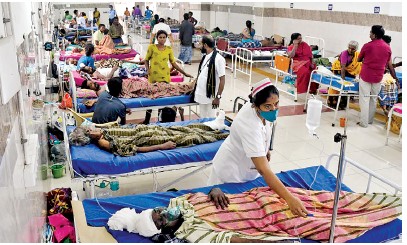
Public health in India is often discussed during crises pandemics, outbreaks, or shortages of hospital beds. Yet away from emergency headlines, a quieter transformation is taking place. Across the country, public health is gradually shifting from a hospital-centric model to one that emphasises prevention, early intervention, and community-based care. This change, though uneven, has the potential to redefine how health outcomes are achieved in a nation of over 1.4 billion people.
Traditionally, healthcare in India has been reactive. People seek medical attention only after illness strikes, often at advanced stages. This approach places enormous pressure on hospitals and increases treatment costs, while preventable conditions continue to rise. Recognising this challenge, policymakers, health workers, and local administrations are increasingly focusing on preventive healthcare nutrition, sanitation, vaccination, mental health awareness, and lifestyle interventions.
One of the most visible components of this shift is the expansion of primary healthcare infrastructure. Health and Wellness Centres, introduced under the Ayushman Bharat initiative, aim to provide comprehensive care at the grassroots level. These centres go beyond treating minor ailments; they address non-communicable diseases such as diabetes and hypertension, maternal and child health, mental health support, and basic diagnostics. By bringing services closer to communities, they reduce dependence on overcrowded tertiary hospitals.
Community health workers play a central role in this transformation. Accredited Social Health Activists (ASHAs), Auxiliary Nurse Midwives, and Anganwadi workers act as the first point of contact for millions, particularly in rural and marginalised areas. Their work—ranging from promoting institutional deliveries to tracking immunisation and nutrition—demonstrates how public health outcomes depend as much on trust and outreach as on medical technology.
Nutrition has emerged as another critical focus area. Malnutrition, both undernutrition and obesity, continues to affect large sections of the population. Programmes targeting maternal nutrition, mid-day meals, and early childhood development are increasingly viewed as health interventions rather than welfare measures. This broader understanding reflects growing awareness that long-term health outcomes are shaped early in life.Mental health, once neglected, is also gaining attention.
Awareness campaigns, helplines, and school-based interventions are helping reduce stigma and expand access to care. While the shortage of trained professionals remains a challenge, the integration of mental health services into primary care marks a significant shift from earlier approaches that treated mental health as a specialised, isolated issue. Technology has further strengthened public health systems. Digital health records, telemedicine, and mobile health applications are improving access and continuity of care, especially in remote regions. During the COVID-19 pandemic, digital platforms demonstrated their ability to scale rapidly, a lesson that continues to inform public health planning.
Despite progress, challenges remain. Regional disparities, workforce shortages, funding gaps, and infrastructure limitations persist. Urban areas often benefit faster than rural regions, and preventive care still competes with immediate curative needs for attention and resources. However, the direction of change is notable.
India’s public health evolution highlights an important lesson: sustainable health systems are built not only in hospitals but also in homes, schools, and communities. As preventive care gains ground, the focus is shifting from treating illness to sustaining well-being. This transformation may not be dramatic, but its long-term impact could be profound, shaping healthier lives and a more resilient healthcare system
Start your day with The Savera Morning Brief, bringing you the latest news from India and around the...

Union Home Minister Amit Shah will pay tribute to police martyrs at the National Police Memorial in New...
Four more people, including two women, have been arrested in the Tiger Shroff firing case. Delhi Police are...
We are very proud that at present India is the number one country in the world by surpassing...

Every investor wants the wealth-creating power of equity and the reassuring stability of debt. Balanced Advantage Funds attempt...
Tourism is a major source of government revenue in our country. There are different types of tourism. Scenic...
Aries: The day will be auspicious...