Last Updated: October 21, 2026
Last Updated: October 21, 2026





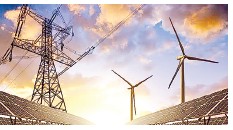
India’s renewable energy story is often told through big numbers—gigawatts added, global rankings climbed, and ambitious targets announced. But beyond the statistics lies a quieter, deeply positive transformation that is reshaping lives, livelihoods, and local economies across the country. From sunlit rooftops in small towns to wind-swept plateaus and bioenergy plants powered by farm waste, clean energy is steadily becoming part of everyday India.
One of the most visible changes has come through rooftop solar. In states such as Gujarat, Rajasthan, and Maharashtra, households are installing solar panels not only to cut electricity bills but also to gain a sense of energy independence. For middle- and lower-middle-income families, rooftop solar has turned electricity from a monthly worry into a manageable cost. Many homes now sell surplus power back to the grid, creating small but steady supplementary incomes. For women managing household budgets, this shift has been particularly empowering, offering financial predictability and control.
At the village level, solar-powered irrigation pumps are changing agriculture in meaningful ways. Farmers who once depended on erratic power supply or expensive diesel now irrigate fields more reliably. This has reduced cultivation costs and increased crop yields, especially for small and marginal farmers. In drought-prone regions, efficient solar pumps paired with micro-irrigation systems have helped conserve groundwater while sustaining farm incomes. The result is not just cleaner energy, but greater resilience in rural livelihoods.India’s wind energy sector has also matured into a stable source of jobs and local development. Wind farms in Tamil Nadu, Karnataka, and parts of Gujarat employ thousands of technicians, engineers, and maintenance workers. Importantly, many of these jobs are local, reducing migration pressures and strengthening regional economies. Roads built to access wind farms have improved connectivity for nearby villages, while land lease payments provide farmers with additional income without displacing agriculture.
Another often overlooked success is bioenergy. Across Punjab, Haryana, and Uttar Pradesh, agricultural waste that once contributed to air pollution is now being converted into compressed biogas and electricity. Crop residue management plants offer farmers an alternative to stubble burning, paying them for waste while improving air quality. This circular model—where farm byproducts fuel clean energy—demonstrates how environmental protection and economic incentives can work together.The renewable energy push has also encouraged innovation and entrepreneurship. Start-ups focused on energy storage, smart grids, and affordable solar solutions are emerging from cities like Bengaluru, Pune, and Hyderabad. Many are led by young engineers and first-generation entrepreneurs who see climate action as both a responsibility and an opportunity.
Their solutions are increasingly tailored for Indian conditions—high heat, dust, and diverse usage patterns—making clean energy more reliable and scalable.Crucially, India’s renewable transition is not only about climate goals; it is about public health and quality of life. Reduced dependence on coal and diesel means cleaner air, fewer respiratory illnesses, and lower healthcare costs over time.
For children growing up in towns adopting clean energy, this translates into healthier futures.India’s renewable energy journey is still unfolding, with challenges related to storage, grid stability, and equitable access. Yet the progress so far offers a hopeful narrative. It shows that development does not have to come at the cost of the environment, and that large-scale change can begin with simple, local solutions. In the quiet hum of solar panels and the steady turn of wind turbines, a more sustainable and optimistic future is already taking shape.
Start your day with The Savera Morning Brief, bringing you the latest news from India and around the...

Union Home Minister Amit Shah will pay tribute to police martyrs at the National Police Memorial in New...

Four more people, including two women, have been arrested in the Tiger Shroff firing case. Delhi Police are...
We are very proud that at present India is the number one country in the world by surpassing...

Every investor wants the wealth-creating power of equity and the reassuring stability of debt. Balanced Advantage Funds attempt...

Tourism is a major source of government revenue in our country. There are different types of tourism. Scenic...

Aries: The day will be auspicious...