Last Updated: October 12, 2026
Last Updated: October 12, 2026





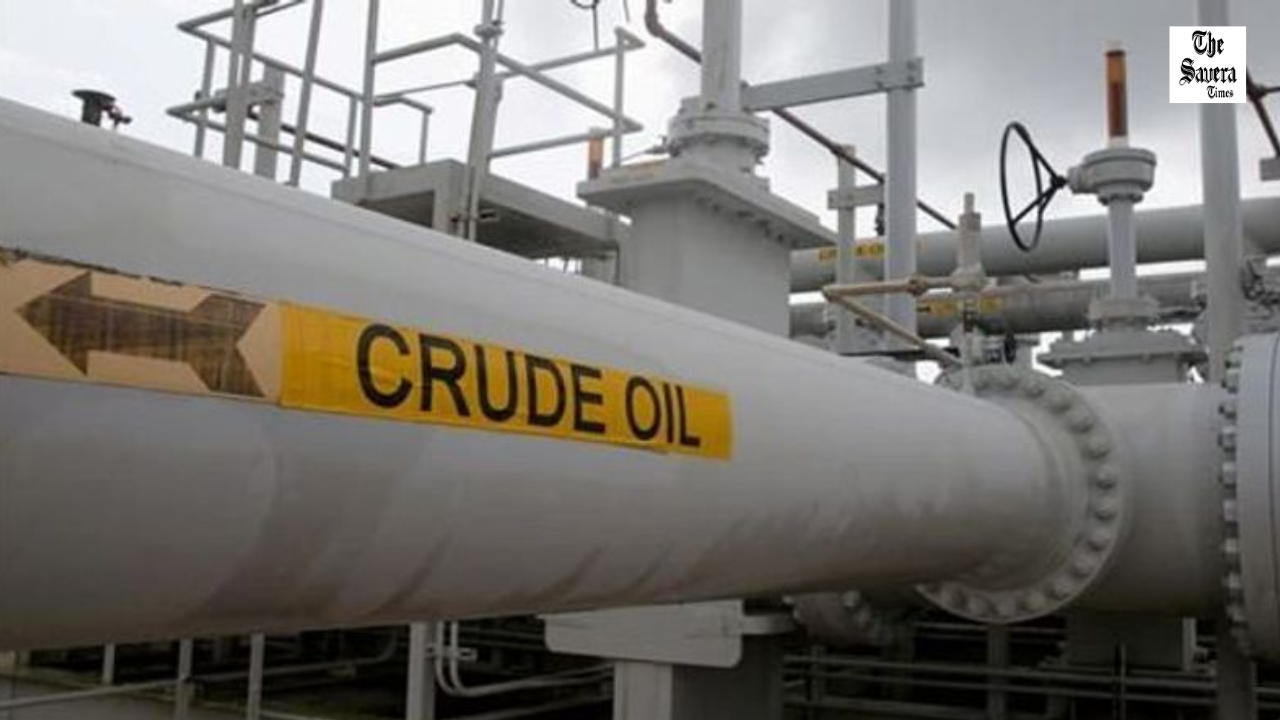
India’s crude oil purchases from Russia have been steadily declining and are expected to shrink further in the coming months, even as some imports continue due to limited alternatives, government sources said. The trend reflects the combined effect of Western sanctions, shifts in global energy trade, and strategic realignments involving New Delhi’s energy needs.
According to sources, Indian oil imports from Russia peaked at around 2.1 million barrels per day (bpd) in May 2023 but have since fallen significantly. By December 2025, imports averaged about 1.2 million bpd, and in January 2026 they declined further to approximately 1.1 million bpd. Analysts expect the figures to dip below 1 million bpd in the near future.
The reduction is tied to U.S. sanctions on major Russian exporters such as Rosneft and Lukoil, which have disrupted traditional supply chains and narrowed the pool of available suppliers for Indian refiners.
India imports about 90 % of its crude oil needs to meet domestic energy demand. Discounted Russian oil, offered at prices below global benchmarks after sanctions imposed over the Ukraine conflict, became an important source of affordable crude for Indian refiners. However, rising international pressure, including tariff negotiations with the United States, has influenced India’s willingness to gradually reduce reliance on Russian supplies.
While the Indian government has not officially banned Russian oil purchases, refiners have started realigning their procurement strategies. Some companies have paused or reduced new contracts, while others are honouring commitments already made before policy shifts.
Despite the decline, certain refiners are expected to continue importing Russian crude in the short term. For instance, Nayara Energy — which sources oil through non-sanctioned channels — is likely to maintain limited purchases because of existing contracts and the lack of immediate alternatives.
Other major players, such as Indian Oil Corp (IOC), Bharat Petroleum (BPCL), and Reliance Industries, have been adjusting their portfolios, in some cases shifting focus to other suppliers or pausing purchases temporarily.
Indian officials have emphasized that energy security remains a top priority. The Ministry of External Affairs and government sources have reiterated that decisions around oil imports are driven by national interests, price competitiveness, and stable supply not external pressures.
At the same time, India continues to diversify its crude sources, expanding imports from the Middle East, Africa, and the Americas, as refiners balance geopolitical considerations with long-term energy strategy.
Industry analysts say the trend of reduced Russian imports does not necessarily imply a complete severance of ties; instead, it reflects a short-term realignment in response to sanctions, global energy economics, and diplomatic negotiations. Russian crude is still expected to remain part of India’s oil import mix, albeit at lower volumes than in the past.
As global energy markets evolve and major powers negotiate trade and security agreements, India’s approach to balancing affordability, supply security, and geopolitics will continue to shape its crude import strategy.
Good Evening Viewers! Stay updated with The Savera Times Evening Bulletin for the latest news from Punjab, India...

A shooting occurred at a school in the French city of Aubagne on Monday.

eader of the Opposition in the Lok Sabha, Rahul Gandhi and 10 other INDIA bloc leaders have moved...

Amidst protests in central Delhi, the Delhi Metro Rail Corporation (DMRC) announced the reopening of entry and exit...

A Pakistani Army training aircraft crashed near Quetta, the capital of Pakistan's Balochistan province, on Monday.
The Delhi Police has registered an FIR regarding the alleged disturbance at the Bangla Sahib Gurdwara in...
Aries: The day will be auspicious...