Last Updated: October 12, 2026
Last Updated: October 12, 2026





India has witnessed an unprecedented surge in entrepreneurial activity over the past decade, establishing itself as the world’s third-largest startup ecosystem. From technology-driven solutions to innovative products and services in healthcare, agriculture, and education, Indian startups are transforming the economic and social landscape.
As of 2025, India boasts over 120,000 startups, with more than 120 recognized as unicorns—companies valued at over $1 billion. Bengaluru, often dubbed India’s “Silicon Valley,” leads in technology startups, while cities like Hyderabad, Pune, and Gurugram are emerging as significant innovation hubs. Government initiatives, such as the Startup India program and the Atal Innovation Mission, provide mentorship, funding, and incubation support, creating a fertile environment for entrepreneurship.
Startups are making an impact in multiple sectors. In healthcare, companies are leveraging artificial intelligence and telemedicine to expand access to quality medical care in rural areas. Agricultural startups are assisting farmers with precision farming, soil health monitoring, and direct-market linkages, improving income and sustainability. Edtech startups are revolutionizing education by providing affordable online learning tools and platforms, reaching students in the remotest corners of the country.Funding and venture capital have played a crucial role in the growth of India’s startup ecosystem. Domestic and international investors are increasingly confident in Indian startups, with investments reaching record levels annually. This capital infusion is enabling startups to scale operations, develop cutting-edge technologies, and explore global markets.
The social impact of startups is equally notable. Startups focusing on clean energy, water management, and waste reduction are contributing to India’s sustainability goals. Technology-driven solutions in financial services are fostering financial inclusion, empowering millions of Indians to access banking and insurance facilities. Moreover, startups are generating significant employment, particularly for youth, promoting economic growth and reducing migration pressures on urban centers.
India’s startup ecosystem is also fostering a culture of innovation, risk-taking, and collaboration. Hackathons, startup festivals, and innovation challenges encourage young entrepreneurs to pursue creative solutions to pressing challenges. Collaborative workspaces and incubators provide mentoring and networking opportunities, nurturing the next generation of business leaders.
Looking forward, India’s startup journey is poised for further acceleration. Emerging sectors like space technology, quantum computing, renewable energy, and biotech present vast opportunities. With continuous policy support, enhanced access to capital, and a culture of innovation, India is likely to cement its position as a global startup powerhouse.
In conclusion, Indian startups are more than just businesses—they are agents of change. They drive innovation, create jobs, improve social outcomes, and contribute to economic resilience. The synergy of government initiatives, investor confidence, and entrepreneurial talent positions India as a beacon of innovation and optimism on the global stage.
The Delhi Police has registered an FIR regarding the alleged disturbance at the Bangla Sahib Gurdwara in...

The Delhi Police on Monday removed Jantar Mantar from the list of officially designated protest sites. The police...

The Supreme Court on Monday clarified that it has not passed any judgment on the Election Commission's (ECI)...

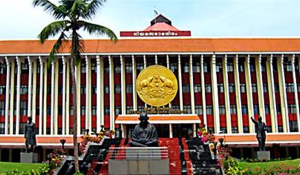
The Kerala Assembly passed a resolution demanding the removal of Chief Election Commissioner (CEC) Gyanesh Kumar from his...
Amidst heavy security and barricades by the Delhi Police, INDIA Bloc leaders began a protest march towards the...

The Reserve Bank of India (RBI)'s new measures to curb speculation in the rupee and maintain stability in...