Last Updated: October 21, 2026
Last Updated: October 21, 2026





-Abhishek Vij
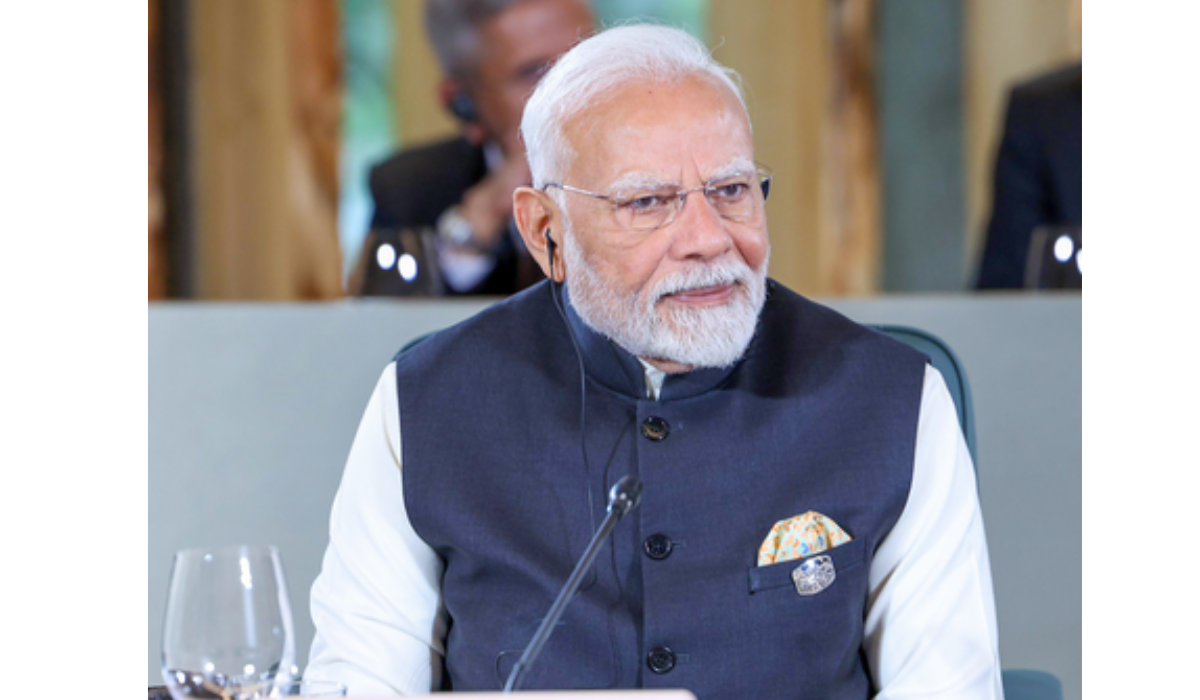
In A G-7 summit was held in France after a gap of 16 months. Several global leaders participated, including US President Donald Trump, Indian Prime Minister Narendra Modi, Italian Prime Minister Giorgia Meloni, German Chancellor Friedrich Merz, British Prime Minister Keir Starmer, and Canadian Prime Minister Mark Carney. From India’s perspective, a key highlight of the summit was Prime Minister Modi raising the issue of the deaths of three sailors in an attack on an Indian commercial vessel in the Strait of Hormuz; he conveyed a clear message that maritime routes must remain safe for seafarers. It is noteworthy that while the US is being accused of the attack on the Indian sailors, the US itself holds Iran responsible for the incident. Modi stated clearly that for trade with Gulf nations to continue, the route through the Strait of Hormuz must be free of danger for container ships and commercial vessels. Global trade routes should not be used as a tool of war. During the summit, a bilateral meeting also took place between Prime Minister Modi and US President Donald Trump. Modi emphasized that the safety of Indian sailors must be prioritized when dealing with Iran.
Trump praised Prime Minister Modi, calling him a friend, and remarked that as long as Modi remains the leader, India will continue to play a prominent role on the global stage. The two leaders also discussed an India-US trade deal. Trump stated that they are working on a trade deal with India and that significant developments are expected in the India-US relationship. It is worth noting that negotiations for the trade deal began when Trump first assumed office and are still ongoing. Indian Commerce Minister Piyush Goyal has stated that following the trade deal, India’s trade with the US will expand significantly, and US tariff rates applicable to India will become much lower and more manageable. Trump’s stance has consistently been to speak of trade deals and the reduction of high tariffs imposed on India, while simultaneously declaring that an additional 12.50 percent tariff would be levied on Indian domestic products if bonded labor is used in their manufacture. Trump has leveled this allegation against both India and China, and both nations have categorically denied it. The G-7 summit could serve as a platform to urge the US to adopt prudent tariff policies.
Furthermore, India expects to benefit from advantageous capital investment policies involving developing nations. A repeat of the recent scenario— triggered by the conflict between the US and Iran in West Asia—must be avoided; that situation saw disruptions in the supply of crude oil, gas, and fertilizers, causing the Indian stock market to crash and leading to a massive flight of foreign capital from the country. Many Indian investors have now begun investing capital abroad. Major corporations from prosperous nations should not view India merely as a market to offload their products; instead, they should invest within the country. If foreign investment is encouraged alongside product sales, the outflow of foreign capital would be stemmed. If the G-7 summit conveys the message to the US and other nations that India—rather than locations like Lancashire or New York—should be the hub for their foreign investments, the situation would shift significantly in India’s favor
Start your day with The Savera Morning Brief, bringing you the latest news from India and around the...

Union Home Minister Amit Shah will pay tribute to police martyrs at the National Police Memorial in New...
Four more people, including two women, have been arrested in the Tiger Shroff firing case. Delhi Police are...
We are very proud that at present India is the number one country in the world by surpassing...
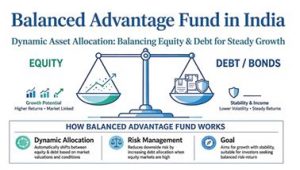
Every investor wants the wealth-creating power of equity and the reassuring stability of debt. Balanced Advantage Funds attempt...
Tourism is a major source of government revenue in our country. There are different types of tourism. Scenic...
Aries: The day will be auspicious...