Last Updated: October 13, 2026
Last Updated: October 13, 2026





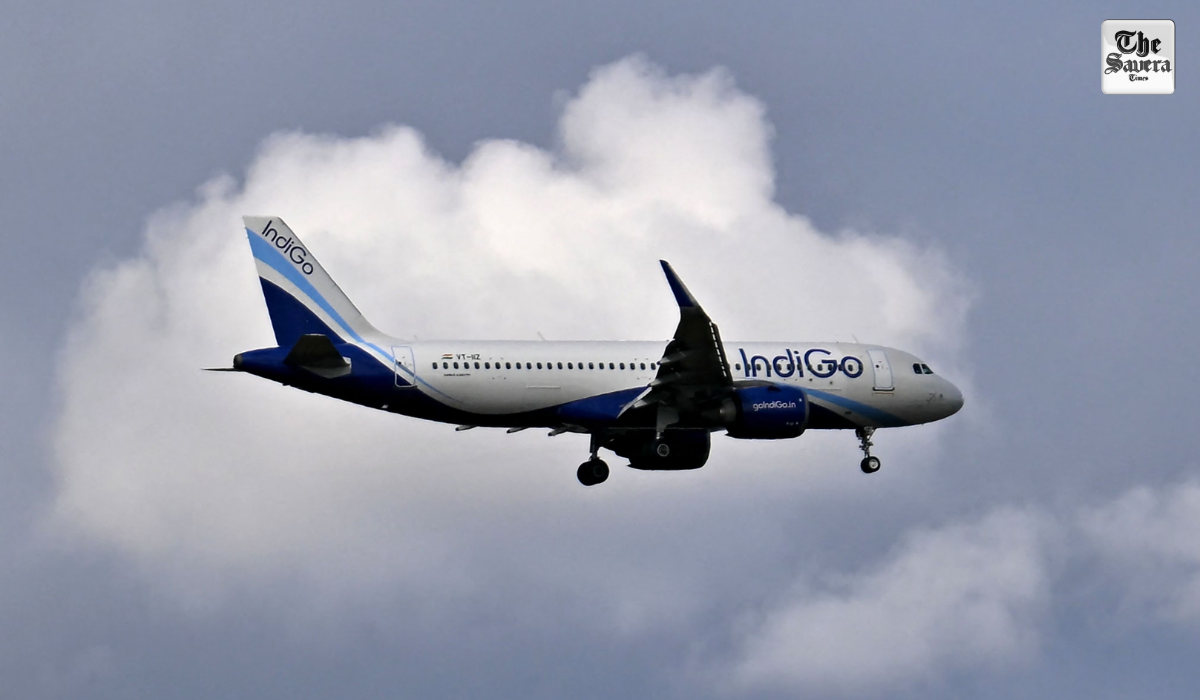
IndiGo is facing intensified government action as the airline continues to struggle with large-scale disruptions triggered by widespread flight cancellations across the country. The crisis, which began last week with thousands of flights being grounded, has persisted into this week. On December 10 alone, more than 70 additional flights were suspended, leaving passengers frustrated and prompting the Centre to impose stricter measures on the country’s largest airline.
The situation escalated after the Directorate General of Civil Aviation reduced IndiGo’s winter schedule by five per cent. Soon after, the Ministry of Civil Aviation ordered an additional five per cent cut, effectively curtailing IndiGo’s winter operations by 10 per cent. This combined reduction is expected to result in nearly 216 fewer flights every day. With IndiGo operating more than 2,300 flights daily, the scale of disruption has raised questions about how the gap will be filled and which carriers will step in to accommodate displaced passengers.
Union Aviation Minister Ram Mohan Naidu announced the government’s decision on Tuesday, stating that the reduction was necessary to stabilise IndiGo’s operations and prevent further cancellations. He emphasised that even under a curtailed schedule, the airline must continue serving all its existing destinations. The decision followed a meeting between the minister and IndiGo CEO Pieter Elbers, called after the airline cancelled over 5,000 flights since November.
The cancellations stem from IndiGo’s inability to adapt to new crew-rostering rules introduced this year. These rules mandate longer rest periods for pilots and cabin crew, a change implemented to address fatigue concerns and safety standards. IndiGo acknowledged that the disruptions were caused by a “compounding effect of multiple factors” that converged in what it described as an unfortunate and unforeseeable situation.
Despite the operational challenges, IndiGo entered the winter schedule with expanded capacity. For the summer season, the airline had been approved to operate 14,158 weekly domestic flights. This was increased by six per cent for the winter season beginning on October 26, raising the total to 15,014 weekly domestic flights. However, the carrier appears unable to sustain this expansion under the new regulatory framework and staffing limitations.
Industry sources told the Times of India that IndiGo may need to operate between 1,800 and 1,900 fewer flights during the winter schedule. This implies a reduction of nearly 500 flights per day until operations stabilise. The DGCA had earlier issued instructions to reduce IndiGo’s operations across sectors, particularly on high-frequency routes, and discourage single-flight operations on any route by IndiGo to ensure that disruptions do not leave sectors unserved.
The sharp reduction in operations has prompted the aviation sector to examine whether other airlines can absorb the displaced passenger load. The 10 per cent cut in IndiGo’s schedule equates to the combined daily operations of carriers like Akasa and SpiceJet. With IndiGo commanding nearly 60 per cent of the domestic aviation market, the redistribution of its curtailed capacity requires careful coordination.
According to sources cited by India Today, the Ministry of Civil Aviation plans to allocate IndiGo’s reduced share among Air India, SpiceJet, Akasa Air, and other reliable operators. The redistribution will consider each airline’s existing fleet, operational strength, and capacity to operate without adding further cancellations to the system. Officials are keen to ensure that any airline stepping in to fill the gap does not face operational stress similar to IndiGo.
SpiceJet has already moved to capitalise on the opportunity created by IndiGo’s disruptions. The airline has announced plans to increase up to 100 daily flights in its winter schedule, although this expansion is subject to regulatory approval. SpiceJet told the Economic Times that the proposed increase reflects robust demand on key routes. The carrier said that the additional flights would provide flexibility to deploy more capacity on high-demand routes and strengthen overall network resilience.
For passengers, the cascading effect of IndiGo’s cancellations has resulted in overcrowded airports, soaring ticket prices, and limited availability on major routes. Travel agents have reported a surge in fares, especially on last-minute bookings, as airlines scramble to adjust schedules.
The ongoing disruptions have also sparked broader questions about airline preparedness and the impact of regulatory changes on carrier operations. With IndiGo serving a vast share of India’s domestic network, any instability in its operations affects the entire aviation ecosystem.
As airlines await clarity on reallocation and regulatory permissions, industry analysts say the next few weeks will be crucial in determining whether India’s aviation sector can absorb the sudden strain without further inconveniencing passengers.
Good Evening Viewers! Stay updated with The Savera Times Evening Bulletin for the latest news from Punjab, India...

eader of the Opposition in the Lok Sabha, Rahul Gandhi and 10 other INDIA bloc leaders have moved...

Amidst protests in central Delhi, the Delhi Metro Rail Corporation (DMRC) announced the reopening of entry and exit...
The Delhi Police has registered an FIR regarding the alleged disturbance at the Bangla Sahib Gurdwara in...
The Delhi Police on Monday removed Jantar Mantar from the list of officially designated protest sites. The police...
The Supreme Court on Monday clarified that it has not passed any judgment on the Election Commission's (ECI)...
Aries: The day will be auspicious...