Last Updated: October 24, 2026
Last Updated: October 24, 2026





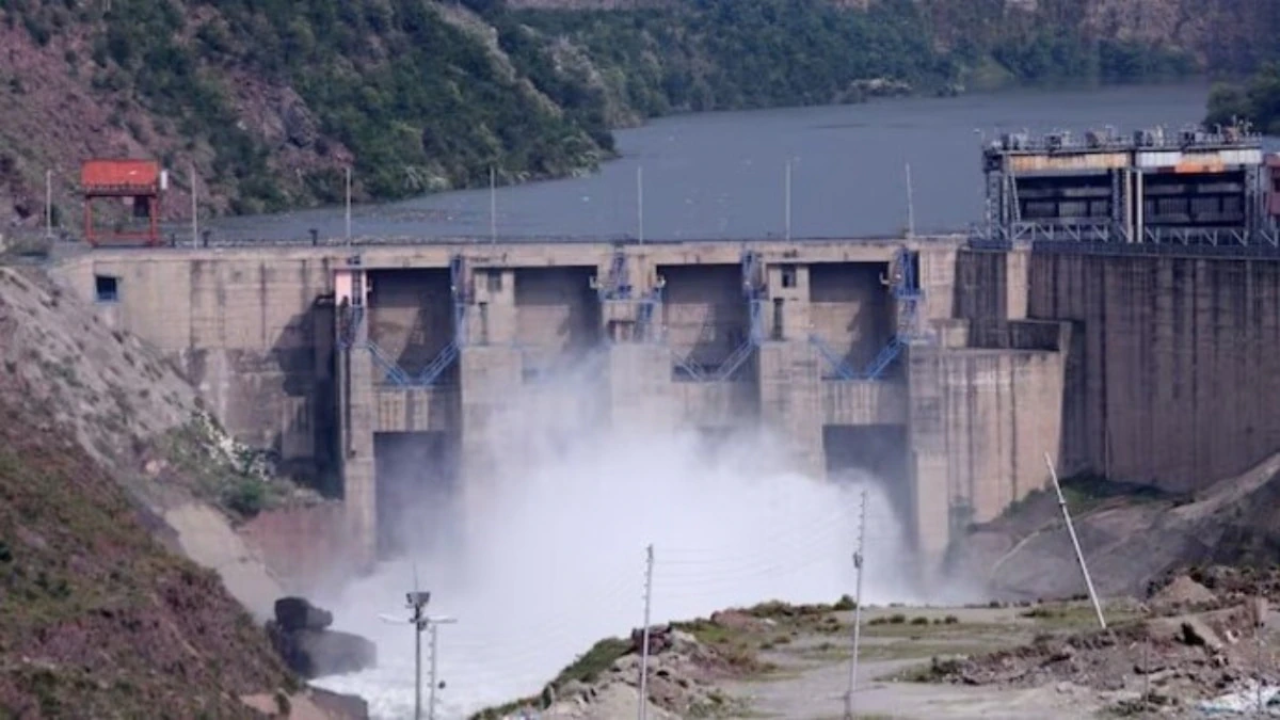
Kabul: Months after India put the Indus Water Treaty in abeyance in response to the Pakistan-sponsored terror attack in Pahalgam on April 22, Afghanistan has now announced its plans to build dams on the Kunar River “as soon as possible,” a move that could further heighten tensions in Islamabad.
Taking to X, Muhajer Farahi, Taliban’s Deputy Information Minister, said, “His Eminence Amir al-Mu’mineen (referring to Taliban Supreme Leader Mawlawi Hibatullah Akhundzada), may God protect him, has instructed the Ministry of Water and Energy to begin construction of dams on the Kunar River as soon as possible and to sign contracts with domestic companies and not wait for foreign companies.”
This announcement comes just days after a ceasefire was brokered between the two countries following days of hostilities.
The Strategic Importance of the Kunar River
The Chitral River, known in Afghanistan as the Kunar River, is a 480-kilometre-long river flowing through northern Pakistan and eastern Afghanistan. It originates from the Chiantar glacier at the border of Gilgit Baltistan and Chitral in Pakistan.
At Arandu, it enters Afghanistan, where it becomes the Kunar River, later merging with the Kabul River in Nangarhar Province. The river system is fed by melting glaciers and snow from the Hindu Kush mountains.
Strained Kabul-Islamabad Relations
Relations between Kabul and Islamabad have remained tense, with frequent clashes along the Durand Line in recent weeks. Afghanistan’s Foreign Minister Amir Khan Muttaqi’s week-long visit to New Delhi beginning October 9 was viewed with hostility by the Pakistani establishment, and on the very first day of his visit, Kabul witnessed drone attacks.
Pakistan has accused the Taliban leadership of sheltering and aiding Tehreek-e-Taliban Pakistan (TTP) militants, which has become a major security concern, leading to multiple attacks on Pakistan Army personnel.
Since assuming power in 2021, the Taliban government has repeatedly stressed the importance of water sovereignty, prioritising control over its transboundary rivers.
No Water Treaty Between Pakistan and Afghanistan
It is pertinent to note that there is no formal water-sharing agreement between Afghanistan and Pakistan. “Of the nine rivers that flow across the border, none possess a formal agreement or mechanism to manage shared water resources,” stated the International Water Management Institute.
In the past, Pakistan has raised concerns over Afghanistan’s plans for water resource management, and the latest announcement regarding the Kunar River dams is expected to add another layer of tension to the already fragile relationship between the two neighbours.
The Indian Army on Friday rejected claims on social media that the Army had taken action against the...

Abdul Majid Hakim Elahi, Iran's Supreme Leader's representative and senior diplomat, said on Friday that the US has...

New York, USA: The New York City Council has passed a law to ban horse-drawn carriages, naming the...

Washington: US President Donald Trump suggested that further military action against Iran remained possible, while acknowledging that the...

Lhasa: Sixteen people were killed and 32 others injured after a 7.0-magnitude earthquake struck Tibet on Thursday, according...

More than two weeks after the Yemeni government launched a major offensive against the Houthi group, front lines...
Aries: The day will be auspicious...