Last Updated: October 21, 2026
Last Updated: October 21, 2026





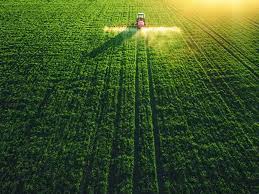
Agriculture, the backbone of food security and rural livelihoods, is undergoing rapid transformation through technological innovation and sustainable practices. As global populations grow and environmental pressures intensify, modern farming techniques are critical to meet rising demands while conserving natural resources.
Precision agriculture is at the forefront of innovation. Using GPS, drones, sensors, and data analytics, farmers can monitor crop health, soil quality, and water usage with high accuracy. This technology reduces waste, increases yields, and optimizes input usage. Automated irrigation systems, guided by real-time soil moisture data, ensure efficient water distribution, crucial in regions facing scarcity.
Organic and regenerative farming practices are gaining popularity for environmental sustainability. These methods focus on soil health, biodiversity, and ecosystem balance. Techniques such as crop rotation, cover cropping, and minimal tillage improve soil fertility and reduce dependency on chemical fertilizers. Integrating livestock and plant production systems enhances nutrient cycling and diversifies farm income.
Agri-biotechnology contributes significantly to crop improvement. Genetically improved seeds, pest-resistant varieties, and drought-tolerant plants enable farmers to withstand adverse climatic conditions. Innovations in vertical farming and hydroponics allow crop cultivation in urban areas or land-limited regions, making food production more localized and resilient.
Digital platforms are connecting farmers to markets, information, and financial services. Mobile apps provide weather updates, price trends, and expert advice, empowering farmers to make informed decisions. E-commerce platforms enable direct sales, reducing dependency on intermediaries and improving profitability. Similarly, financial inclusion through crop insurance and credit facilities mitigates risks associated with unpredictable weather and market fluctuations.
Sustainability in agriculture also involves reducing post-harvest losses. Cold storage, better packaging, and supply chain optimization ensure that produce reaches consumers without spoilage. This efficiency not only improves profitability but also addresses global food waste, contributing to environmental conservation.
Despite progress, challenges remain. Small-scale farmers often face barriers in adopting new technologies due to high costs, lack of knowledge, or infrastructure gaps. Policy support, extension services, and community engagement are essential to scale innovations effectively. Collaborative approaches between governments, research institutions, and private enterprises can bridge these gaps and create a resilient agricultural ecosystem.
In conclusion, agriculture is evolving from traditional practices to technologically advanced, sustainable systems. By integrating precision tools, biotechnology, digital platforms, and environmentally responsible practices, farmers can achieve higher productivity, environmental stewardship, and economic stability. Innovations in agriculture are not just about producing food but also about creating sustainable livelihoods and resilient communities for the future.
Agriculture today is increasingly defined by innovation, sustainability, and productivity. Mechanization and automation are transforming traditional cultivation methods, making farming more efficient and less labor-intensive. Advanced irrigation systems such as drip, sprinkler, and microirrigation techniques ensure optimal water use, while improved fertilization and nutrient-management practices enhance soil health. Harvesting technologies and smart farming tools contribute to higher efficiency and better crop outcomes.
Sustainable approaches such as agroforestry, agroecology, composting, and biodiversity conservation are strengthening environmental resilience. Climate-smart agriculture and climate adaptation strategies help farmers respond to unpredictable weather patterns.
We are very proud that at present India is the number one country in the world by surpassing...

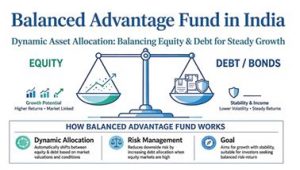
Every investor wants the wealth-creating power of equity and the reassuring stability of debt. Balanced Advantage Funds attempt...
Tourism is a major source of government revenue in our country. There are different types of tourism. Scenic...

Good Evening Viewers! Catch up on the day's biggest stories with The Savera Times Evening Bulletin. Get the...

Congress leaders continued their protest outside the Jaipur Police Commissionerate on Tuesday, demanding the registration of a zero...

On the auspicious occasion of Vijayadashami, Prime Minister Narendra Modi on Tuesday called on the countrymen to unite...

Aries: The day will be auspicious...