Last Updated: October 21, 2026
Last Updated: October 21, 2026





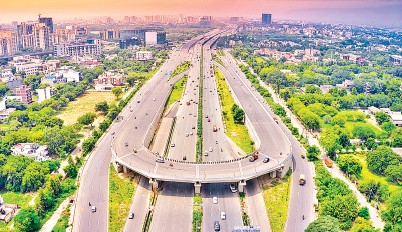
India’s infrastructure story is entering a decisive phase, shaped not only by scale but by coordination, predictability, and long-term vision. Integrated governance—where ministries, states, public sector institutions, and private stakeholders work through shared frameworks—has emerged as a defining force behind this transformation. Together, these systems are redefining how India plans, builds, and delivers infrastructure, creating confidence across sectors and regions.
At the heart of integrated governance is alignment. Large infrastructure projects often involve multiple agencies responsible for land acquisition, environment clearance, financing, and execution. Earlier, fragmented decision-making slowed outcomes. Today, coordinated platforms and inter-ministerial mechanisms are reducing overlaps and delays, ensuring that projects move forward with clarity and shared accountability. This alignment is helping India deliver infrastructure with greater certainty and consistency.
One of the most visible outcomes of this approach is the accelerated delivery of transport networks. National highways, expressways, rail corridors, ports, and airports are now planned as part of a unified logistics ecosystem rather than isolated assets.
This integration allows freight and passenger movement to become faster, safer, and more cost-efficient. For businesses, farmers, and everyday commuters, these improvements translate into tangible gains in productivity and access.
Digital governance has further strengthened this shift. Technology-enabled monitoring systems now track project progress in real time, offering policymakers early warnings and data-driven insights. Dashboards, geospatial mapping, and centralized portals enhance transparency while empowering administrators to resolve issues proactively. As a result, infrastructure execution is increasingly predictable, strengthening investor confidence and public trust alike.
Integrated governance has also improved financial discipline. By linking planning with funding cycles and outcome measurement, India has ensured that capital expenditure is deployed strategically. Public-private partnerships benefit from clearer risk-sharing frameworks and faster approvals, while public investments gain from better sequencing and prioritization. This fiscal coherence supports long-term sustainability while enabling rapid expansion.
Equally significant is the role of states within this framework. Cooperative federalism has allowed state governments to align local priorities with national infrastructure goals. States are now co-creators rather than passive implementers, adapting central programs to regional needs. This shared ownership has improved execution quality and encouraged innovation at the grassroots level.
Social inclusion is another area where integrated governance has made meaningful strides. Infrastructure projects increasingly incorporate local employment, skill development, and community participation. Roads connect remote habitations, digital networks extend public services, and renewable energy projects bring reliable power to underserved regions. By embedding social outcomes into infrastructure planning, India ensures that growth remains broad-based and inclusive.Environmental sustainability has also benefited from coordinated decision-making. Unified clearance mechanisms allow environmental safeguards to be addressed early rather than as afterthoughts. Renewable energy corridors, green transport initiatives, and climate-resilient infrastructure demonstrate how development and sustainability can progress together. Integrated governance helps balance growth ambitions with ecological responsibility.
Perhaps the most powerful outcome of this model is confidence—confidence among citizens that projects will be completed, among investors that policies will remain stable, and among institutions that collaboration yields results. This confidence fuels momentum, enabling India to plan bigger and deliver faster without sacrificing quality.
As India continues its journey toward becoming a global economic powerhouse, integrated governance will remain a central pillar. By harmonizing institutions, leveraging technology, and fostering cooperation across levels of government, India is not just building infrastructure—it is building certainty. This approach positions the country to meet future demands with resilience, efficiency, and optimism.
Start your day with The Savera Morning Brief, bringing you the latest news from India and around the...

Union Home Minister Amit Shah will pay tribute to police martyrs at the National Police Memorial in New...

Four more people, including two women, have been arrested in the Tiger Shroff firing case. Delhi Police are...

We are very proud that at present India is the number one country in the world by surpassing...

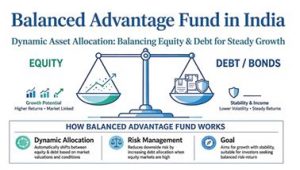
Every investor wants the wealth-creating power of equity and the reassuring stability of debt. Balanced Advantage Funds attempt...
Tourism is a major source of government revenue in our country. There are different types of tourism. Scenic...

Aries: The day will be auspicious...