Last Updated: October 21, 2026
Last Updated: October 21, 2026





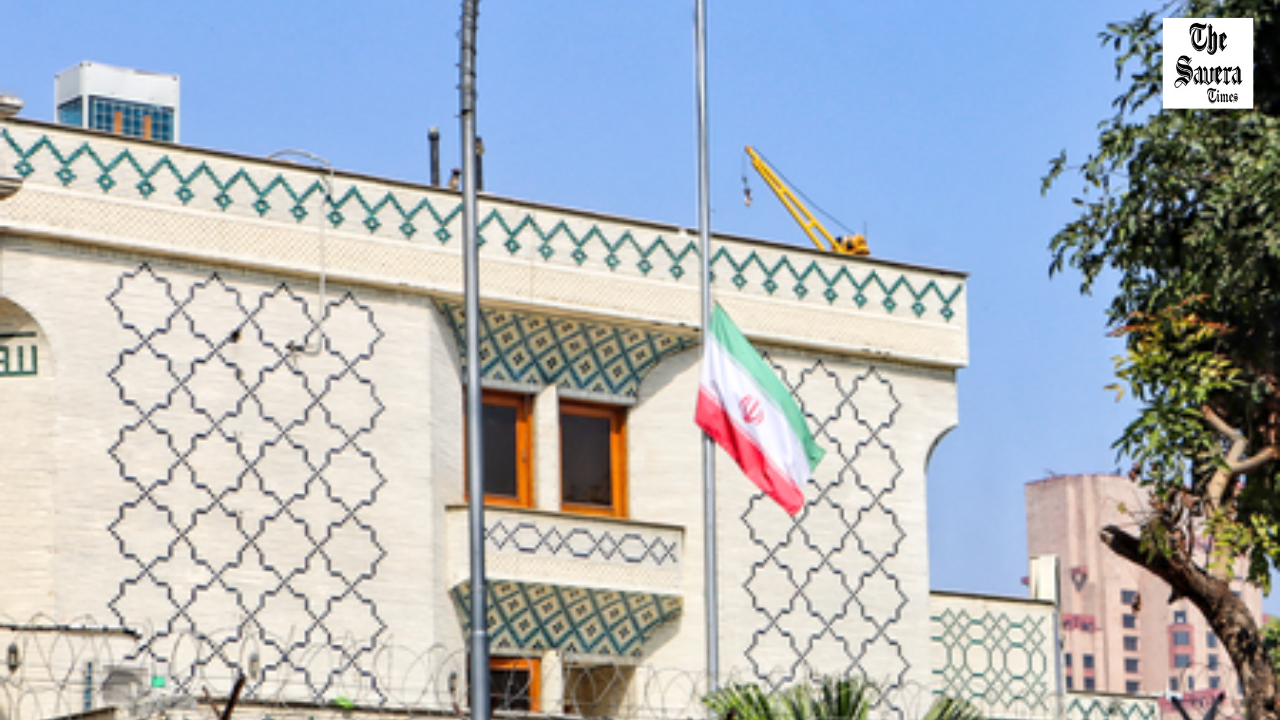
New Delhi, India: The Embassy of the Islamic Republic of Iran in New Delhi has announced the opening of a condolence book in memory of Ayatollah Seyed Ali Khamenei, the Supreme Leader of Iran, who was killed in a series of military strikes earlier this week. The gesture allows people to visit the embassy to sign the condolence book and pay their respects as part of official mourning.
In a statement shared on the Iranian Embassy’s official social media, authorities confirmed that the book will be open on March 5, 6 and 9, 2026, between 10:00 am and 3:00 pm on each day. Citizens, diplomats, community leaders and others wishing to express sympathy and solidarity with the Iranian people are invited to participate.
Ayatollah Ali Khamenei who had served as Iran’s Supreme Leader since 1989 was reported killed during airstrikes carried out by United States and Israeli forces on February 28, 2026, a development that has triggered major geopolitical reverberations across the Middle East and beyond. Iranian state media and officials described the event as an act of aggression resulting in his “martyrdom,” and have entered a period of national mourning with flags at half-mast and public ceremonies underway.
The embassy’s move to open a condolence book in New Delhi follows similar diplomatic gestures globally, as Iranian missions in cities such as Colombo and Bishkek have also made provisions for sympathizers to record messages of condolence and solidarity.
According to the embassy’s announcement, those wishing to sign the book should visit the Iranian Embassy premises on the specified dates, during visiting hours between 10 am and 3 pm. The embassy has also expressed gratitude in its statement for the “kind expressions of sympathy and solidarity” it has already received.
This diplomatic gesture underscores the continuing emotional resonance of Khamenei’s death for many Iranians and supporters, as well as for sections of civil society, international community members and political leaders in different countries. In several regions, condolence gatherings and memorial services have also been reported, reflecting the broader geopolitical and cultural impact of the event.
The opening of condolence books at Iranian diplomatic missions comes amid heightened tensions and international reactions to the events surrounding Khamenei’s death. In Pakistan, political leaders and community figures have visited Iranian embassies to record their sympathy and express solidarity with the Iranian people and government. These diplomatic engagements underscore regional interconnectedness and the political sensitivity of Khamenei’s passing.
In Sri Lanka and other countries, Iranian diplomatic missions have also made arrangements for residents and foreign nationals to sign books of condolence — demonstrating the global reach of the mourning period and the significance of Iran’s leadership transition.
Pakistan's Defense Minister Khawaja Asif has questioned alleged plans by senior government officials to permanently settle abroad. He...
The Baloch Liberation Army (BLA) has claimed responsibility for carrying out 34 operations between October 9 and 20...
Russian President Vladimir Putin said on Wednesday that Russia's first tanker carrying 40,000 tons of diesel fuel will...

Ten people were killed and 44 others injured in a horrific road accident in Pakistan's Punjab province. The...
North Korean leader Kim Jong-un's influential sister, Kim Yo-jong, and a military marshal inspected fortification work along the...

New Delhi: US Secretary of State Marco Rubio has assured India that America’s relations with any country in...

Aries: The day will be auspicious...