Last Updated: October 18, 2026
Last Updated: October 18, 2026





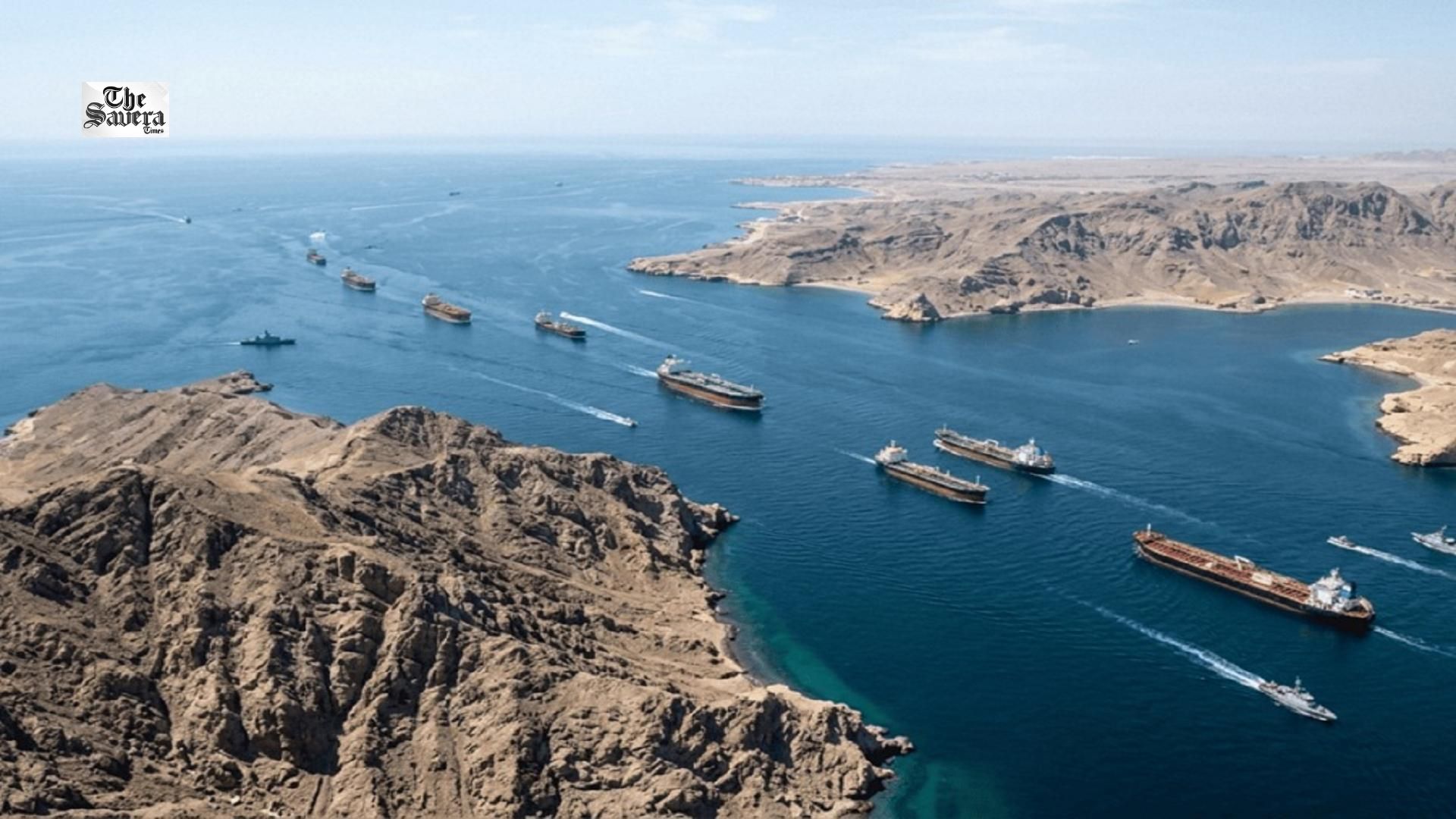
Tehran: Iran is preparing to announce a new “exclusion zone” around the Strait of Hormuz, escalating tensions with the United States in the strategically important waterway.
Mohsen Rezaei, the newly appointed head of Iran’s Supreme National Security Council, said the proposed zone would target vessels that Tehran believes are attempting to pass through the Strait.
Rezaei made the remarks on Iranian state television on Sunday but did not provide detailed information on how the proposed exclusion zone would operate.
His statement came a day after the United States struck three Iranian oil tankers, following what Washington said was an Iranian ballistic missile attack targeting US warships. The development has added to tensions around the Strait of Hormuz, a key route for global energy shipments.
Iran plans new restricted zone around Strait of Hormuz
Rezaei said Iran could announce the new exclusion zone within the coming days or weeks.
According to his remarks, the proposed area would begin from what Iran considers the point of the US naval blockade, stretch towards the Strait of Hormuz and extend from that side into the Persian Gulf.
Rezaei warned that vessels entering the area with the intention of passing through the Strait and identified by Iran would be placed on an Iranian sanctions list.
However, the precise location of the proposed zone remains unclear, including where Iran considers the US naval blockade to begin.
The United States has focused its naval blockade on Iranian ports as part of efforts to prevent Tehran from exporting oil. The US military has said that more than 20 warships are involved in supporting the operation.
According to information provided by the US military, the blockade had redirected 92 commercial vessels and disabled three as of Sunday.
US-Iran tensions escalate around strategic waterway
Washington has continued measures aimed at increasing economic pressure on Iran following the collapse of negotiations between the two countries.
At the same time, intermittent fighting has continued, with no immediate end to the conflict in sight.
Iran has also continued to target some vessels attempting to cross the Strait of Hormuz. Tehran has described the waterway as a major source of leverage during the conflict.
Iran claimed on Sunday that it had struck an unmanned US vessel attempting to enter the Strait. The US military rejected the claim and described it as a “total lie.”
The renewed confrontation has once again placed Iran’s southern coastline and the Strait of Hormuz at the centre of the wider West Asia conflict.
Fighting resumes after weeks of relative calm
The latest round of fighting resumed last week after nearly a month of relative calm.
At least five people were killed earlier in the week in a US bombardment, while the attack also renewed attention on the location of a school that had been hit during the opening strikes of the conflict.
The Trump administration is pursuing a two-track approach, combining military action with financial pressure on Iran.
The United States has also targeted foreign financial institutions involved in handling Iranian funds, while Iran’s new hard-line leadership has indicated that Tehran is prepared to withstand further economic pressure.
Iran has spent years developing ways to circumvent international sanctions and maintain access to overseas oil buyers. Tehran is now attempting to apply similar methods to deal with the US blockade of its ports.
Rezaei claimed that Iran’s oil production and trade have continued despite the pressure.
Iran voices distrust over failed negotiations
Rezaei also expressed doubts about countries that attempted to mediate between Iran and the United States after negotiations broke down.
A memorandum of understanding signed by Washington and Tehran in mid-June began to unravel within days, with both sides accusing each other of violating its terms.
Rezaei said Iran had expected Pakistan, Qatar and Oman to intervene if either side breached the understanding because they had taken on mediation roles.
He indicated that Tehran was now pursuing diplomacy with additional guarantees following the breakdown of the earlier understanding.
Why Strait of Hormuz matters to global oil markets
The confrontation has placed the Strait of Hormuz under intense international scrutiny because of its importance to global oil and natural gas shipments.
Before the conflict, the waterway was a major international shipping route. US Energy Secretary Chris Wright said an average of around nine million barrels of oil per day were moving through the Strait.
Wright said continued flows could help ease pressure on global energy prices. However, the estimate appeared higher than the average volume recorded through the waterway over the preceding 28 days, according to the sources cited in the report.
Speaking to CNN, Wright said oil was also moving through regional pipelines and estimated that overall flows were “probably two-thirds or more” of pre-conflict levels.
The proposed Iranian exclusion zone could therefore add another layer of uncertainty for commercial shipping and global energy markets as the US-Iran confrontation continues.
Nepal is seeking substantial financial assistance from India ahead of Prime Minister Balendra Shah’s proposed visit to New...

The race to succeed Antonio Guterres remains uncertain after three leading candidates faced opposition from two permanent members...

Democratic lawmakers have criticised Donald Trump for waiving key sanctions and tariff provisions under the Graham Act, citing...
Shipping Minister Sarbananda Sonowal confirmed that all 24 Indian seafarers aboard two vessels struck in separate incidents in...
Katie Zacharia has left her role as White House press secretary less than a week after her appointment....
US President Donald Trump has praised Kaylub Giamanco for intervening during a shooting at Silver Rail Elementary School...
Aries: The day will be auspicious...