Last Updated: October 12, 2026
Last Updated: October 12, 2026





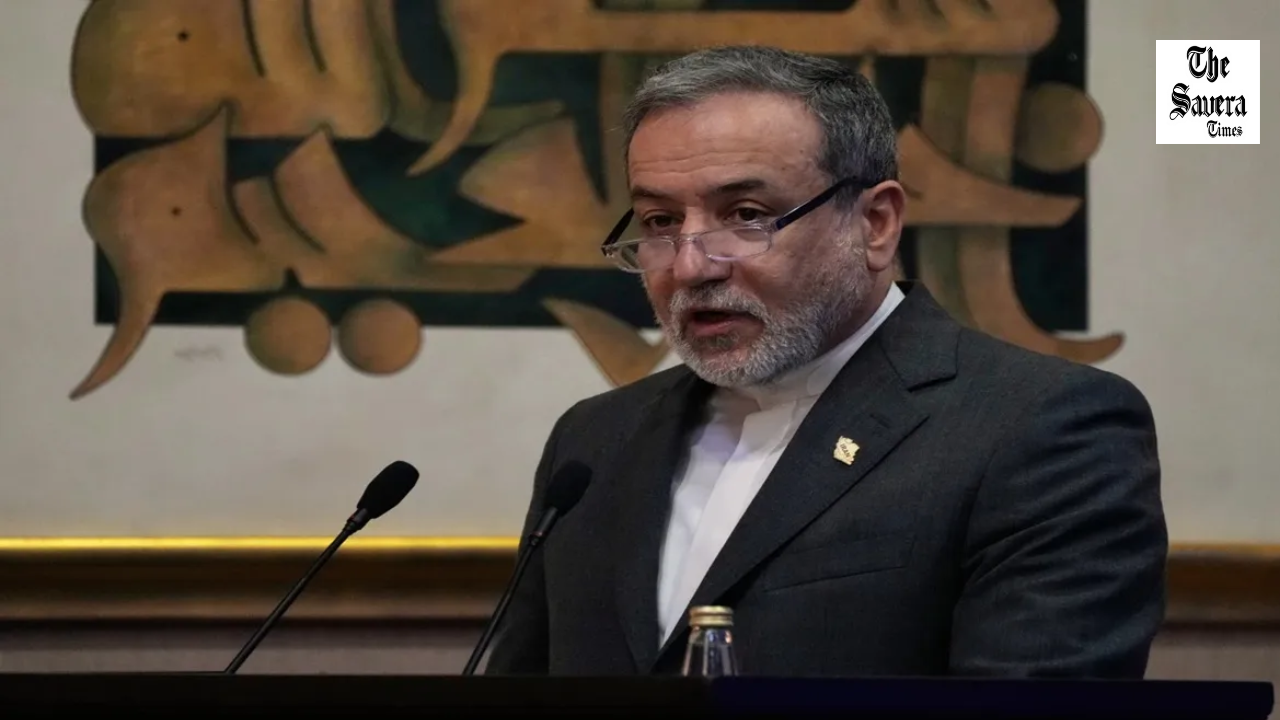
Iran’s Foreign Minister Seyed Abbas Araghchi is likely to visit India later this week to attend the upcoming BRICS Foreign Ministers’ Meeting, scheduled to be held on May 14 and 15. The high-level diplomatic gathering comes at a critical time as tensions continue to escalate in West Asia following the ongoing conflict involving the United States and Iran.
India, which is hosting the BRICS meeting this year, is expected to place major emphasis on regional stability, energy security, and diplomatic solutions to the ongoing crisis. The expected participation of the Iranian foreign minister has drawn global attention due to the fragile security situation in the region.
Although Iranian officials have reportedly informed India that Araghchi’s visit remains on the agenda, there is still uncertainty because of the volatile regional situation. Reports suggest that any fresh escalation between Iran and the United States could affect Tehran’s diplomatic engagements and travel plans.
Recent reports had also indicated that Iran was considering sending a deputy foreign minister instead of Araghchi due to ongoing geopolitical tensions. However, sources now suggest that Tehran is keen to maintain active diplomatic outreach through BRICS at a time when regional diplomacy is gaining importance.
For India, the BRICS meeting presents a delicate diplomatic balancing act. While New Delhi maintains longstanding strategic and energy ties with Iran, it also shares strong partnerships with countries such as the United Arab Emirates, Saudi Arabia, and the United States.
Officials say India is attempting to maintain a balanced diplomatic approach by encouraging dialogue and de-escalation rather than openly aligning with any military bloc in the conflict. India has consistently called for regional peace and stability, particularly because disruptions in West Asia directly impact global oil markets and India’s energy security.
Iran, which became a full BRICS member in 2024, is reportedly pushing for a stronger collective stand within the grouping regarding developments in West Asia. Tehran is believed to be seeking broader diplomatic backing from BRICS nations against military actions in the region.
However, reports suggest that divisions among BRICS members may make it difficult to issue a unified statement on the crisis. Differences between member nations, particularly Iran and the UAE, have reportedly complicated consensus-building efforts in previous BRICS discussions related to West Asia.
The BRICS Foreign Ministers’ Meeting is expected to witness participation from several senior leaders and diplomats from member countries including Brazil, Russia, South Africa, Egypt, Ethiopia, and Indonesia. Russian Foreign Minister Sergey Lavrov has reportedly confirmed his participation.
However, Chinese Foreign Minister Wang Yi is reportedly unlikely to attend due to scheduling overlaps linked to preparations for a possible summit involving former US President Donald Trump and Chinese President Xi Jinping.
The BRICS discussions are also expected to address global economic instability, energy concerns, and supply chain disruptions resulting from the ongoing conflict in West Asia. India, as one of the world’s largest energy importers, remains highly sensitive to fluctuations in crude oil prices and shipping disruptions in the Gulf region.
Experts believe the meeting could become an important diplomatic platform for discussing peaceful solutions and maintaining economic stability amid growing global uncertainty.
The likely visit of Iranian Foreign Minister Seyed Abbas Araghchi to India has added significant geopolitical importance to this year’s BRICS Foreign Ministers’ Meeting. With the West Asia crisis continuing to impact global diplomacy and energy markets, the summit is expected to play a crucial role in shaping the collective response of emerging economies toward regional stability and international cooperation.
A shooting occurred at a school in the French city of Aubagne on Monday.

A Pakistani Army training aircraft crashed near Quetta, the capital of Pakistan's Balochistan province, on Monday.
The Royal Swedish Academy of Sciences on Monday announced the 2026 Nobel Prize in Economics to American economists...

A Sudanese rights group says at least 72 gold miners were killed in an air strike near the...

US President Donald Trump is scheduled to attend the ASEAN summit in Manila on November 16 before travelling...
An Indian national injured in the October 10 attack on Riyadh’s King Khalid International Airport has died, taking...

Aries: The day will be auspicious...