Last Updated: October 24, 2026
Last Updated: October 24, 2026





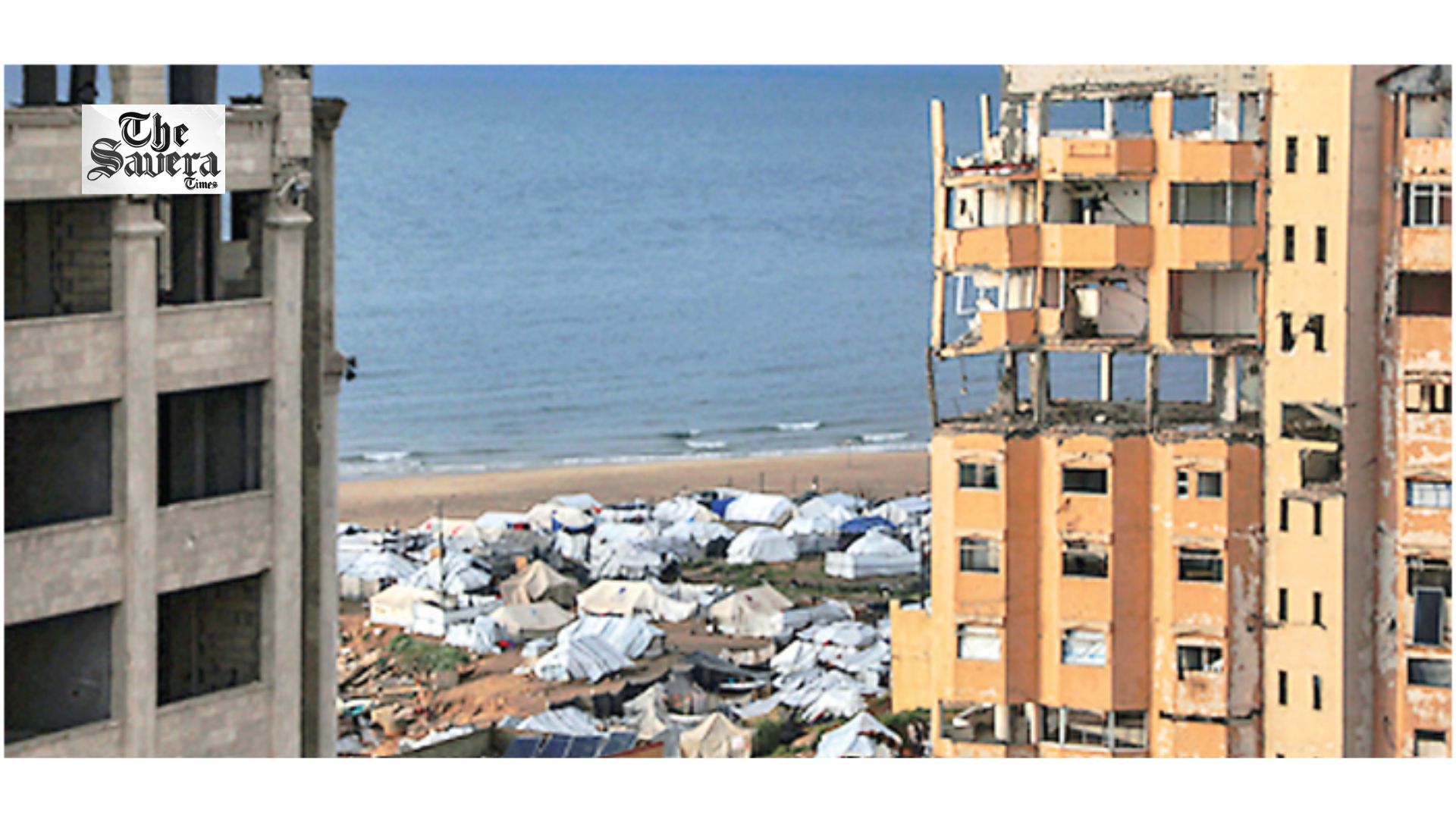
For more than four decades, the Islamic Republic of Iran has presented itself as the loudest defender of the Palestinian cause. Every year, Tehran marks “Quds Day” with speeches condemning Israel, senior Iranian officials routinely describe Palestine as the “central issue” of the Muslim world, and support for Palestinian armed groups has been a pillar of Iran’s revolutionary identity.
Yet recent events have exposed a striking contradiction between rhetoric and strategic behavior. The months following the IsraelHamas war have demonstrated that while Iran is willing to support proxies, issue fiery statements, and celebrate the language of “resistance,” it has shown remarkable restraint whenever its own national interests have been directly at stake.
The contrast has become even more visible amid attempts to reduce tensions involving the United States and Israel. This is not to suggest that Iran has abandoned every connection with Palestinian groups. Tehran continues to provide political backing and has long been associated with military and financial support for organisations such as Hamas and Palestinian Islamic Jihad.
However, there is a widening gap between symbolic leadership of the Palestinian cause and a willingness to bear the costs of defending it militarily. That distinction matters.
A useful way to understand Iran’s strategy is through an old Middle Eastern proverb: ‘Raise your voice, but keep your sword sheathed until your own house is threatened’. Whether or not Iranian leaders would describe their policy this way, recent events closely resemble this logic. Whenever negotiations or de-escalation efforts involving Iran emerge, the conversation often expands to include Lebanon and Hezbollah because Hezbollah represents Tehran’s most powerful regional deterrent.
Israeli calculations regarding Lebanon are deeply connected to Iran’s influence over Hezbollah. Yet one question remains conspicuously absent.
Why has Gaza rarely become a central bargaining point? If Iran truly considers Palestine its foremost regional priority, one would expect Tehran to insist that any broader regional understanding include meaningful pressure to reduce Israeli military operations in Gaza, humanitarian guarantees, or political concessions for Palestinians. Instead, Gaza has frequently remained separate from discussions concerning Iran’s own strategic interests.
That separation reveals priorities. Countries negotiate hardest over issues they genuinely regard as vital to their national security.
Washington: US President Donald Trump has acknowledged that the war with Iran has driven up oil prices and...

Washington: US President Donald Trump has announced a new labelling initiative to identify American-produced seafood, seeking to give...
Washington: US President Donald Trump has warned that American forces could launch another round of military strikes against...
The Indian Army on Friday rejected claims on social media that the Army had taken action against the...
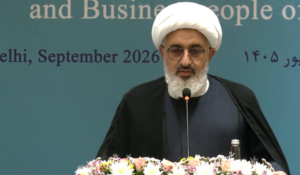
Abdul Majid Hakim Elahi, Iran's Supreme Leader's representative and senior diplomat, said on Friday that the US has...
New York, USA: The New York City Council has passed a law to ban horse-drawn carriages, naming the...

Aries: The day will be auspicious...