Last Updated: October 18, 2026
Last Updated: October 18, 2026





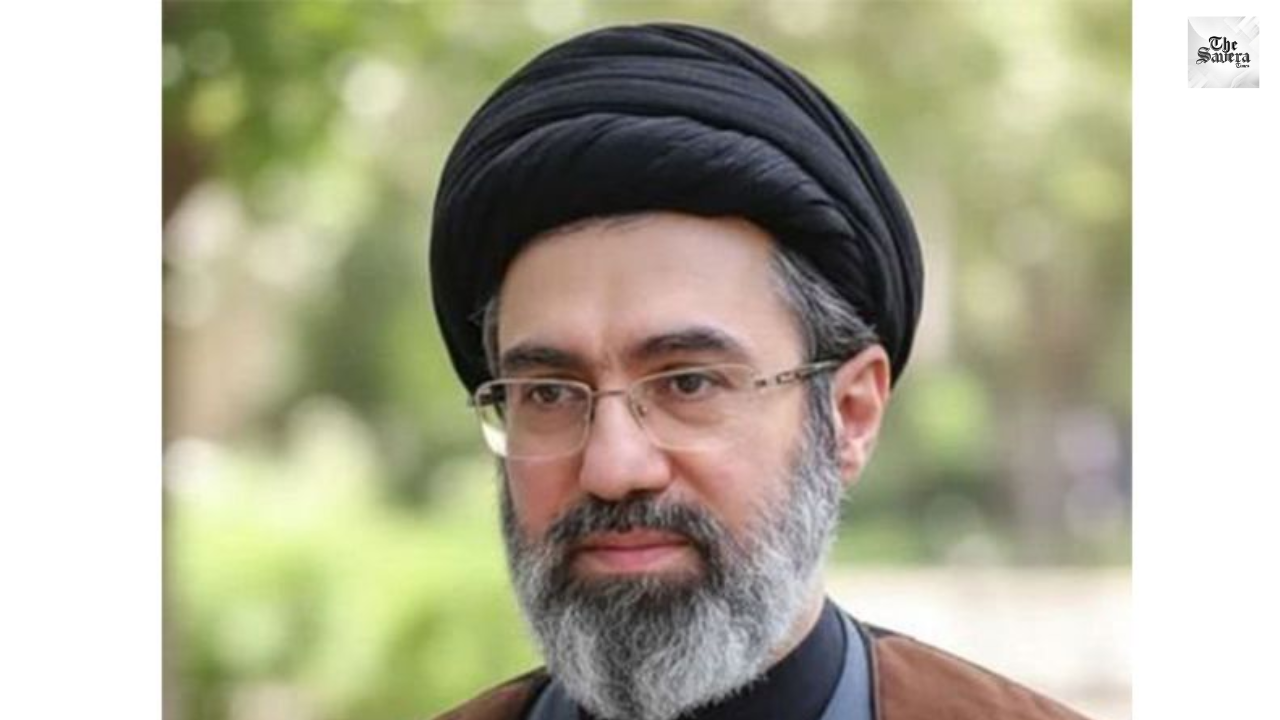
The ongoing conflict in West Asia has intensified dramatically, with the United States and its allies conducting a series of military strikes against Iran’s strategic targets. The war began after coordinated airstrikes reportedly targeted key Iranian leadership and military infrastructure. In the midst of this turmoil, a major political shift occurred when Iran’s long-time supreme leader Ali Khamenei was killed in a strike in February 2026. His son, Mojtaba Khamenei, was subsequently named the new Supreme Leader of Iran.
However, the leadership transition has been overshadowed by uncertainty surrounding Mojtaba Khamenei’s health and ability to lead during a time of war.
According to the US administration, the new Iranian leader may have been badly wounded during the recent military operations. US Secretary of War Pete Hegseth stated at a press briefing that Mojtaba Khamenei is “wounded and likely disfigured.”
Hegseth suggested that the injuries may have occurred during Israeli or US strikes that targeted Iranian leadership sites earlier in the conflict. He also questioned Khamenei’s legitimacy and ability to govern Iran under such conditions.
The US official further indicated that Washington was preparing for an intensified wave of military operations against Iran, describing the coming attacks as potentially the largest since the war began.
Speculation about Mojtaba Khamenei’s health increased after he failed to appear publicly following his appointment as Supreme Leader. Instead of addressing the nation through a televised speech, his first message was released as a written statement read by a television presenter.
US officials highlighted the lack of video or audio as evidence that the leader might be seriously injured. Hegseth argued that if the Iranian leader were healthy, he would likely have addressed the public directly.
The unusual communication method has fueled international debate about whether the new leader is capable of exercising full authority during the crisis.
Iranian officials have pushed back against the US claims. Some sources within Iran say Mojtaba Khamenei suffered only minor injuries during the attack and continues to function as the country’s leader.
However, reports about his condition remain unclear. Some international analysts suggest he may have suffered significant injuries to the face or body during the strike, while others say his condition is stable but being kept confidential for security reasons.
This lack of transparency has contributed to widespread speculation about the power structure within Iran during the ongoing war.
The controversy surrounding Iran’s new leader comes amid escalating military operations in the region. The United States claims that thousands of targets across Iran have been struck as part of the campaign, while Iran continues retaliatory drone and missile attacks in the Gulf region.
The situation has raised concerns about broader instability in the Middle East and potential disruptions to critical global trade routes such as the Strait of Hormuz.
The question of Mojtaba Khamenei’s health and authority has become a central issue in the ongoing conflict. If the reports of severe injuries are accurate, it could create a leadership vacuum within Iran during a highly volatile period.
For now, the exact condition of the Iranian Supreme Leader remains uncertain, with competing narratives emerging from Washington and Tehran. The coming days are likely to reveal whether Mojtaba Khamenei can continue to lead Iran amid intensifying international pressure and military confrontation.
Increasing Houthi attacks on Saudi Arabia are testing Pakistan’s ability to defend Riyadh without affecting its ties with...
Nepal is seeking substantial financial assistance from India ahead of Prime Minister Balendra Shah’s proposed visit to New...
The race to succeed Antonio Guterres remains uncertain after three leading candidates faced opposition from two permanent members...
Democratic lawmakers have criticised Donald Trump for waiving key sanctions and tariff provisions under the Graham Act, citing...
Shipping Minister Sarbananda Sonowal confirmed that all 24 Indian seafarers aboard two vessels struck in separate incidents in...
Katie Zacharia has left her role as White House press secretary less than a week after her appointment....
Aries: The day will be auspicious...