Last Updated: October 9, 2026
Last Updated: October 9, 2026





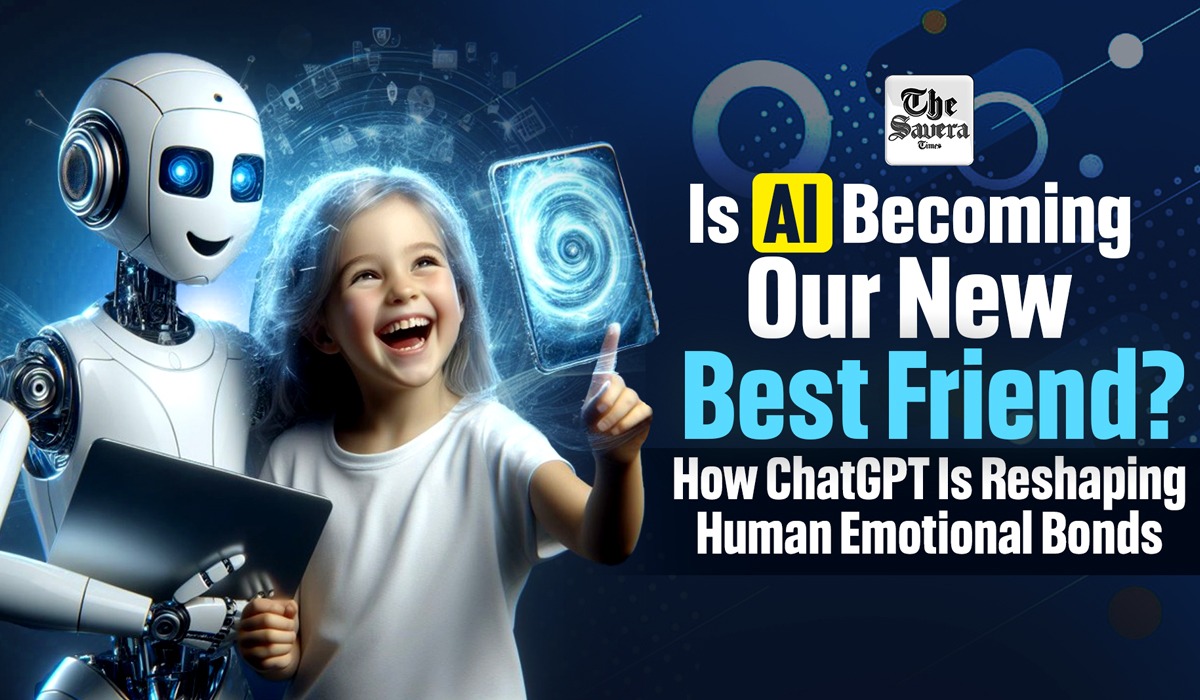
In the era where technology fills nearly every aspect of life, a new and unexpected trend is occurring: individuals are beginning to express their innermost feelings and thoughts to AI instead of to friends, family, or therapists.
Initially AI is designed to assist with productivity and knowledge, are now becoming emotional confidants. Psychologists and sociologists are raising an important question as consumers seek AI for reassurance, comfort, and validation: How will this impact our relationships with one another?
The Emergence of AI as an Emotional Friend
AI has turns up as a listener for those dealing with stress, loneliness, or emotional overload because of its capacity to react sympathetically, stay nonjudgmental, and be accessible around-the-clock.
AI heard without being judged. It allows to process feelings, sometimes in a more composed manner that person feels like they are speaking to a friend.
The Perks: Emotional Release Without the Danger
It is no doubt that AI can be a source of emotional support. For those who do not have immediate access to mental health treatment or who feel isolated, AI is a readily available, anonymous means of expression.
But At What Cost?
While the benefits are obvious, the risks are far more precise—and perhaps much broader.
As humans become increasingly emotionally hopeful upon AI, they may begin replacing human interaction with artificial comfort. Over time, this could lead to emotional pullout or loss of true relationships.
There is also concern over emotional substitution—where people may think that their emotional needs are met through AI, causing them to avoid the risk and complexity of human relationships altogether
What This Means for Human Relationships
The long-term effects are still being revealed, but a number of potential results are already being debated by relationship professionals:
Less emotional vulnerability in actual relationships – because it is simpler to “speak” with AI.
Less emotional strength – since AI does not engage in conflict, as human beings do.
More solitude for already isolated individuals – if AI ends up being a replacement rather than a bridge.
Reforming expectations – individuals can start expecting human conversations to be as effortless, forgiving, and emotionally neat as the ones with AI.
A Tool, Not a Substitute
Albeit, the problem isn’t AI itself—it’s how we decide to utilize it.
Used responsibly, AI can be an effective tool for emotional comfort, introspection, and even prelude to more in-depth conversations with loved ones. But never as a substitute for the depth, empathy, and surprise of authentic human relationships.
Conclusion: People First
As we advance further into using AI in our emotional lives, the challenge will be striking a balance—using the advantage of digital assistance without letting it undermine our human relationships.
For at the center of all significance relationships lies not so much being heard, but being really understood—by another who feels, breathes, and lives alongside us.
Turtle doves picking fallen grain from Paddy fields, Cicada chirping on willow trees and the cackle of migratory...

Andre Agassi became one of the greatest tennis players in the world. Agassi’s father, Mike, a former Olympic...

Have you ever wondered how the words you speak can influence your thoughts, emotions, behavior, relationships and even...

Ac There’s no doubt that smoking can cause serious health related problems and also up the risk of...

Are you one of those who exercise daily but are still unable to lose weight? We might have...

In growing cities, the water cycle does not end when water is used. What flows away from homes,...

Aries: The day will be auspicious...