Last Updated: October 10, 2026
Last Updated: October 10, 2026





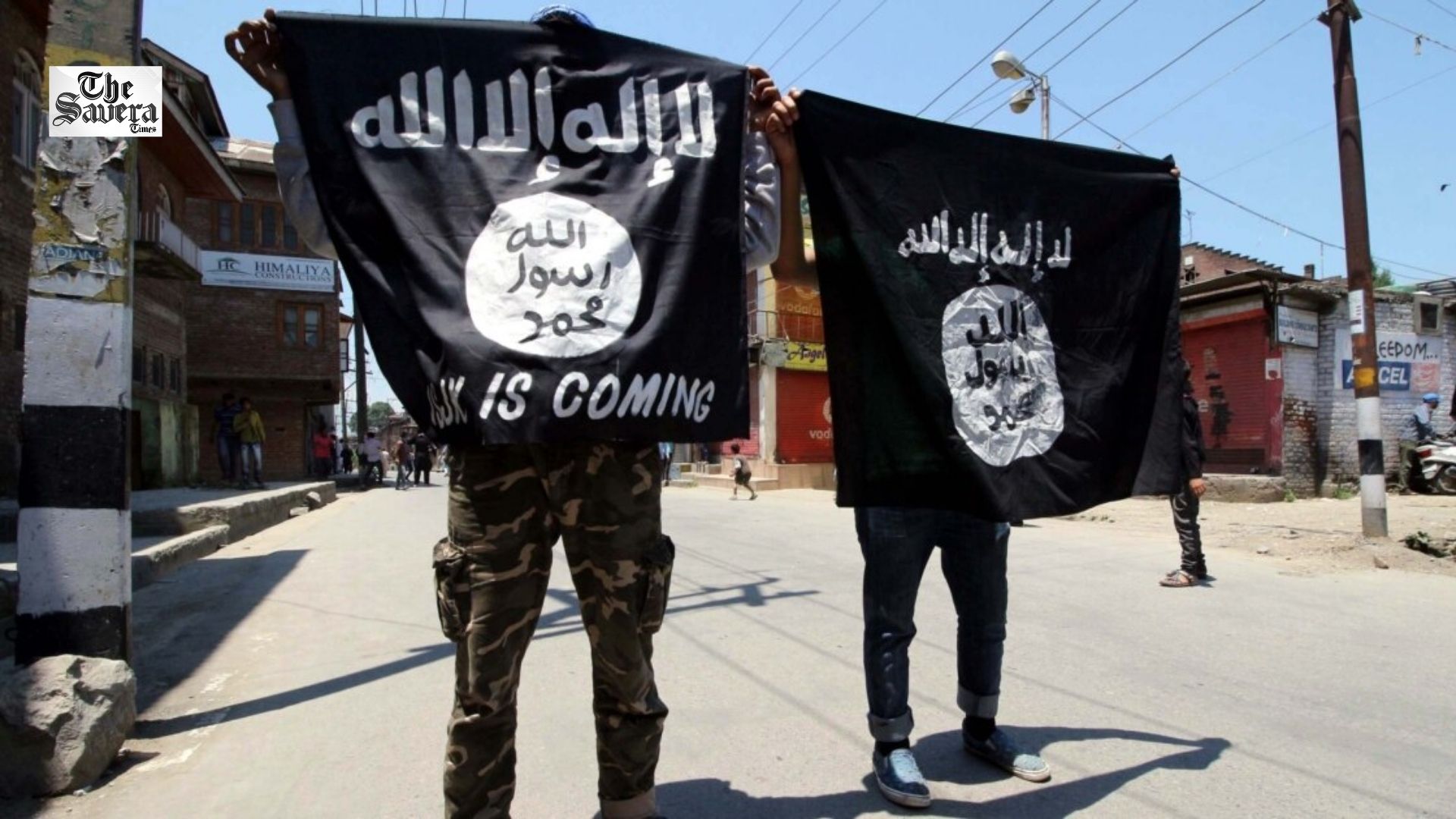
New Delhi: The trend of Indian youth leaving the country to join terrorist groups such as the Islamic State and Al-Qaeda has declined sharply, but security agencies are increasingly concerned about online radicalisation and homegrown extremist activities.
According to intelligence officials, the movement of Indian youth to Syria, Iraq and Afghanistan to join terrorist organisations peaked between 2014 and 2023. Since 2024, however, the number of people leaving India or attempting to leave has dropped significantly.
Islamic State changes recruitment strategy
Intelligence agencies have found a significant change in the communication between radicalised individuals and handlers based abroad. Officials said recruits are no longer being encouraged to leave India.
Instead, Islamic State and Al-Qaeda handlers are reportedly asking potential recruits to stay in the country and carry out radicalisation and extremist activities locally.
Officials said the Islamic State has adopted this strategy not only in India but also in other countries. The group is reportedly seeking to develop region-specific networks and create what it considers local pockets of influence.
South India remains a key focus
Security officials said South India continues to be a major area of concern, particularly Kerala and Tamil Nadu, where increased online communication linked to radicalisation has been detected.
The latest investigations by the National Investigation Agency have also highlighted cases connected to Kerala, Karnataka, Tamil Nadu, Andhra Pradesh and Maharashtra. These states had earlier reported several cases of people travelling abroad to join the Islamic State.
Officials said the group is now also targeting teenagers in schools and colleges, adding to the challenges faced by security agencies.
Counter-terror experts believe the focus on teenagers is deliberate, as young people can be more vulnerable to extremist propaganda. They said prolonged exposure to radical content could lead to deeper indoctrination over time.
Online platforms used for indoctrination
Investigators have found that radicalised individuals are being connected through platforms including Zoom, Telegram and WhatsApp after taking an oath of allegiance, or bayath, to the Islamic State.
Some online sessions may appear to be religious study programmes, but investigators have found instances where such platforms were allegedly used for extremist indoctrination and preparation for violent activities.
Recent investigations have also pointed to attempts to establish a so-called ‘liberated zone’ or ‘Al-Sham’ in Padgha, where recruits were allegedly encouraged to pledge allegiance to the Islamic State.
Operation Chakravyuh curbed overseas recruitment
The Ministry of Home Affairs has reported around 155 cases linked to the Islamic State. The US Department of State estimated that 66 Indian-origin fighters were associated with the terrorist organisation, including 21 from Kerala who had travelled to Afghanistan to join the Islamic State Khorasan Province (ISKP).
Indian security agencies also carried out Operation Chakravyuh, under which several young people were tracked through their online activities and prevented from travelling abroad to join terrorist organisations.
While the operation helped reduce the flow of recruits leaving India, officials said the nature of the threat has now changed.
The challenge has shifted from recruits leaving the country to join terrorist groups abroad to extremist handlers encouraging them to stay in India and promote violent ideology locally.
Jaipur: The Anti-Narcotics Task Force (ANTF) of Rajasthan Police has arrested wanted drug smuggler Sohanlal, alias Sonu, carrying...

Imagine a foreign national standing among Indian citizens at a political protest, raising questions about the government or...

Aizawl: The Assam Rifles, in coordination with other law enforcement agencies, seized methamphetamine tablets and foreign-made cigarettes worth...

Kolkata: A Returning Officer (RO), acting on behalf of the Election Commission of India (ECI), has lodged a...

New Delhi: The Delhi BJP Mahila Morcha staged a protest on Saturday to demand the expulsion from Congress...
Sanaa: Saudi warplanes launched fresh airstrikes on Houthi-held areas in northwestern Yemen on Saturday as fighting intensified between...