Last Updated: October 21, 2026
Last Updated: October 21, 2026





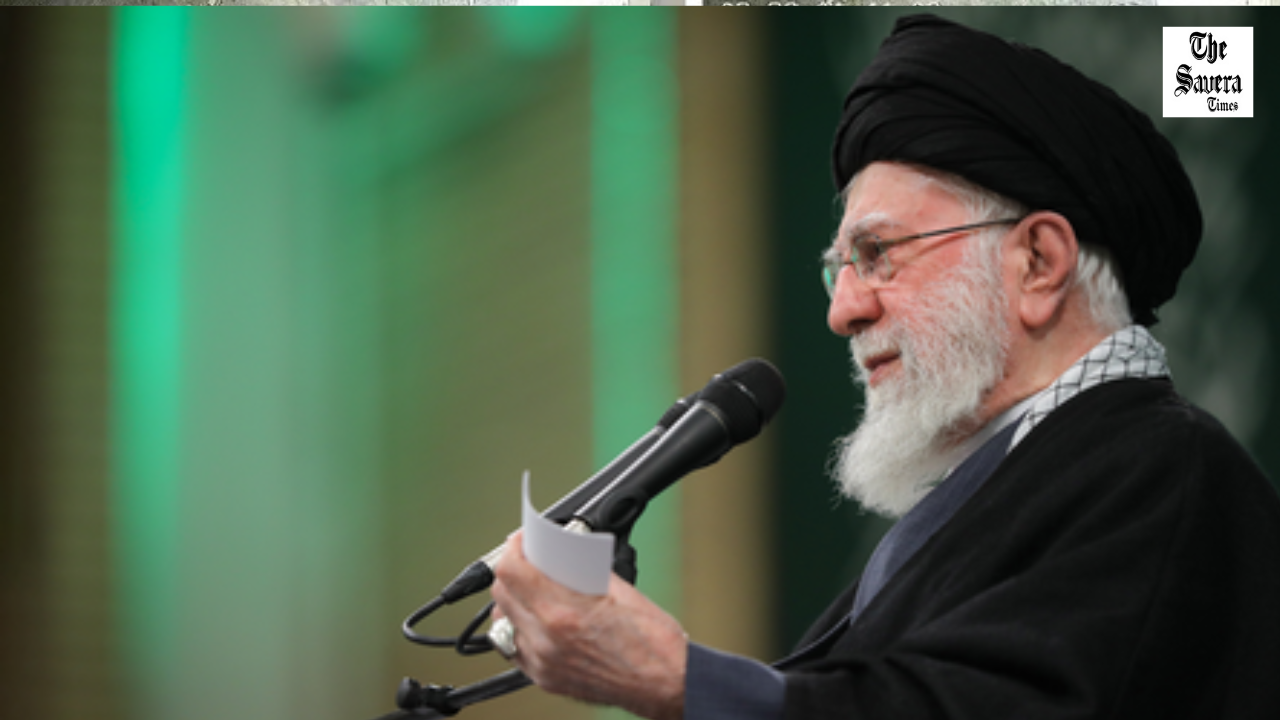
In a dramatic escalation of conflicts in the Middle East, Israel has launched “preventive” strikes on Iran, targeting multiple sites in the Iranian capital, Tehran, including areas near the offices of Supreme Leader Ayatollah Ali Khamenei, according to media reports. The operation, named Operation Shield of Judah, was described by the Israeli Defence Ministry as necessary to “remove threats to Israel.”
Explosions were reported across Tehran on Saturday, and smoke was visible rising from key urban districts. The attacks mark a sharp increase in hostilities between Israel and Iran amid longstanding tensions over nuclear development and regional security.
According to regional and international media accounts, missiles and possible airstrikes struck several areas in Tehran, including central and eastern districts near Khamenei’s official offices. Some reports also mention explosions near University Street and the Jomhuri area of the capital. Iran’s state media acknowledged the blasts but provided few details.
Israeli Defence Minister Israel Katz publicly said the action was a pre-emptive measure intended to neutralize threats perceived by Israel. Detailed information on specific military installations or infrastructure damaged has not been officially disclosed.
The strikes occurred amid heightened geopolitical tensions. Earlier diplomatic efforts between the U.S. and Iran over nuclear issues had reportedly been underway, but the attack suggests that those negotiations did not prevent military action.
Following the strikes, Iran shut down its airspace, rerouting civilian flights and urging caution in public areas. Similar airspace restrictions were reported in neighboring countries as precautionary measures amid fears of wider conflict.
In Israel, sirens were sounded across major population centers. The Israeli military issued “proactive alerts,” encouraging citizens to seek shelter in anticipation of potential retaliatory missile launches from Tehran.
Iranian officials have said they are preparing a “crushing” response to the joint Israeli and U.S. offensive, raising international concerns about further escalation and instability in the already volatile region.
Several international news organizations and regional sources have indicated that the United States participated in the planning or execution of the operation alongside Israel, although the exact extent of U.S. involvement has not been fully clarified. According to some reports, the two nations had been coordinating for months in anticipation of this scenario.
Military analysts and diplomats are now closely watching reactions from Tehran and other regional powers. The current episode follows previous confrontations that included missile exchanges, cyberattacks, and proxy conflicts involving Iran, Israel, and their respective allies. Any significant Iranian retaliation could widen the conflict, impacting security and energy markets worldwide.
As of now, reports have not confirmed the toll of casualties or specific material damage resulting from the strikes. Tehran’s government has been cautious about releasing information, and many details remain unverified due to the fast-moving nature of the events and restrictions on independent reporting within Iran.
Both global leaders and international organizations are urging restraint. However, with military tensions escalating and both sides preparing for further steps, the situation remains fluid and potentially dangerous for the wider Middle East region.
Pakistan, battling insurgencies at home and tensions along multiple borders, is too overstretched to offer meaningful military support...

The World Bank Group has launched its first comprehensive digital strategy, placing artificial intelligence, affordable internet access and...

Fifty-four organisations and movements associated with France's October protests, along with their wider networks of supporters and international...

In the aftermath of the Indian agencies cracking down heavily on Indian influencers who were promoting pro-Pakistan content,...

Nearly 100 new cases of dengue have been reported in Pakistan's Khyber Pakhtunkhwa province in the last 24...
Following violent protests and looting in France, the government has decided to impose new curfews in different areas...
Aries: The day will be auspicious...