Last Updated: October 12, 2026
Last Updated: October 12, 2026





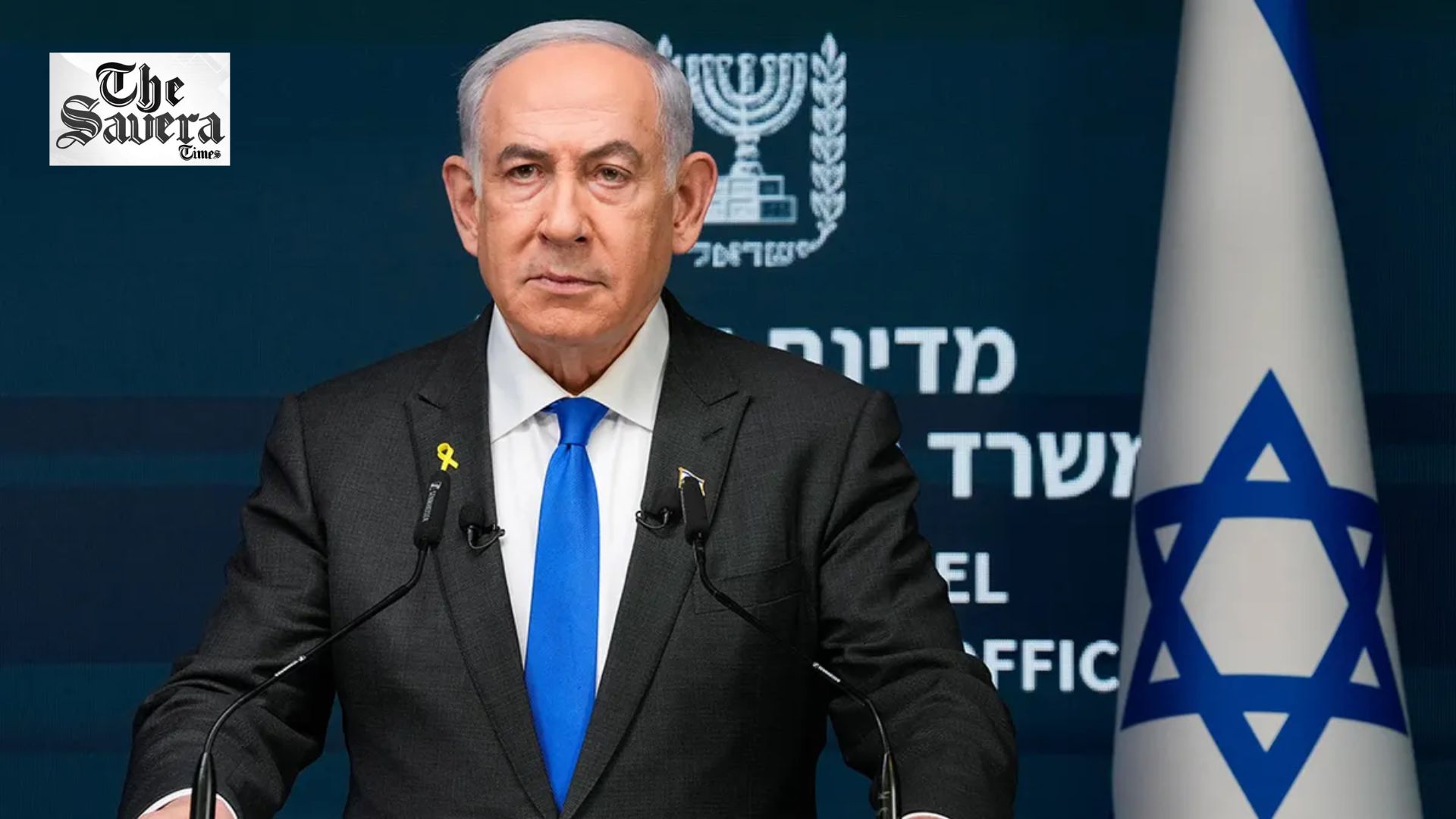
Jerusalem: Israel will head to the polls on October 27 to elect the 120 members of the Knesset, setting the stage for one of the country’s most closely watched elections in recent years. The vote will determine whether Prime Minister Benjamin Netanyahu, Israel’s longest-serving premier, can secure another term amid ongoing security challenges, political divisions and public debate over his leadership. The election date was confirmed by Israel’s ruling coalition after the government completed its full four-year term, a rare occurrence in the country’s often unstable political landscape.
Why Is This Election Important?
The 2026 election is widely seen as a referendum on Netanyahu’s leadership following years marked by the Gaza war, tensions with Iran and Hezbollah, judicial reform disputes and domestic political unrest.
The outcome will shape Israel’s security strategy, relations with the United States and Arab nations, the future of the Gaza conflict and broader Middle East diplomacy. Opinion polls indicate a highly competitive race, with Netanyahu remaining one of Israel’s strongest political figures despite declining support for his coalition.
Who Is Benjamin Netanyahu?
Benjamin Netanyahu, popularly known as “Bibi,” has dominated Israeli politics for nearly three decades.
He first served as Prime Minister from 1996 to 1999, returned to power in 2009, remained in office until 2021, and returned again in December 2022 after leading the Likud Party to victory.
Netanyahu is Israel’s longest-serving Prime Minister and has built his political image around national security, economic reforms and a strong stance against Iran’s nuclear ambitions.
Major Achievements Under Netanyahu
Supporters credit Netanyahu with several significant accomplishments:
His supporters argue that his experience and crisis-management skills make him the most capable leader during regional instability.
Challenges and Controversies
Netanyahu’s tenure has also been marked by major controversies.
He continues to face corruption charges, which he denies, describing the cases as politically motivated.
His government’s proposed judicial reforms sparked months of nationwide protests in 2023, with critics accusing the coalition of weakening judicial independence.
Following the October 2023 Hamas attack, many Israelis questioned the government’s preparedness, leading to criticism over intelligence failures and the handling of the subsequent war in Gaza. Although Netanyahu remains influential, public opinion remains divided over his leadership.
Will Netanyahu Win Again?
The answer remains uncertain.
Recent opinion polls suggest Netanyahu’s Likud Party remains among the largest political parties in Israel, but his coalition could struggle to secure the 61-seat majority needed to form a government in the 120-member Knesset. Opposition parties are hoping to capitalize on voter dissatisfaction, though Israel’s fragmented political system means coalition negotiations after the election could prove decisive.
Political analysts believe Netanyahu’s image as an experienced security leader continues to resonate with many voters, while others seek a change after years of political instability and conflict.
How Do Israelis View Netanyahu?
Public opinion on Netanyahu remains sharply divided.
His supporters view him as a strong leader who has strengthened Israel’s economy, expanded international relations and ensured national security during turbulent times.
Critics argue that prolonged political polarization, judicial reform efforts, corruption allegations and the government’s handling of recent conflicts have weakened public trust.
The October election is expected to reflect these contrasting views, making it one of the most consequential elections in Israel’s recent history.
What Happens Next?
Israel’s parliamentary election will determine the composition of the 26th Knesset, after which the country’s president will consult political parties and nominate the leader most likely to command a parliamentary majority to form the next government.
Whether Benjamin Netanyahu returns for another term or Israel enters a new political chapter, the outcome is expected to have significant implications for domestic governance, regional security and international diplomacy.
A Sudanese rights group says at least 72 gold miners were killed in an air strike near the...

An eyewitness has recounted the fatal Mini Cooper crash in Nedumbassery, Kochi, claiming the driver said his father...

Start your day with The Savera Morning Brief, bringing you the top India and world news, breaking developments,...

US President Donald Trump is scheduled to attend the ASEAN summit in Manila on November 16 before travelling...
An Indian national injured in the October 10 attack on Riyadh’s King Khalid International Airport has died, taking...

Ukrainian President Volodymyr Zelenskyy says he was unaware of Donald Trump’s announcement of an immediate energy ceasefire between...

Aries: The day will be auspicious...