Last Updated: October 27, 2026
Last Updated: October 27, 2026





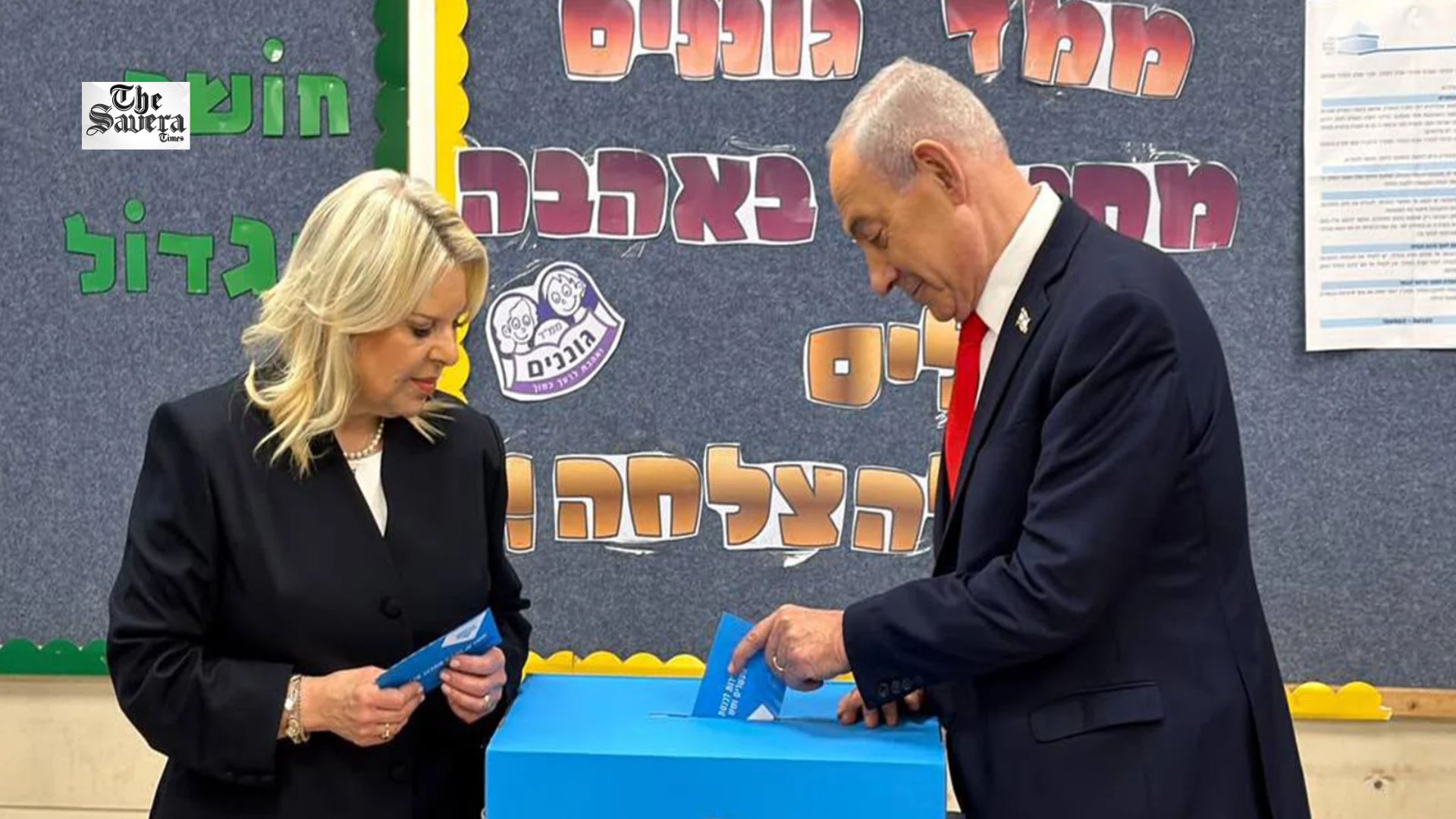
Jerusalem: Israelis headed to polling stations on Tuesday to elect the 26th Knesset, with many voters expressing hope for peace and a better future for their country. Prime Minister Benjamin Netanyahu also cast his vote with his wife, Sara Netanyahu, in Jerusalem. He urged his supporters to come out in larger numbers, warning that right-wing voters were not turning up as actively as their political opponents.
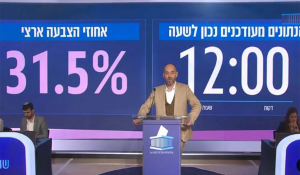
Around 7.3 million people were eligible to vote across Israel. By noon, turnout had reached 31.5%, the highest recorded at that hour since 1977, according to the Central Elections Committee.
The election is the first since the Hamas attack on October 7, 2023, and comes at a time when the country is facing major political changes and uncertainty about its future.
Israeli Voters Say They Want Peace, Not War
For some voters, the election was not just about choosing political representatives but also about the kind of future they wanted for Israel.
Speaking to IANS, one local resident said people wanted peace in Israel and around the world.
“We absolutely do not like war and want peace in Israel as well as across the world,” the resident said, adding that Israel was a good country with a democratic system.
A young woman who had just cast her vote also spoke confidently about Israel’s future. She said the country was strong and that she hoped the people elected to the Knesset would work towards making things better.
“Israel is a very good country, and we are very strong. We do not need anyone’s help,” she said. She added that she had voted for the team she supported and wanted its chosen candidates to enter the Knesset and help build a better future.
Other residents urged people to take part in the election rather than stay at home. One voter said everyone aged 18 and above should exercise their right to vote and encouraged more people to come out.
Another resident called it the most important election in the history of the State of Israel.
Netanyahu Urges Likud Supporters to Turn Out
While several voters spoke about peace and their hopes for the country, Netanyahu focused on getting more support for his Likud party.
The Israeli Prime Minister claimed that left-wing voters were coming out in large numbers while many right-wing supporters were staying home. He called on his supporters to act quickly and head to polling stations.
“This is an emergency call! The future of our Jewish state hangs in the balance. Go out and vote right now!” Netanyahu wrote on X.
In a separate post, he again warned that the right could lose ground if its supporters failed to vote.
“The left’s activists are storming the polling stations—and the right’s activists are indifferent. This is the time to wake up. Go out and get others out to vote—vote Likud,” he wrote.
His principal rival, Gadi Eisenkot, also appealed to voters to remain patient as queues formed at polling stations. He urged people to continue voting and said he believed political change was on its way.
By noon, turnout had reached 31.5%, marking the highest participation recorded at that time since 1977, according to the Central Elections Committee.
President Herzog Calls Election a ‘Holiday of Democracy’
President Isaac Herzog visited the Central Election Committee headquarters and reminded voters that the election gave them a chance to shape the country’s future.
“It is a real holiday of democracy, and no one can be allowed to ruin it,” Herzog said, according to The Times of Israel.
He acknowledged that voters would choose different parties and express different opinions, but said they ultimately shared a common future in Israel.
“We are putting different slips in the ballot, and we are expressing different opinions, in the end we have a common fate,” he said.
What Happens After the Votes Are Counted?
Once the results are in, Herzog will begin consultations with the leaders of the elected parties. He will then ask the lawmaker he believes has the best chance of forming a government to try to build a coalition.
The selected candidate will have 28 days to form a government, with a possible extension of 14 days. If the attempt fails, another party leader may be given 28 days to try.
If that effort also fails, at least 61 members of the Knesset can ask the president to assign the task to a particular lawmaker within a further 21-day period.
A government must win the Knesset’s support to take office. It may still secure approval with fewer than 61 members backing it if abstentions leave it with more votes in favour than against.
If all attempts to form a government fail, Israel could be forced to hold another election. Netanyahu would remain caretaker prime minister until a new government is formed.
Election Commission Details Polling Arrangements
Israel’s Central Election Commission Director General Dean Livne outlined the arrangements made for election day. He said around 7.3 million people were eligible to vote.
According to Livne, 12,018 regular polling booths had been set up, along with another 300 at special locations, including hospitals, prisons and army facilities.
He also said 450 million ballot papers had been printed, with voting arrangements spread across 12,335 locations nationwide. The election budget stood at around 700 million New Israeli Shekels, slightly less than $150 million.
As voting continued, residents spoke of their hopes for peace and a better future, while political leaders urged supporters to turn out and help decide who will lead the country next.
Voters are witnessing tremendous enthusiasm during the parliamentary elections in Israel. According to the Central Elections Committee, voter...
Two Indian-origin men found guilty in the deaths of a mother and her four-year-old daughter on their way...

Several people were injured after a car drove into a group in Neustadt am Rübenberge, northern Germany. Police...

Israel's October 27 election is being seen as a major test for Benjamin Netanyahu after years of conflict...
Washington: Meta is facing questions from Democratic senators and state attorneys general over the suspension of an anti-Trump...

Washington: The Trump administration is suspending a programme that allowed prescreened Chinese nationals to visit the Northern Mariana...
Aries: The day will be auspicious...