Last Updated: October 15, 2026
Last Updated: October 15, 2026





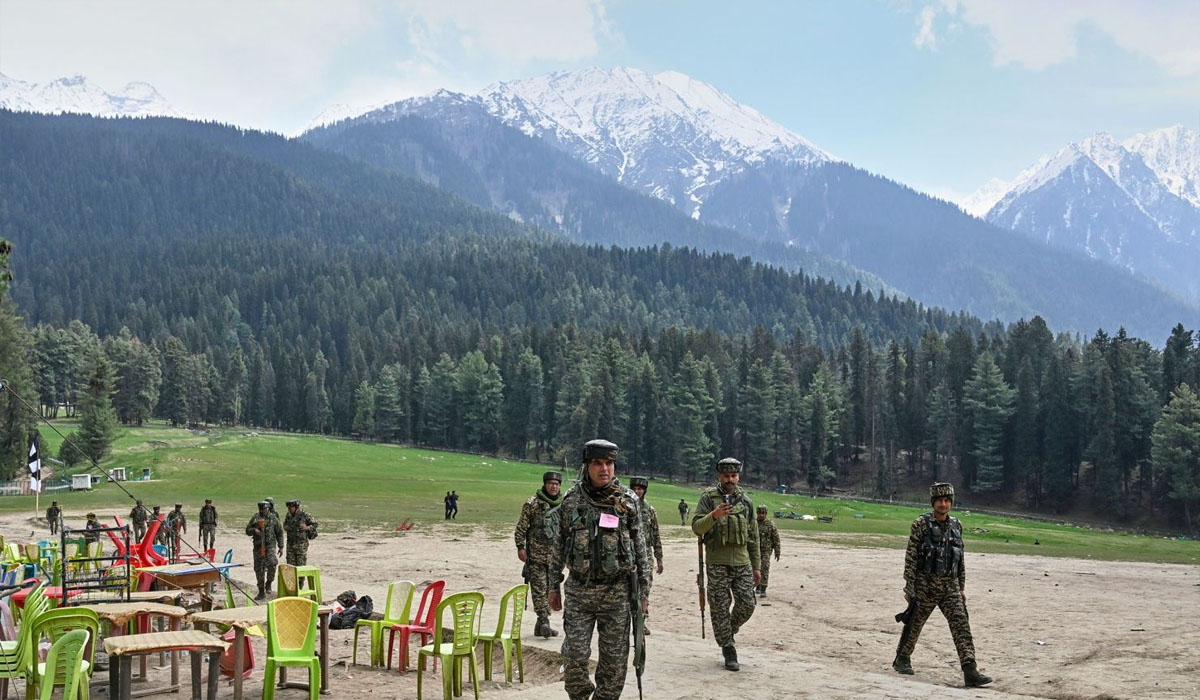
Jammu: A Jammu court has dismissed the National Investigation Agency’s (NIA) application to conduct polygraph or narco-test on two accused arrested in the Pahalgam terror attack case. The court said that the involuntary application of such scientific methods violates the “right against self-incrimination” guaranteed under Article 20(3) of the Constitution of India.
Special Judge Sandeep Gandotra said in his judgment, “This right is given to ensure that any statement is made with credibility and volition. The introduction of new methods in the public interest cannot abridge constitutional rights.”
Bashir Ahmed Jothad and Parvez Ahmed, residents of Pahalgam, were arrested on April 22, 2025. They were accused of providing accommodation, food and other logistical facilities to the terrorists, who were involved in the killing of 26 people.
The NIA, while filing an application in the court, said that there are several inconsistencies in the statements of the accused, which are affecting the investigation. The agency said that the accused have voluntarily consented to the polygraph and narco test, so that they can prove their innocence.
In its reasoning, the NIA also cited the 2010 Supreme Court judgment “Selvi v. State of Karnataka”, in which the court had said that no person can be forced to undergo such tests without consent. However, in case of consent, certain safeguards are mandatory.
The accused’s lawyer Ashwani Kumar opposed the NIA’s application, saying that both the accused belong to the Gujjar/Bakkarwal community, are blind and no written or informed consent was taken from them before any judicial magistrate. He further said that the accused should have been given time to think by giving full information in their language.
On August 29, the accused were produced in the court, where the test procedure was explained to them in Urdu, but both of them refused to give their consent for the test openly in the court.
Subsequently, the court dismissed the NIA’s application, saying that conducting such tests without the consent of the accused would be a violation of constitutional rights.
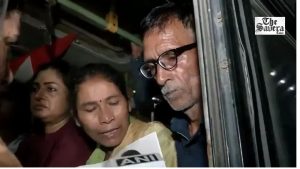
Ankita Bhandari’s parents were detained during an overnight protest near India Gate in Delhi and released around 5...
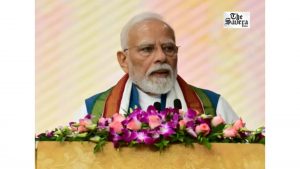
New Delhi: Prime Minister Narendra Modi is scheduled to interact with the Indian contingent that participated in the...
New Delhi: The Central government has defended its decision to suspend mobile internet services in parts of central...
Before we discuss the retail markets, the Indian stock market has been steadily falling since the Reserve Bank...

Singapore: Two Singapore-registered container vessels were reportedly struck by unknown projectiles while transiting the Strait of Hormuz on...

Shimla: The Himachal Pradesh government has constituted a four-member commission to examine the reorganisation of administrative units in...

Aries: The day will be auspicious...