Last Updated: October 18, 2026
Last Updated: October 18, 2026





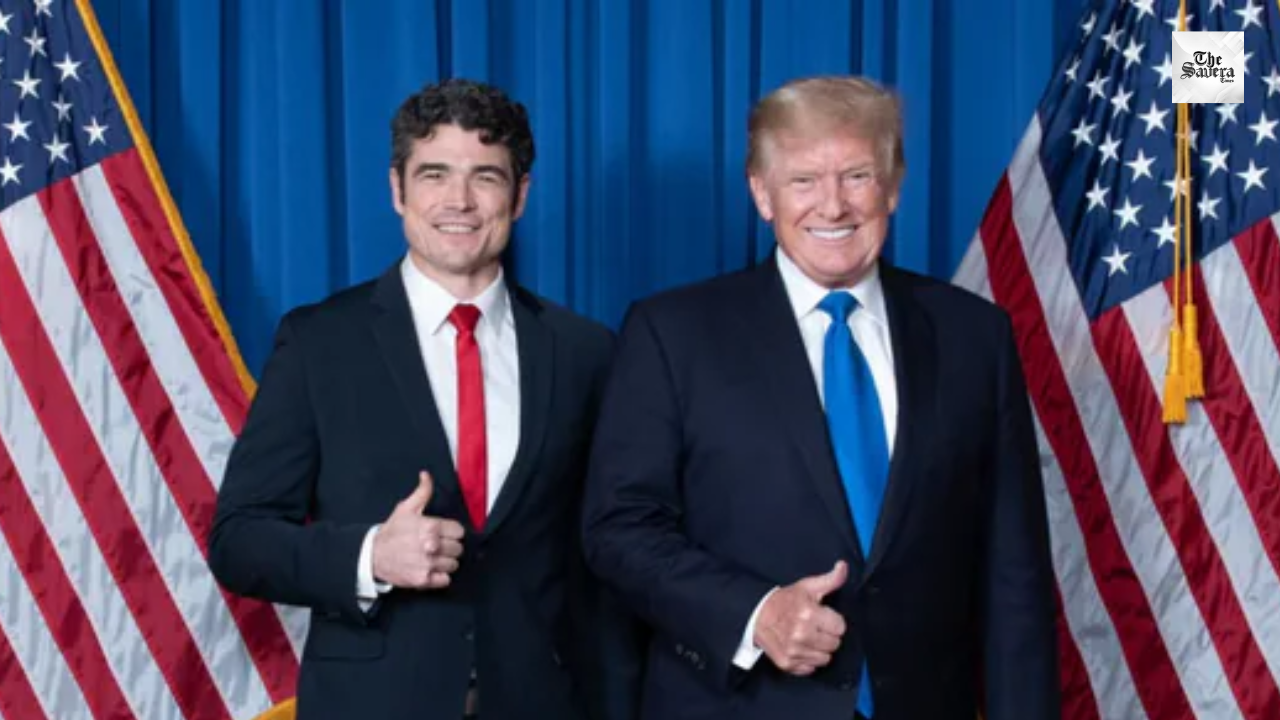
In a major development amid the ongoing US-Iran conflict, Joe Kent, head of the US National Counterterrorism Center (NCTC), has resigned from his post. His decision marks the highest-level protest within the administration of Donald Trump over the controversial war with Iran. The resignation has exposed deep divisions within the US government regarding the justification and conduct of the conflict.
Joe Kent announced his resignation through a public letter, stating that he could not support the ongoing war “in good conscience.” He argued that Iran did not pose an “imminent threat” to the United States, which is generally considered a legal and strategic requirement before launching military action.
Kent further claimed that the war was initiated due to external pressure, particularly from Israel and its lobbying influence in Washington. His remarks have sparked a wider debate about the motivations behind the US military intervention.
In his message, Kent urged President Trump to “reflect” on the decision to engage in the conflict. While he had been a known supporter of Trump, his resignation signals a rare and significant dissent from within the administration itself.
The White House has not issued an immediate response to Kent’s resignation or his allegations, further adding to the uncertainty surrounding the administration’s stance.
Kent’s exit reportedly caught intelligence officials off guard. As the head of the NCTC, he was responsible for coordinating counterterrorism efforts and assessing threats to US national security. His resignation raises concerns about internal disagreements within key security agencies.
Notably, Tulsi Gabbard, who oversees intelligence operations, has remained largely silent on the Iran conflict, maintaining a low public profile since the war began.
The US-Iran war began in late February 2026, escalating tensions in the Middle East. The conflict has involved joint operations and significant military strikes, with the US administration claiming strategic success. However, critics argue that the legal and moral justification for the war remains unclear.
Kent’s resignation is the first major internal protest, highlighting growing unease even among officials aligned with the administration.
The resignation could have far-reaching consequences for US foreign policy and domestic politics. It underscores divisions within the government and may fuel opposition criticism regarding the legitimacy of the war.
Experts believe Kent’s move could encourage further scrutiny of intelligence assessments used to justify the conflict, as well as increased calls for accountability from lawmakers.
Joe Kent’s resignation marks a significant turning point in the US-Iran war narrative. By openly challenging the justification for the conflict, he has brought internal dissent into the public spotlight. As the war continues, his departure may intensify political pressure on the Trump administration to reassess its strategy.
A major fire at Canadian Forces Base Wainwright in Alberta has left several people dead and others injured....
Paris: France witnessed widespread unrest on Saturday as demonstrations over the rising cost of living, deteriorating public services...
Azad M. Madni, an Indian-American engineer and USC professor who grew up in Mumbai, has won the 2026...
Nairobi: Kenya’s Ministry of Health on Saturday confirmed four new cases of Ebola Bundibugyo virus disease, bringing the...

Increasing Houthi attacks on Saudi Arabia are testing Pakistan’s ability to defend Riyadh without affecting its ties with...
Nepal is seeking substantial financial assistance from India ahead of Prime Minister Balendra Shah’s proposed visit to New...
Aries: The day will be auspicious...