Last Updated: October 12, 2026
Last Updated: October 12, 2026





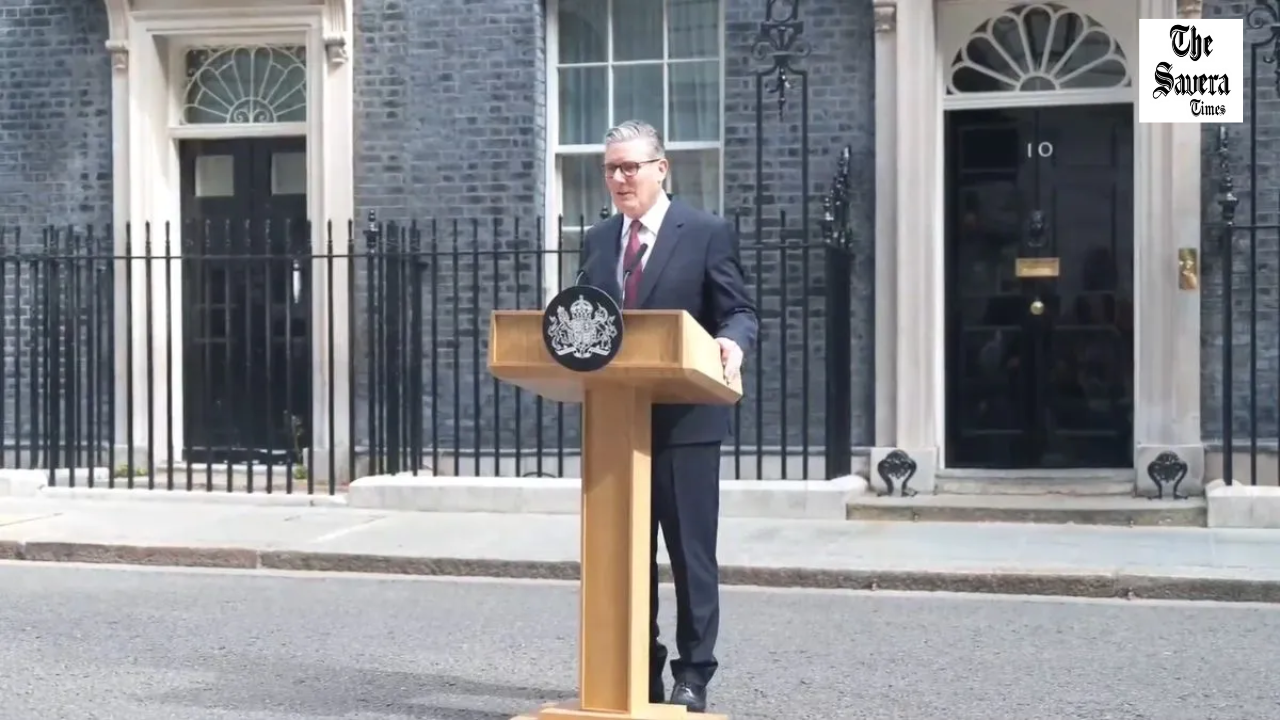
In a dramatic development in British politics, UK Prime Minister Keir Starmer announced his resignation on June 22, 2026, saying he would ensure an orderly transfer of power and remain committed to a smooth leadership transition. The announcement comes less than two years after Starmer led the Labour Party to a historic landslide victory in the 2024 general election, ending 14 years of Conservative rule.
Starmer acknowledged that a growing number of Labour lawmakers no longer believed he was the right person to lead the party into the next general election. In his resignation statement, he said he had heard the message from his parliamentary party and accepted it “with good grace,” signaling the end of an increasingly turbulent period for his government.
The resignation follows months of internal unrest within the Labour Party. Pressure intensified after a series of disappointing electoral performances and falling approval ratings. More than 70 Labour MPs had publicly called for Starmer to step aside, while several ministerial aides and senior party figures resigned in recent months, citing concerns over the government’s direction.
A key turning point came when Andy Burnham secured a decisive parliamentary victory in the Makerfield by-election, strengthening his position as the leading challenger to Starmer. Burnham’s return to Westminster fueled demands within Labour for a change in leadership and accelerated speculation about Starmer’s future.
Reports suggest that Starmer initially intended to fight any leadership challenge. Just days earlier, he had publicly insisted he would not walk away and would contest any attempt to remove him. However, mounting pressure from party colleagues eventually persuaded him to step aside.
Labour’s National Executive Committee is expected to open nominations for a new leader on July 9. According to political observers, Andy Burnham is currently the frontrunner to succeed Starmer, although other senior Labour figures could also enter the race. The party hopes to complete the leadership process before Parliament reconvenes in September.
If Burnham ultimately secures the leadership, Britain will have its seventh prime minister in a decade, underscoring the political volatility that has characterized the post-Brexit era.
Starmer’s resignation has raised fresh concerns about political stability and economic policy in the United Kingdom. Financial markets reacted cautiously, with the British pound coming under pressure amid uncertainty over the future direction of the government. Analysts warn that a prolonged leadership contest could create additional uncertainty at a time when Britain is grappling with sluggish economic growth and high public debt.
Despite stepping down, Starmer has pledged to remain in office until his successor is chosen, ensuring continuity in government operations. His departure marks a significant chapter in modern British politics and opens the door to a new battle for the leadership of the Labour Party and the future direction of the United Kingdom.
A Sudanese rights group says at least 72 gold miners were killed in an air strike near the...

US President Donald Trump is scheduled to attend the ASEAN summit in Manila on November 16 before travelling...
An Indian national injured in the October 10 attack on Riyadh’s King Khalid International Airport has died, taking...

Ukrainian President Volodymyr Zelenskyy says he was unaware of Donald Trump’s announcement of an immediate energy ceasefire between...

INDIA bloc leaders plan to march towards the Supreme Court over alleged electoral irregularities and the SIR exercise....
Colombian businessman Alvaro Pulido Vargas has been arrested in Florida over two US federal cases involving alleged bribery...
Aries: The day will be auspicious...