Last Updated: October 12, 2026
Last Updated: October 12, 2026





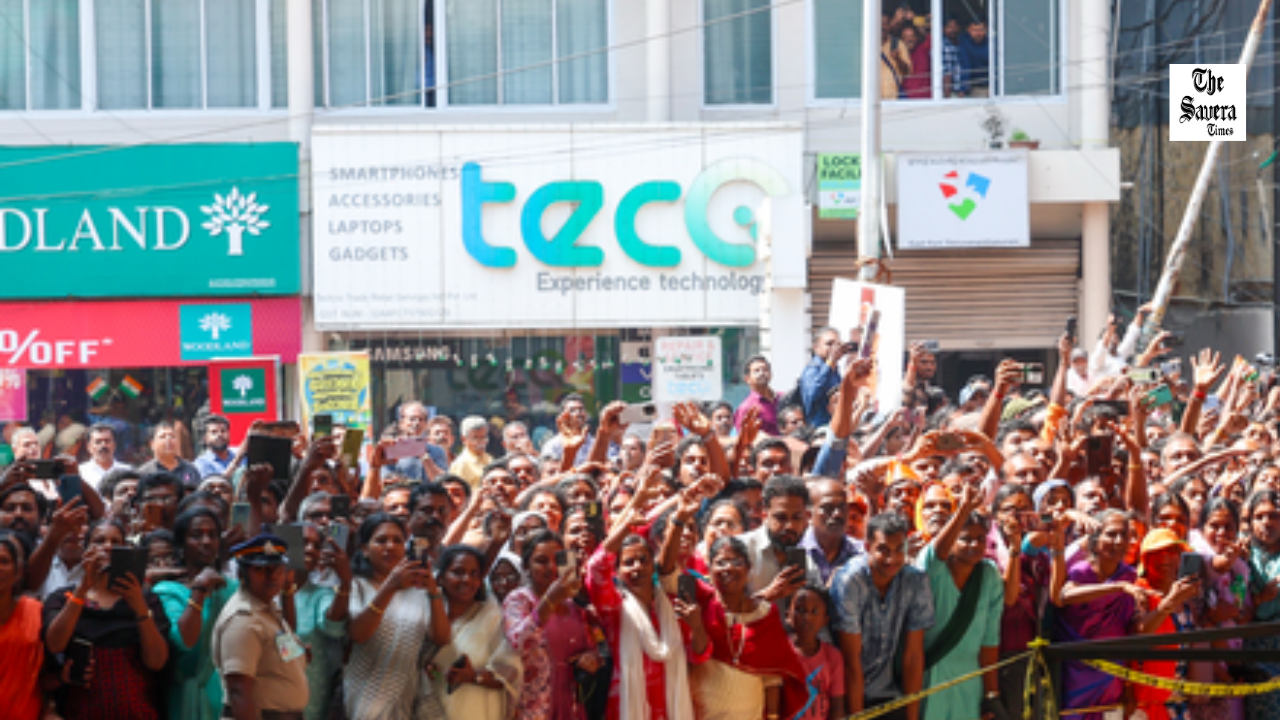
THIRUVANANTHAPURAM, INDIA — As Kerala gears up for the 2026 Assembly elections, the ruling Left Democratic Front (LDF), led by the Communist Party of India (Marxist), is seeking a record third consecutive term in power, a feat no alliance has achieved before. However, a combination of anti‑incumbency sentiment, a revitalised United Democratic Front (UDF) and a rising Bharatiya Janata Party (BJP) have transformed the political landscape into a highly competitive three‑way contest. Recent local body election outcomes and political developments suggest that the once‑dominant LDF may face a tougher battle than expected.
The LDF government, under Chief Minister Pinarayi Vijayan, has been in power in Kerala since 2016 and is aiming for an unprecedented third straight term. Party leaders remain confident about their prospects, pointing to achievements in social welfare and development policies over the past decade. But the mood on the ground appears more uncertain, with some voters expressing fatigue after years of continuous rule.
The United Democratic Front (UDF), led by the Congress Party, has capitalised on growing anti‑incumbency, making significant gains in the 2025 local body elections that are seen as a bellwether for the assembly polls. The UDF registered a strong performance across municipalities and panchayats, consolidating its position especially in urban and semi‑urban centers. Political analysts say this resurgence boosts the UDF’s morale and strengthens its claim as the principal challenger to the LDF’s dominance.
Traditionally weak in Kerala, the BJP has been making notable inroads, energising its cadre and improving vote share in multiple local bodies. The party’s historic win in the Thiruvananthapuram Corporation, where it ended decades of Left control, signalled a shift in voter dynamics and offered the BJP a stronger platform ahead of the state polls. While the BJP is not yet positioned to form a government on its own, its growing presence could play a kingmaker role or split votes in key constituencies, complicating the electoral arithmetic for both the LDF and UDF.
Political analysts note that anti‑incumbency, especially among urban voters dissatisfied with local governance and civic infrastructure, has dented the LDF’s traditional appeal. Issues such as unemployment, youth disenchantment and rising living costs have been cited as factors diminishing the ruling alliance’s support base. Combined with the momentum of opposition allies, this shapes a highly competitive electoral environment where voter preferences may swing unpredictably.
With weeks to go before the 2026 elections, all three alliances LDF, UDF and the BJP‑led National Democratic Alliance (NDA) are intensifying campaigns. Senior party leaders are crisscrossing the state, addressing rallies and highlighting governance records and future promises. Voter sentiment, demonstrated in recent civic polls, suggests that Kerala’s political landscape is far from settled, and the results could hinge on alliances, strategic campaigning and grassroots mobilization in the final weeks.
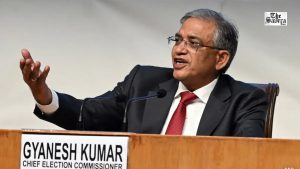
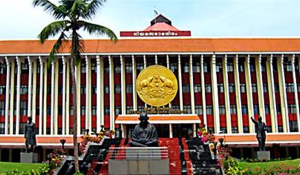
The Kerala Assembly passed a resolution demanding the removal of Chief Election Commissioner (CEC) Gyanesh Kumar from his...
Amidst heavy security and barricades by the Delhi Police, INDIA Bloc leaders began a protest march towards the...
The Reserve Bank of India (RBI)'s new measures to curb speculation in the rupee and maintain stability in...

Gold exchange-traded funds (ETFs) witnessed a sharp rise in investor interest in September, with net inflows surging 71.4...

Rahul Gandhi accused the Modi government of protecting Chief Election Commissioner Gyanesh Kumar, criticised security restrictions in Delhi...
Chief Justice Surya Kant said every citizen can approach the Supreme Court through a petition after declining a...
Aries: The day will be auspicious...