Last Updated: October 3, 2026
Last Updated: October 3, 2026





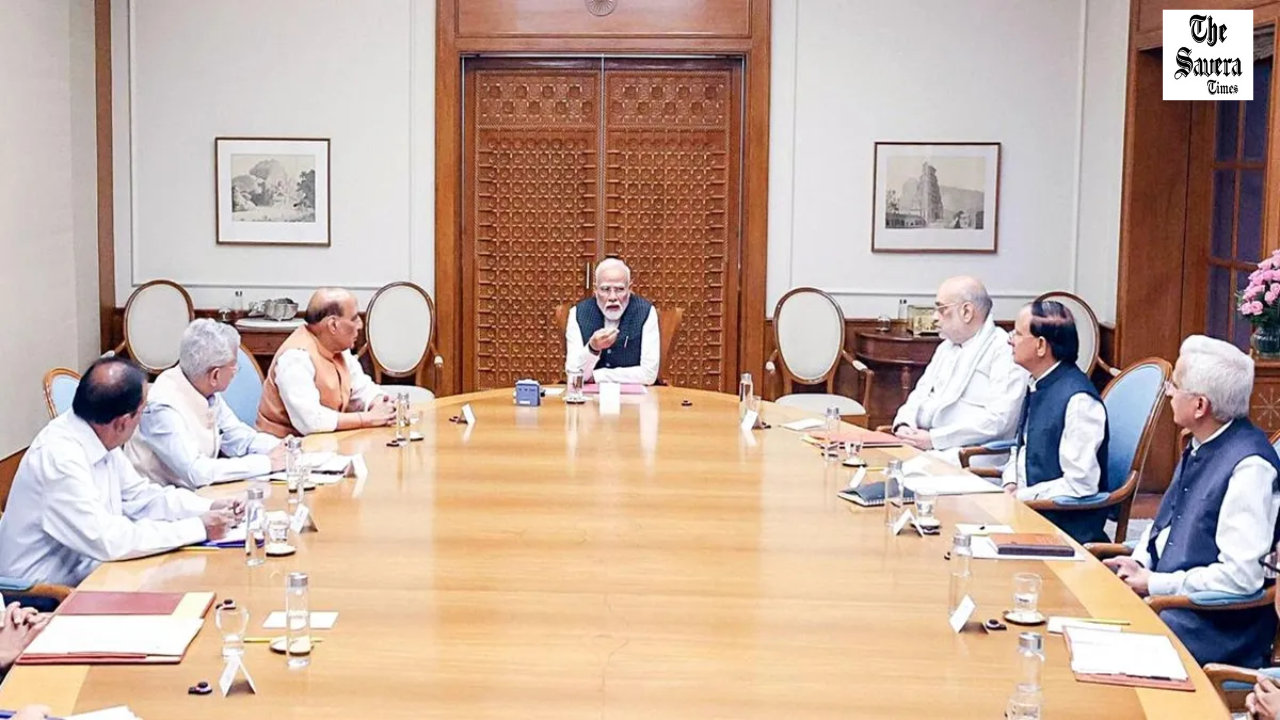
The Union Cabinet on Tuesday, February 24, 2026, approved the Kerala state government’s proposal to change the name of the state from “Kerala” to “Keralam”, according to government sources. The move marks a significant development in the state’s long-pending demand to align its official name with its Malayalam linguistic identity. The decision follows a unanimous resolution passed by the Pinarayi Vijayan-led government in the Kerala Legislative Assembly and comes just months ahead of the state’s Assembly elections.
The Cabinet meeting, convened at the newly inaugurated Seva Tirtha office of the Narendra Modi-headed government, gave its nod to the proposal. While the name change still needs to pass through Parliament under Article 3 of the Constitution, this approval clears a crucial procedural hurdle.
The demand to rename Kerala as Keralam has cultural, linguistic and historical underpinnings. Supporters argue that “Keralam” is the original Malayalam name of the region, commonly used by native Malayalam speakers for centuries, while “Kerala” emerged as an anglicised version during colonial administrative usage.
In June 2024, the Kerala Assembly unanimously passed a resolution urging the Centre to amend the First Schedule of the Constitution to replace “Kerala” with “Keralam” in all official languages recognised under the Eighth Schedule of the Constitution. A similar resolution had been passed earlier in 2023 but was returned to the state by the Union Home Ministry for technical revisions before finally being re-adopted.
Chief Minister Pinarayi Vijayan emphasised that the renaming is intended to reflect linguistic identity and cultural history, pointing out that the state’s territorial identity was articulated as “Keralam” long before colonial records formalised “Kerala”.
The timing of the Union Cabinet’s approval just months before the Kerala Assembly elections due by May 2026 is seen as politically significant. While the decision enjoys broad support within the state’s ruling Left Democratic Front (LDF), it has also attracted backing from opposition leaders. In a notable show of cross-party support, Kerala BJP president Rajeev Chandrasekhar commended Chief Minister Pinarayi Vijayan for advancing the proposal and wrote to him expressing support for restoring the state’s traditional name.
While the name change is largely symbolic and would not affect administrative boundaries or governance functions, it carries cultural resonance and may shape public discourse in the run-up to the polls.
Changing the name of a state involves a constitutional amendment under Article 3, which empowers Parliament to amend the First Schedule of the Constitution upon receiving a request from the state legislature and Union Cabinet approval. The Kerala Assembly’s resolution to rename the state has now been endorsed at the Cabinet level, opening the way for a bill to be introduced in Parliament for final approval.
If Parliament clears the bill, “Keralam” will become the state’s official name in the First Schedule and across all official languages recognized in the Eighth Schedule, including Hindi, English and several regional languages. Government records, legislative documents, official signage and legal references will be updated accordingly.
Officials noted that while the change aligns constitutional terminology with local linguistic preferences, it does not imply any alteration to administrative structures, development programmers or state governance mechanisms.
The announcement has sparked varied reactions. Many residents and cultural historians welcomed the decision as an affirmation of identity and heritage. Language scholars have long maintained that Keralam better reflects the phonetic and historical roots of the state’s name in Malayalam.
Conversely, some critics argue that the move is largely symbolic and that energies might be better directed toward development issues. Social media conversations underscore how users are debating the practical implications, including what the demonym (e.g., “Keralamite” or “Keralamian”) might become in English usage. Congress leader Shashi Tharoor even joked about potential English derivatives of the new name, highlighting both interest and humour in public discourse.
With the Union Cabinet’s approval now in place, the proposal is set to be introduced as a constitutional amendment bill in Parliament. Lawmakers will debate the measure, after which it must be passed by both Houses and receive the President’s assent before “Keralam” becomes the officially recognized name of the state.
Observers see this as part of a broader trend where Indian states and cities have adjusted official names to reflect indigenous pronunciations and identities reminiscent of how Orissa became Odisha and Bombay became Mumbai.
New Delhi: Prime Minister Narendra Modi on Saturday extended birthday greetings to Union Culture and Tourism Minister, Gajendra...
Mumbai: Bollywood actress Kriti Sanon and her younger sister Nupur Sanon shared a glimpse of their functioning side...

Washington: The United States has listed 50 countries whose nationals are subject to visa bonds of up to...
Washington: US President Donald Trump ruled out a ban on American diesel exports after European countries agreed to...
Swachh Bharat Mission (SBM), launched in 2014, has evolved into a broader movement for cleanliness, waste management, and...

Catch the top India and world news in The Savera Times Evening Wrap, featuring the latest developments, major...