Last Updated: October 12, 2026
Last Updated: October 12, 2026





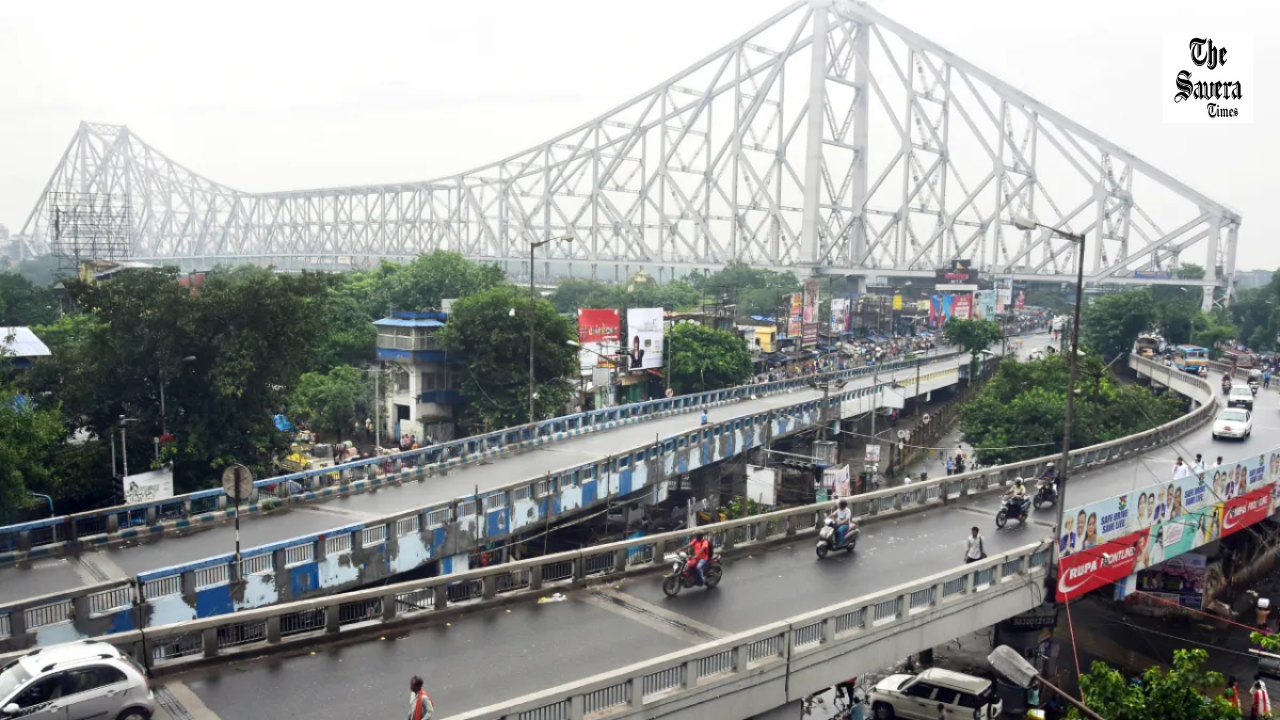
Strong tremors rattled Kolkata and parts of West Bengal on Friday, 27 February 2026, as an earthquake of magnitude 5.4 struck in neighboring Bangladesh earlier in the day. The European-Mediterranean Seismological Centre (EMSC) reported the quake’s magnitude and confirmed that the seismic waves were felt across eastern India, especially in Kolkata, prompting residents to rush out of buildings in alarm.
The earthquake’s epicenter was traced to Bangladesh, not far from the India-Bangladesh border, and was reported to have occurred at a depth that allowed tremors to propagate across a broad region including West Bengal. No immediate reports have yet emerged of significant damage or casualties in Kolkata or adjacent districts.
People in major city centers such as Kolkata felt the ground shake for several seconds, with many office workers and residents stepping out of buildings as a precaution. The tremors, though brief, were strong enough to be felt in multiple neighborhoods, causing some initial concern especially among those unfamiliar with seismic activity.
Social media platforms saw a surge of posts from eyewitnesses describing the sensation of shaking floors, swaying furniture, and startled reactions from civilians. Emergency helplines in Kolkata reported an influx of calls from residents seeking information and reassurance.
While there were no official reports of major structural damage or injuries in Indian territory immediately after the quake, authorities urged residents to stay vigilant and follow safety protocols in case of any aftershocks.
The region around Bangladesh and eastern India is known for frequent seismic activity due to the complex interactions between the Indian Plate and Eurasian Plate. Earthquakes of moderate magnitudes are not uncommon, though they rarely cause widespread destruction.
In the past few weeks, several tremors and moderate quakes have been recorded in neighboring regions including Myanmar and Sikkim, with some perceptible shaking felt across Bangladesh and eastern Indian states.
Experts note that while such seismic events can trigger temporary public anxiety, they provide valuable data that help geological institutions strengthen monitoring networks and improve early warning mechanisms.
Although the quake’s epicenter was in Bangladesh, early indications from seismic monitoring and regional media suggest that there has been no immediate report of major loss of life or significant property damage in the Bangladeshi cities closest to the epicenter. Efforts are ongoing to assess conditions on the ground.
Local authorities in Bangladesh routinely monitor seismic tremors given the country’s vulnerability to tremors and flooding effects. Coordination between Bangladesh and Indian seismological agencies helps ensure rapid response and information sharing when cross-border seismic activity occurs.
In Kolkata, officials reminded citizens of basic earthquake safety protocols, such as “drop, cover, and hold on,” staying away from glass windows, and assembling at safe open spots if further tremors occur. Public safety announcements were broadcast on radio and news channels to reassure the public and reduce panic.
Seismologists also highlighted the importance of building resilience in urban infrastructure, given that even moderate earthquakes can pose risks in densely populated metropolitan areas. Long-term strategies include strengthening construction codes and improving community preparedness.
Chief Justice Surya Kant said every citizen can approach the Supreme Court through a petition after declining a...

A major fire broke out at a scrap warehouse opposite the Maruti Temple in Sangameshwar, Maharashtra, around midnight....
A 48-year-old man, Pawan Sharma, died after an alleged altercation over a senior citizen seat at Delhi’s Supreme...
Shiv Sena (UBT), in its mouthpiece Saamana, has criticised the Centre over security measures and detentions during anti-government...
Former BJP MLA Attar Singh Bhedana died at Jaipur’s SMS Hospital after a violent clash at a crusher...

An eyewitness has recounted the fatal Mini Cooper crash in Nedumbassery, Kochi, claiming the driver said his father...

Aries: The day will be auspicious...