Last Updated: October 21, 2026
Last Updated: October 21, 2026





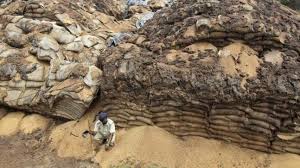
The 2026-27 Rabi crop procurement season is about to begin in the country. This season will begin with the purchase of wheat on April 1, 2026. Despite the promotion of crop diversification in the country, farmers still have only two crops in their crop cycle: wheat and paddy. The Rabi procurement season begins with wheat procurement, which is why farmers’ livelihood begins with the sale of wheat. Paddy is grown and sold during the Kharif season.
The government and agricultural experts have been strongly pushing to break this crop cycle. A significant emphasis has been placed on the cultivation of cotton and pulses. However, this crop diversification has not yet been successful. There are many reasons for this, but the most significant is that the warehouses in the mandis are insufficient to store even the staple grains—wheat and paddy.
If other crops are left lying in the open in the mandis, exposed to erratic weather, their quality will deteriorate, leaving farmers with little to no savings. Therefore, even after a century and a half, the problem of storing farmers’ grain in the mandis remains unresolved. Currently, in Punjab alone, 48.49 lakh metric tons of wheat and 172 lakh metric tons of paddy are stored in warehouses. Now, the Chief Secretary of Punjab and other officials are meeting with central officials to ensure that the wheat harvest procurement season has arrived, and the storage problem must be resolved within the remaining one and a half months.
Local administrations have repeatedly requested the central government to lift grain from warehouses in their respective areas, and continue to do so. However, there appears to be no new, prompt policy on their part. Now, if at least 3 million metric tons of wheat isn’t lifted in Punjab by April 15, 2026, where will there be space for the new crop? Rice millers are demanding that they be allowed to participate directly in the paddy procurement process.
To achieve this, the procurement price should be reduced from the current Rs. 2,320 per quintal to Rs. 2,150. However, this demand is unlikely to be met, so it seems likely that the same problem will arise again during paddy procurement. Storage in warehouses will become a problem, and farmers will be unable to benefit. If this problem is resolved, farmers will once again begin to experience the first signs of a second agricultural revolution.
We are very proud that at present India is the number one country in the world by surpassing...

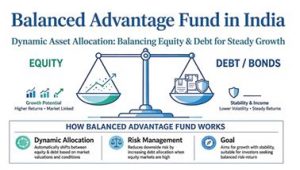
Every investor wants the wealth-creating power of equity and the reassuring stability of debt. Balanced Advantage Funds attempt...
Tourism is a major source of government revenue in our country. There are different types of tourism. Scenic...

Good Evening Viewers! Catch up on the day's biggest stories with The Savera Times Evening Bulletin. Get the...

Congress leaders continued their protest outside the Jaipur Police Commissionerate on Tuesday, demanding the registration of a zero...

On the auspicious occasion of Vijayadashami, Prime Minister Narendra Modi on Tuesday called on the countrymen to unite...

Aries: The day will be auspicious...